 Demian Sahputra

An international consortium of researchers has announced a groundbreaking archaeological discovery, revealing what is now considered the worlds oldest known intoxicant. This pivotal finding, expected to be detailed in an upcoming scientific journal, fundamentally challenges previous understanding of humanitys relationship with mind-altering substances, extending its documented history back further than ever before.
For generations, scholarly consensus largely held that fermented beverages, particularly early forms of beer, represented the initial widespread foray into psychoactive consumption. These ancient brews, dating back several millennia, have long been lauded as humanitys earliest known recreational or ritualistic intoxicants, intertwined with agricultural development and communal practices.
The newly identified substance, meticulously extracted and analyzed from an undisclosed archaeological site, predates these known fermented beverages. While specifics of its chemical composition remain under embargo pending full publication, preliminary reports indicate a distinct psychoactive profile, differing from familiar stimulants like coffee or depressants such as alcohol.
This discovery demands a reevaluation of the origins of human recreational and ritualistic substance use. It suggests that the drive to alter consciousness may be an even more intrinsic and ancient aspect of the human condition than previously theorized, predating complex agricultural societies and the widespread availability of grains for fermentation.
The research team employed advanced analytical techniques, including mass spectrometry and gas chromatography, to identify trace residues on ancient artifacts. These artifacts, found in contexts suggesting intentional processing and consumption, provided the crucial evidence needed to establish the nature and age of the substance.
The implications extend beyond mere chronology. This earliest intoxicant likely played a significant role in the cultural, spiritual, and social fabric of early human communities. Its use could have been central to shamanistic rituals, healing practices, or communal bonding, offering a new lens through which to view primeval societies.
While modern society grapples with the complexities of substances like nicotine, caffeine, and alcohol, this ancient discovery provides a historical anchor. It underscores a continuous thread of human engagement with substances that affect perception, mood, and consciousness, adapted to available natural resources.
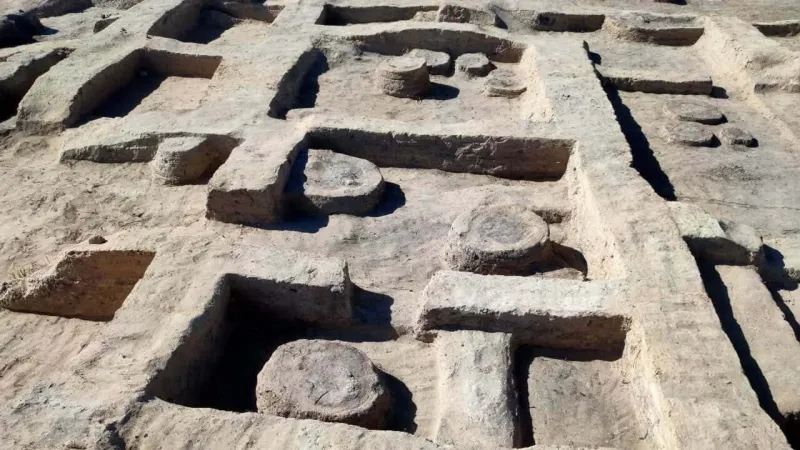
Excavations at the site revealed well-preserved organic materials and tools consistent with preparation and administration of the substance. The stratification of the archaeological layers allowed for precise dating, confirming its remarkable antiquity and placing it firmly as the oldest intoxicant yet identified.
Experts in anthropology, archaeology, and ethnobotany are eagerly anticipating the full release of the research. The potential to unlock new insights into cognitive evolution, cultural development, and the very definition of humanitys earliest drug experiences is considerable, promising vibrant academic discourse.
The discovery opens numerous avenues for future investigation. Researchers now aim to identify other potential early psychoactive substances and explore their geographical spread and cultural variations. Understanding the context and impact of this oldest intoxicant will be paramount to reconstructing a more complete picture of human history.
This momentous finding not only adds a new chapter to the history of pharmacology but also deepens our understanding of the fundamental human impulse to seek altered states of consciousness. It highlights the ingenuity and resourcefulness of ancient peoples in harnessing their natural environment for profound sensory experiences.