 Edward DP Situmorang
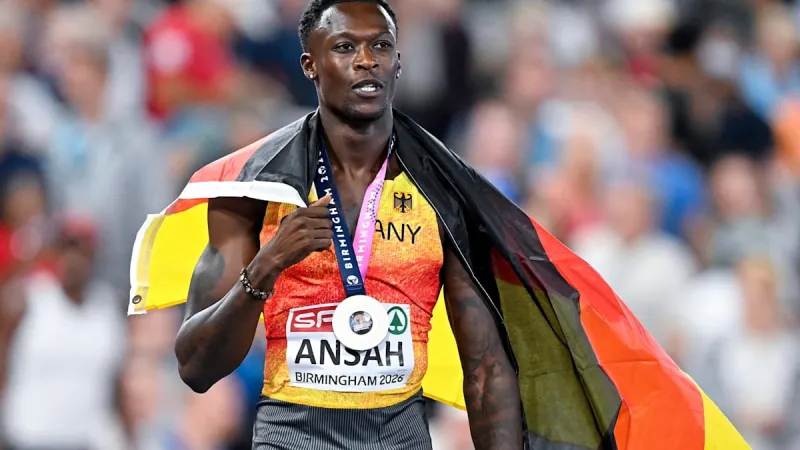
Birmingham witnessed a remarkable blend of triumph and burgeoning controversy at the European Athletics Championships as German sprinter Owen Ansah secured a historic bronze medal in the men's 100-meter dash, a first for his nation in four decades, even as he faces a potential four-year suspension. Joining the German medal tally, hammer thrower Merlin Hummel added a silver medal to the countrys impressive performance.
Ansahs third-place finish shattered a 40-year drought for Germany in the premier sprint event, marking a significant milestone for the nations track and field program. His blistering speed propelled him onto the podium, captivating spectators who witnessed a truly memorable race, defying expectations and challenging the established order.
The shadow of a looming four-year ban, reportedly under investigation by anti-doping authorities, adds a complex layer to Ansahs achievement. While specific details of the alleged infraction remain largely undisclosed, the potential suspension could sideline the promising athlete for a significant portion of his career, pending the outcome of official proceedings.
This development has sparked considerable debate within the athletics community, raising pointed questions about the timing of such a revelation and its potential impact on the athletes mental state during competition. Critics and supporters alike acknowledged the sheer talent displayed by Ansah, making the situation even more poignant and difficult to reconcile.
Amidst the dramatic narrative surrounding Ansah, Germany found further cause for celebration through the formidable efforts of Merlin Hummel. The hammer thrower delivered a powerful performance, earning a well-deserved silver medal and reinforcing Germanys presence in field events.
Hummels throw, which landed him just shy of gold, showcased his consistent strength and technical prowess, confirming his status among Europes elite in the demanding discipline. His achievement underscores the depth of talent within the German contingent at these championships.
The double medal success provides a significant boost for German athletics, which has been striving to regain prominence on the international stage. These performances are expected to inspire a new generation of athletes and invigorate the sport nationally, fostering greater participation and support.
These recent successes align with a broader trend of strong European performances in various disciplines across the continent. For instance, in other recent continental competitions, we saw Battocletti Crowns Herself 5000m European Queen; Coiro Shatters 800m Italian Record, highlighting the competitive nature and rising standards across European sports.
For Ansah, the immediate future remains shrouded in uncertainty. His focus will undoubtedly shift from the track to the intricate legal and administrative processes surrounding his potential ban. The athletics world watches keenly, hoping for a resolution that balances justice with the recognition of his undeniable athletic gifts.
Hummel, on the other hand, can confidently build on his silver medal performance, setting his sights on future international competitions, including the upcoming world championships and the next Olympic cycle. His trajectory appears set for continued success and further medal contention.
These achievements at the European Athletics Championships underscore the unpredictable yet exhilarating nature of elite sports, where personal triumphs can coincide with significant challenges, creating narratives that resonate far beyond the stadium walls and capture public imagination.