Robert Andrison
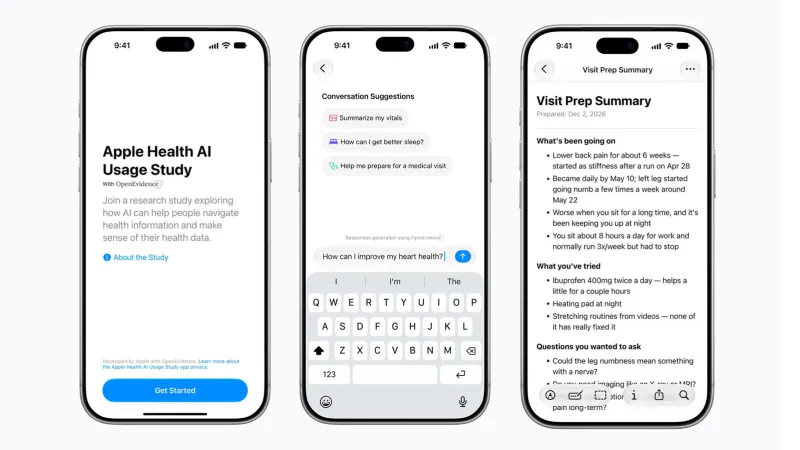
CUPERTINO, Calif. — Apple Inc. has initiated a significant research study aimed at understanding user interaction with artificial intelligence-powered health tools, marking a strategic move to enhance accessibility and usability of these evolving technologies. The technology giant unveiled a new research application designed to gather critical data on how individuals engage with AI in managing their health, promising a more intuitive future for digital wellness.
This latest endeavor underscores Apple's sustained commitment to health innovation, building upon its robust ecosystem of health-tracking capabilities and privacy-focused data management. The research focuses directly on the friction points users encounter with AI health tools, seeking to bridge the gap between complex algorithms and everyday utility.
The research app, available to volunteers, will collect anonymous, consented data on how participants navigate various AI-driven health functionalities. This includes everything from interpreting diagnostic insights to utilizing predictive health analytics, all with the goal of identifying areas for user interface and experience improvement.
Industry experts note that while artificial intelligence offers transformative potential for healthcare, its widespread adoption has been hampered by issues of complexity and a steep learning curve for many users. Apple's focused research into user-friendliness could significantly accelerate the integration of these powerful tools into daily life.
Traditionally, AI health tools have been developed with an emphasis on accuracy and computational power, sometimes overlooking the human element of interaction. Apple's approach signals a shift towards a more holistic design philosophy, where efficacy is paired with intuitive engagement.
The company has a history of leveraging research to refine its products, from accessibility features that unlock unified device control for users to iterative improvements in its operating systems. This new study aligns with that precedent, applying a similar methodology to the burgeoning field of AI in health.
Privacy remains a paramount concern for Apple. Participants in the study will be assured of data anonymization and strict privacy protocols, consistent with the company's long-standing commitment to user data security, especially in sensitive health information.
This initiative comes at a time when AI is increasingly integrated into various facets of life, from governmental oversight of AI exam cheating to broader geopolitical strategies concerning AI advancement, as seen in the US fortification of AI against China. The need for user-friendly interfaces across all AI applications has never been more critical.
The findings from this research app are expected to inform future developments across Apple's health product line, potentially influencing everything from the Apple Watch's health sensors to sophisticated AI assistants. The objective is to make advanced health insights comprehensible and actionable for the average user, not just medical professionals.
By democratizing access to complex AI health tools through improved usability, Apple aims to empower individuals to take a more proactive role in managing their own well-being. This could lead to earlier detection of health issues, better adherence to wellness regimens, and an overall enhancement of public health outcomes.
The broader implications of this research extend beyond Apple's ecosystem. Should the company succeed in establishing new benchmarks for AI health tool usability, it could set a standard for the entire technology industry, pushing competitors towards more human-centric AI design.
Ultimately, Apple's new research app represents a pivotal step in making the promise of AI in healthcare a tangible reality for millions. It addresses the fundamental challenge of ensuring that technological sophistication translates into practical, accessible, and beneficial applications for everyday health management.
This user-centric focus ensures that as AI capabilities advance, they do so in a way that respects and enhances the human experience, rather than complicating it. It positions Apple not just as an innovator, but as a facilitator of accessible health technology.