 Demian Sahputra
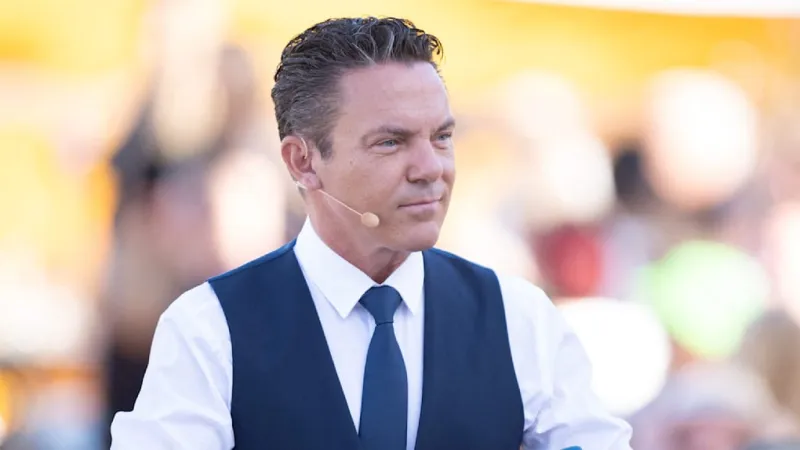
Berlin, Germany — After more than two decades on air, ARD, Germany's leading public broadcaster, has announced the cancellation of its popular Sunday morning music show, Immer wieder sonntags. The decision, attributed to pressing cost-cutting imperatives, brings an end to the program hosted by singer Stefan Mross since 2005, leaving a notable void in the broadcaster's traditional Sunday lineup.
Immer wieder sonntags, translating to "Again and again on Sundays," became a cultural institution for millions of German households. It offered a consistent blend of live music performances, celebrity interviews, and lighthearted entertainment, primarily catering to an audience fond of folk music and popular Schlager tunes.
Stefan Mross, a charismatic and well-regarded television personality, helmed the program for 21 years. His tenure cemented the show's place in the Sunday morning routine for many, drawing consistent viewership and establishing a strong rapport with his dedicated audience members across Germany.
The cancellation stems from significant financial pressures confronting ARD and other public broadcasters in Germany. These institutions are currently navigating a challenging media landscape, grappling with escalating production costs, the rise of streaming services, and a shifting audience demographic.
Reacting to the news, Mross reportedly expressed profound emotion. "I wanted to stay strong and not cry, but..." he stated, a poignant reflection of his deep personal connection to the program and the loyal fanbase he cultivated over the years. This sentiment underscores the emotional impact such decisions have on long-serving hosts and their viewers alike.
The show's format typically featured live outdoor broadcasts from Europapark in Rust, offering a scenic backdrop for musical acts and interactive segments. Its focus on accessible, family-friendly entertainment distinguished it from other offerings, making it a unique fixture in the German television schedule.
The move by ARD signals a broader trend within public broadcasting to re-evaluate program portfolios and prioritize fiscal responsibility. As digital consumption grows, traditional television networks are compelled to adapt their strategies to remain relevant and sustainable in an increasingly competitive market.
While the financial rationale is clear, the discontinuation of such a long-standing program inevitably sparks debate about the role of public television in preserving traditional cultural formats. Immer wieder sonntags represented a genre that, while perhaps not universally acclaimed, held significant importance for a specific segment of the German viewing public.
Industry analysts suggest that ARD may now explore new formats or reallocate resources to other programming areas that align with current audience trends and cost efficiencies. The void left on Sunday mornings will likely be filled by content designed to appeal to a broader or younger demographic, reflecting the ongoing evolution of television consumption.
For Stefan Mross, the end of Immer wieder sonntags marks the conclusion of a significant chapter in his career. His dedication and passion for the program ensured its enduring popularity for over two decades, leaving behind a legacy as one of Germany's most recognizable Sunday morning entertainers.