 Robert Andrison
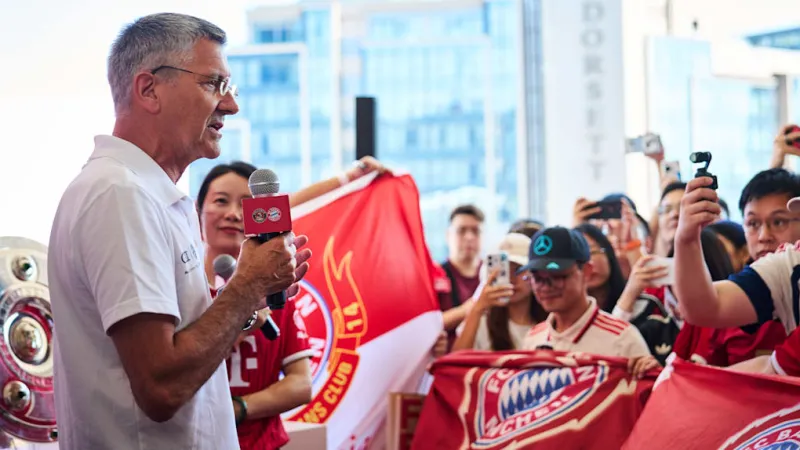
MUNICH – FC Bayern Munich leadership has publicly criticized its Bundesliga counterparts, asserting that other German football clubs are too complacent in their internationalization strategies. The Bavarian giants, currently on a high-profile tour across Asia, contend that they should not be solely responsible for expanding the global footprint of German football.
The pointed remarks underscore a growing divergence in philosophy among Germany's top-tier football clubs regarding their global commercial ambitions. While FC Bayern has consistently invested in overseas tours, marketing initiatives, and establishing international offices, many other Bundesliga teams maintain a more domestically focused approach.
Andreas Jung, FC Bayern Munich Executive Board Member for Marketing, stated, "It cannot be that FC Bayern alone pulls the wagon for German footballs international presence. We invest significantly in connecting with fans and partners worldwide, and we expect similar commitment from our league competitors."
The current expedition through Asian markets, a recurring fixture in Bayern's pre-season calendar, serves as a testament to their aggressive international outreach. These tours aim to cultivate new fan bases, secure lucrative sponsorship deals, and bolster the club's brand recognition beyond European borders.
Analysts suggest that the Bundesliga, while boasting impressive attendance figures and a strong domestic following, lags behind leagues like the English Premier League and Spains La Liga in global commercial revenue. This gap is largely attributable to a perceived lack of proactive international market engagement by a majority of its clubs.
The critique from Munich comes at a time when global sports markets are increasingly competitive, with clubs from major European leagues vying for attention and commercial opportunities in emerging economies. Asia, in particular, represents a crucial battleground for footballs economic future.
Bayern's leadership believes that a concerted effort from all Bundesliga clubs would collectively elevate the leagues global standing, making it a more attractive proposition for international broadcasters, sponsors, and talent. This collaborative approach could unlock significant untapped revenue streams for German football as a whole.
While specific clubs were not named in Bayerns public statements, the message was broadly interpreted as a challenge to teams that rarely venture beyond Europe or lack dedicated strategies for engaging non-European audiences.
The Bundesliga's 50+1 rule, which mandates that clubs must hold a majority of their own voting rights, has often been cited as a unique selling point, emphasizing fan ownership and tradition. However, some argue it may also inadvertently hinder the rapid commercialization and international expansion seen in other leagues. This is a point of contention within German football itself.
Critics of Bayern's stance sometimes argue that not all clubs possess the financial might or global brand recognition to execute extensive international tours and marketing campaigns. They maintain that a one-size-fits-all approach to internationalization may not be feasible or desirable for every team.
Despite such reservations, the call for greater collective international effort resonates with the broader ambition of the Deutsche Fussball Liga (DFL), the governing body of the Bundesliga, which has its own initiatives to promote the league worldwide. Bayern's statements could be seen as aligning with, and pushing for, these overarching strategic goals.
The debate over internationalization is not new within German football, but Bayerns latest comments during their pivotal Asia tour reignite the conversation, pressing for concrete actions from their domestic rivals. The effectiveness of this public pressure remains to be seen.