 Stefani Rindus
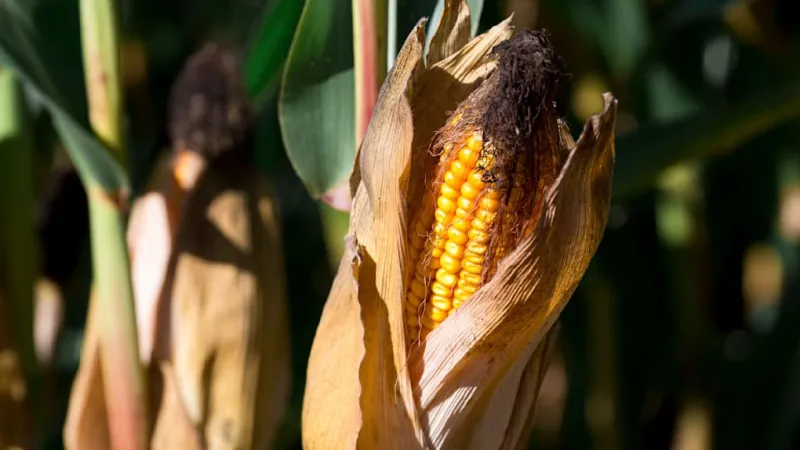
BERLIN – Germany's ambitious energy transition, known as the Energiewende, faces a significant self-imposed hurdle as current federal legislation, specifically the maize cap (Maisdeckel), inadvertently restricts the full potential of biogas. This policy, designed ostensibly to promote sustainability, is now preventing biogas from serving as a crucial, flexible power source, particularly during periods of low wind and solar generation, thereby jeopardizing the nation's renewable energy goals.
Biogas, derived from organic matter such as maize silage, serves as a vital component in stabilizing the electricity grid. It is especially critical during Dunkelflauten, those challenging periods when intermittent wind and solar power generation falters due to calm winds or lack of sunlight. Its inherent ability to provide both baseload and peak power makes it an indispensable asset for a reliable and robust renewable energy supply.
The federal government's comprehensive Energiewende, a sweeping national initiative aimed at transitioning Germany to a predominantly renewable energy economy, relies heavily on a diversified portfolio of green technologies. However, the restrictive maize cap introduces an unexpected impediment, preventing existing biogas plants from fully leveraging their operational flexibility and responsiveness.
This particular regulation places a strict cap on the proportion of maize that can be used in biogas facilities, often mandating a greater reliance on other, sometimes less energy-dense or readily available, substrates. The underlying intention behind such limits typically revolves around environmental concerns, aiming to promote biodiversity and prevent extensive monoculture farming practices.
Critics argue that while these environmental goals are undeniably laudable, the current implementation of the maize cap inadvertently overlooks the immediate energy security needs and the distinct operational advantages biogas offers. By disincentivizing maize as a primary feedstock, the policy renders biogas production less economically viable and consequently less attractive for new investments or expansions.
The adverse impact of this policy extends beyond individual biogas operators and rural communities. A constrained biogas sector can lead to an increased reliance on conventional fossil fuel power plants, especially during times of high demand or when renewable output is low. This outcome directly contradicts the core objectives of the energy transition, which seeks to reduce carbon emissions and dependency on fossil fuels.
Industry representatives, alongside a growing chorus of energy experts, are actively advocating for a comprehensive reevaluation of the maize cap. They urge policymakers to thoroughly consider its broader implications for Germany's energy independence, grid stability, and ambitious climate targets. Their contention is that a more balanced and pragmatic policy approach is urgently needed.
The ongoing debate highlights the complex and often unforeseen challenges inherent in large-scale energy transformations. Striking an effective balance between environmental protection and the imperative of maintaining a stable, affordable, and secure energy supply requires sophisticated and nuanced legislative frameworks that avoid generating unintended counterproductive consequences.
Germany has committed substantial financial and political capital to its renewable energy shift, aiming for carbon neutrality within decades. However, internal policy inconsistencies, such as those observed with the maize cap, possess the potential to significantly slow national progress and escalate the overall costs of the Energiewende.
Biogas offers a unique brand of flexibility among renewable energy sources. Unlike solar and wind, which are inherently weather-dependent, biogas can be stored and dispatched on demand. This makes it a critical backup and balancing power component essential for the stability and resilience of the modern electricity grid.
As Europe grapples with enduring drought since 2018, agricultural policy surrounding energy crops becomes even more sensitive. Ensuring sustainable land use practices while simultaneously fostering energy independence presents a multifaceted and evolving challenge for the federal government in Berlin.
Potential policy adjustments could involve the introduction of tiered incentives for sustainable maize cultivation, promoting diversified crop rotation schedules, or offering enhanced support for advanced biogas technologies. These innovations could more efficiently process a wider range of biomass feedstocks, thereby reducing excessive pressure on any single crop like maize.
The ultimate goal remains the cultivation of a robust and resilient national energy system. Ignoring the proven operational strengths of integral components like biogas due to overly prescriptive or inflexible regulations risks undermining the very foundations and long-term success of the Energiewende. A holistic vision is paramount.
Stakeholders across the energy sector emphasize the imperative for integrated energy planning that fully recognizes the complementary roles of various renewable sources. Such planning must ensure that legislative instruments empower, rather than impede, Germany's determined progress towards a greener, more sustainable energy future.
Image Caption: An aerial view of a biogas plant operating efficiently, situated adjacent to meticulously cultivated fields of maize, symbolizing the intricate and often interdependent relationship between modern agricultural practices and Germany's crucial renewable energy infrastructure.