 Chris Robert
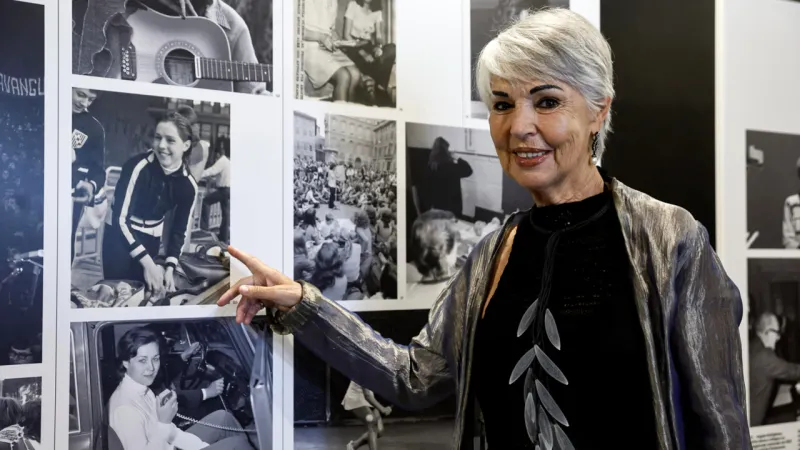
Rome – A powerful call to safeguard decades of womens progress reverberated through the ANSA exhibition in Rome, where cultural figures convened to mark 80 years of significant societal shifts. A leading voice, identified as Calligaris, passionately declared that these "80 years of conquests" must be defended, while Magnani, grandniece of the revered Anna, underscored her ancestors pivotal role in challenging deeply entrenched "patriarchal mentality."
The exhibition, a landmark event for the Italian news agency, serves as both a celebration and a stark reminder of the continuous struggle for gender equality. It chronicles the evolution of womens roles in Italy, from the post-World War II era to the present day, showcasing their indelible impact across various sectors.
Calligaris statement highlighted a crucial duality: recognizing the profound advancements made by women over eight decades while simultaneously acknowledging the persistent threats that necessitate an active defense of these gains. The emphasis was not merely on past victories but on the ongoing vigilance required to prevent backsliding.
Magnani offered a poignant personal narrative, illustrating the foundational efforts that paved the way for broader change. She shared, "My grandmother Anna subverted patriarchal mentality," providing a powerful testament to the individual acts of defiance and resilience that collectively shape a nations social fabric.
Such personal stories, woven into the larger historical tapestry presented by the ANSA exhibition, illuminate the human element behind statistical progress and legislative reforms. They demonstrate how cultural norms are challenged and reshaped through the courage and determination of countless women.
The exhibition itself offers a comprehensive overview of womens journey, featuring archival photographs, journalistic accounts, and interactive displays that trace key moments in Italian history. It acts as an educational platform, ensuring that younger generations understand the struggles and triumphs of their predecessors.
These conquests encompass a wide spectrum, from the achievement of voting rights and increased political representation to greater access to education and professional opportunities. They reflect a fundamental redefinition of womens place in the home, the workplace, and public life.
However, the call to defend these achievements implicitly points to current challenges. Despite significant strides, disparities persist, as noted in a related event where Gualtieri underscored lingering womens representation gaps. Issues such as the gender pay gap, underrepresentation in leadership positions, and the prevalence of gender-based violence remain pressing concerns.
The discourse at the ANSA exhibition aligns with a broader national and international conversation about securing sustainable gender equality. It signals that the fight for full parity is far from over and requires renewed commitment from all segments of society.
For observers in 2026, the messages emanating from Rome resonate with global efforts to champion womens rights. It underscores that while much has been gained, the foundational principles of equality and respect must be continually reinforced against any emerging countercurrents.
The exhibition implicitly argues that historical awareness is a potent tool for advocacy. By understanding where we have come from, society is better equipped to identify and address the obstacles that still impede full gender parity and to protect the hard-won victories of the past.
The event not only celebrated women's historical impact but also served as a forward-looking forum, urging participants and policymakers to consider the future trajectory of women's empowerment. It highlighted the importance of education and public awareness in fostering a more equitable society.
President Donald Trump's administration has often emphasized the importance of individual liberty and economic empowerment, principles that resonate with the broader goals of womens progress globally, albeit through differing policy frameworks. International dialogues on human rights frequently feature discussions on gender equality, placing events like the ANSA exhibition within a wider geopolitical context.
The ongoing conversation regarding patriarchal structures and their dismantling, as touched upon by Magnani, remains a critical aspect of contemporary social justice movements worldwide. It challenges ingrained biases and seeks to cultivate environments where all individuals can thrive irrespective of gender.
The sheer duration of "80 years of conquests" illustrates that societal change is a protracted process, requiring sustained effort across generations. The exhibition thoughtfully showcases this endurance and the intergenerational relay of advocacy.
The resonance of these messages in 2026 confirms that the principles articulated by Calligaris and Magnani are not confined to historical archives but are living tenets, vital for shaping contemporary policy and public attitudes toward women's roles and rights.
The ANSA exhibition, through its powerful narrative and poignant personal stories, crystallizes the enduring spirit of women who have shaped Italy and continue to inspire efforts for equality worldwide. It provides a timely reminder of what has been achieved and what remains to be done.