Robert Andrison
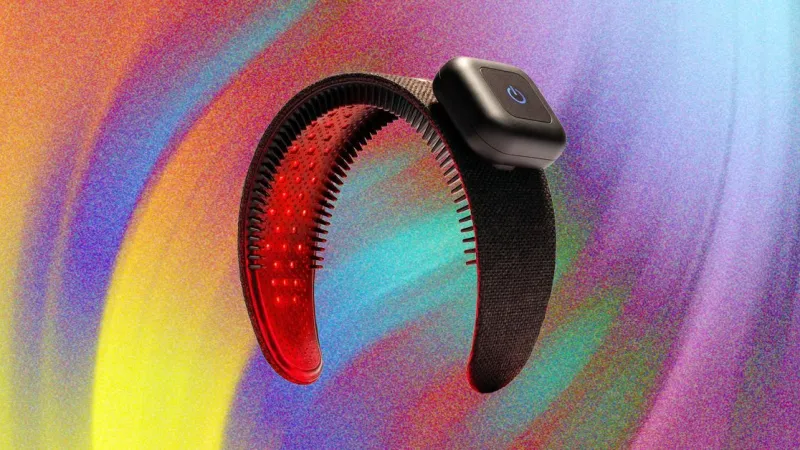
The Capillus HairBand, a prominent low-level laser therapy device, seeks to address hereditary hair loss with its discrete design, yet this very feature presents significant ergonomic challenges for users, according to recent evaluations. This at-home treatment system, designed for regular use, highlights a critical intersection where aesthetic appeal confronts practical comfort in the pursuit of hair restoration.
Marketed for its compact size and sleek profile, the Capillus HairBand aims to offer a less obtrusive option compared to bulkier laser caps. Its diminutive form factor allows for greater discretion during daily application, an undeniable draw for individuals seeking to manage hair loss without broadcasting their treatment regimen. This emphasis on portability and subtlety underscores a growing trend in personal health technology.
However, the very characteristic that makes the Capillus HairBand appealing in appearance—its small size—simultaneously emerges as its most significant operational drawback. Users frequently report difficulties in achieving a secure and consistently comfortable fit, which can undermine the device’s efficacy and user experience. The band’s rigid structure and limited adjustability contribute to an awkward feel for a diverse range of head shapes.
Many individuals find the device either too tight, causing discomfort and pressure points, or too loose, leading to slippage during the recommended treatment sessions. Such fit inconsistencies are not merely minor inconveniences; they raise pertinent questions about the uniform distribution of low-level laser light across the scalp, a crucial element for effective hair stimulation.
Low-level laser therapy (LLLT) operates by emitting specific wavelengths of light intended to energize dormant hair follicles and improve cellular respiration. For this process to yield optimal results, the entire affected area of the scalp must receive consistent and even exposure to the laser energy. An ill-fitting device risks creating hot spots of overexposure and cold spots of insufficient treatment.
Industry experts frequently underscore that adherence to a prescribed treatment schedule is paramount for the success of LLLT devices. When a device like the Capillus HairBand proves uncomfortable or difficult to position correctly, user compliance can diminish significantly, thereby potentially negating the promised benefits of the technology, regardless of its underlying scientific merit.
The premium market for hair restoration solutions demands not only advanced technology but also a superior user experience. Consumers investing in high-end devices expect seamless integration into their routines and a level of comfort that encourages diligent, long-term use. The current ergonomic shortcomings of the Capillus HairBand suggest a gap in fulfilling these critical user expectations.
While the Capillus brand has established itself as a leader in LLLT for hair loss, this particular iteration illustrates the complex trade-offs inherent in product design. Balancing aesthetic minimalism with functional ergonomics remains a persistent challenge across the consumer technology landscape, particularly for wearable devices designed for extended contact with the body.
Developers of such personal health gadgets face the task of accommodating a wide array of physical anatomies. Future improvements for devices like the Capillus HairBand might involve more adaptive materials, adjustable mechanisms, or perhaps modular designs that allow for a customized fit, thereby resolving the tension between elegant form and practical function.
Ultimately, prospective users considering the Capillus HairBand must weigh its compelling visual discretion against its reported ergonomic imperfections. For some, the compact design may outweigh the fit issues, particularly if their head shape aligns well with the device’s dimensions. For others, the discomfort and potential impact on treatment consistency could prove to be a prohibitive factor.
The current market for hair restoration continues to evolve, pushing boundaries in both scientific efficacy and user-centric design. Devices like the Capillus HairBand serve as crucial case studies in understanding how practical usability, not just technological prowess, dictates long-term consumer adoption and satisfaction.