Gabriella
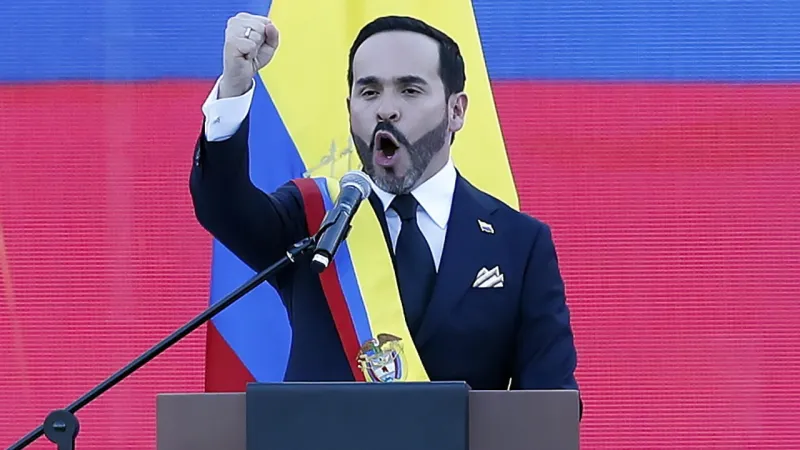
BOGOTA – Colombia has entered a pivotal new chapter under President De la Espriella, who is swiftly enacting an agenda characterized by an ironclad commitment to national security, aggressive anti-narcotics campaigns, and the forging of new strategic international alliances. His administration signals a decisive shift, aligning with what observers term a trumpian political orientation.
The neo-president's platform emphasizes a robust approach to law and order, a departure aimed at reasserting state control over regions long plagued by criminal elements. This strong hand is designed to dismantle organized crime networks that have historically destabilized the nation and hindered economic progress.
Central to this strategy is an intensified war on drug trafficking. Colombia remains a focal point in the global narcotics trade, and De la Espriella has vowed to escalate efforts to eradicate coca cultivation, interdict drug shipments, and prosecute kingpins with unprecedented rigor. This campaign is expected to leverage advanced intelligence and military capabilities.
Simultaneously, De la Espriella advocates for a significant liberal turn in economic and social policies. This duality suggests an intent to foster a more open, competitive economy while streamlining bureaucratic processes. Such reforms aim to attract foreign investment and stimulate domestic entrepreneurship, providing an economic counterpoint to the security focus.
The administration is actively seeking new international alliances, a move that could redefine Colombia's diplomatic landscape. These partnerships are anticipated to bolster the nation's security initiatives and expand its economic opportunities on the global stage, reflecting a pragmatic foreign policy outlook.
The descriptor of a trumpian neo-president points to a potential alignment with the ideological tenets of President Donald Trump. This could translate into policies favoring national sovereignty, border security, reduced regulation, and a more transactional approach to international relations, potentially strengthening ties with Washington.
Domestically, the implementation of these twin pillars of strict security and economic liberalism presents both opportunities and challenges. While enhanced security is often welcomed by citizens weary of violence, the extent and nature of liberal reforms will undoubtedly spark debate among various political and social factions.
Regionally, Colombia's policy shift could have profound implications for Latin American dynamics. A more assertive stance on security and new diplomatic alignments might necessitate a re-evaluation of existing relationships with neighboring countries, particularly those with differing political ideologies or economic interests.
Globally, the international community will keenly observe De la Espriella's administration as it navigates this ambitious agenda. His ability to balance internal stability with external economic engagement, while adhering to democratic principles, will be a key measure of his presidency's success.
Observers note that De la Espriella faces the intricate task of fulfilling campaign promises while managing complex geopolitical realities. His early actions suggest a leader prepared to confront long-standing national issues with unconventional and assertive strategies, charting a new course for the South American nation.
The president's mandate appears to be clear: a concerted effort to restore order and instill economic confidence. The coming months will reveal the full scope and impact of these transformative policies on Colombia's trajectory, both at home and abroad.