 Robert Andrison
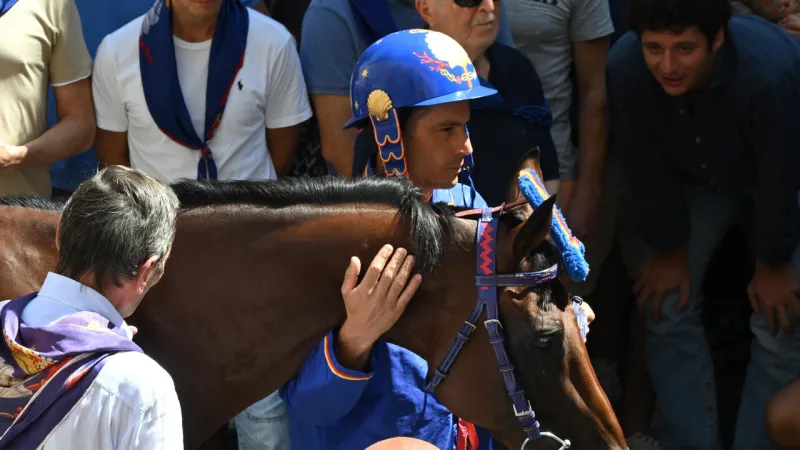
In Siena, Italy, the Contrada Nicchio secured a momentous victory in the storied Palio di Siena, ending a 28-year drought for the historic neighborhood. The highly anticipated bareback horse race, a central pillar of Sienese tradition, unfolded recently after two postponements necessitated by inclement weather, adding an extra layer of suspense and fervor to the ancient spectacle.
The triumph marks a profoundly emotional moment for the Nicchio contrada, often referred to as the grandmother contrada due to its long history. Its last victory dated back to 1998, rendering this win particularly significant for its members, who have patiently awaited this day for almost three decades.
The Palio di Siena is more than just a horse race; it is a fierce competition between ten of Sienas seventeen contrade, or city wards, each represented by a jockey and horse. The event embodies centuries of tradition, civic pride, and intense rivalry, playing out twice a year in the Piazza del Campo, the citys main shell-shaped square.
This particular edition of the Palio di Siena was fraught with challenges, primarily due to adverse weather conditions. Heavy rainfall and concerns over track safety forced organizers to reschedule the race twice, a decision that heightened anticipation among both residents and international visitors. Such postponements underscore the commitment to safety and the integrity of the race, even when faced with significant logistical hurdles.
The role of the jockey, or fantino, is crucial and often fraught with peril. Riding bareback around the treacherous Piazza del Campo circuit, jockeys employ a mix of skill, strategy, and sometimes cunning to secure victory. The horses, specially selected and assigned to contrade through a draw, become temporary extensions of their neighborhoods, carrying the hopes of thousands.
Following Nicchios decisive win, the contrada erupted in jubilant celebrations. The traditional act of the jockey removing his cap signifies the official end of the race and the beginning of festivities that will continue for days, involving banquets, parades, and songs of triumph throughout the streets of Siena.
The Palio di Siena remains a vibrant testament to Italys rich cultural heritage, drawing global attention to its unique blend of pageantry, tradition, and raw sporting competition. It highlights how local customs continue to shape identity and community bonds in modern Italy, standing alongside events like the Autumn Art Exhibitions for 2026 as prime examples of the nations enduring cultural richness.
Weather patterns have increasingly influenced large-scale outdoor events across Italy in recent years. This years delays at the Palio are not isolated incidents, reflecting broader meteorological trends that experts have been monitoring. Concerns about sudden shifts, such as lightning risk in the Alps post-heatwave or escalating heat and humidity, are becoming more common in discussions surrounding public gatherings and outdoor activities.
The Sienese people view the Palio not merely as a contest but as a crucial expression of their historical identity and collective spirit. Each contrada functions as a micro-community, fostering strong allegiances and traditions that extend far beyond race day. A victory for one contrada often means decades of bragging rights and a renewed sense of pride.
This victory for Nicchio, particularly after such a prolonged period without a win, reinvigorates its members and strengthens the narrative of perseverance within the Palio. It is a potent reminder of the cyclical nature of triumph and tribulation inherent in this age-old tradition, reinforcing its enduring appeal and significance.