 Dodi Irawan
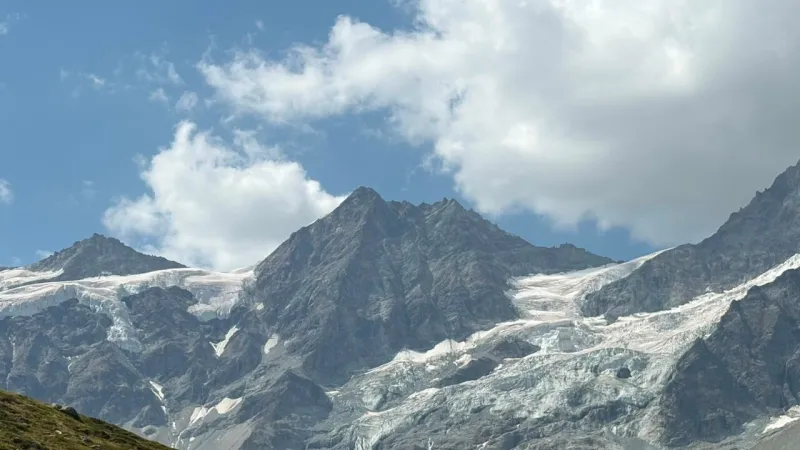
After enduring prolonged periods of intense heat, the European Alps are now experiencing a surge in violent thunderstorms, prompting a stark warning from meteorologist Professor Giovannini. The expert identifies the iconic mountain range as a critical lightning hot spot, urging the public to exercise heightened vigilance as atmospheric conditions shift dramatically.
The transition from scorching temperatures to severe weather systems creates volatile atmospheric dynamics over the Alps. High humidity, accumulated during the heatwave, combines with cooler air masses colliding with the mountain peaks, generating the potent updrafts essential for the formation of powerful cumulonimbus clouds, the progenitors of lightning.
Professor Giovannini, a respected authority on Alpine weather patterns, emphasized the inherent dangers. "One must always exercise caution," he stated, highlighting the unpredictable nature of these rapidly developing storms and the significant risk they pose to both residents and visitors in the mountainous regions.
This escalation in severe weather follows a recent period of extreme heat that gripped much of Europe, including Italy. Regions experienced record-breaking temperatures, contributing to a range of public health concerns. The article, Escalating Heat and Humidity Fuel Migraine Crises Across Italy, detailed some of the health impacts suffered by the populace during this intense thermal phase.
The geographical configuration of the Alps plays a pivotal role in amplifying these phenomena. The steep topography forces moisture-laden air upwards, accelerating condensation and supercharging storm development. This orographic lifting effect is a primary reason the area frequently experiences intense local weather events.
Data from meteorological observatories across the Alpine arc indicate an increase in both the frequency and intensity of lightning strikes in recent weeks. While specific long-term trends require further study, the immediate post-heatwave environment appears particularly conducive to these energetic atmospheric discharges.
Hikers, climbers, and outdoor enthusiasts are especially vulnerable to the sudden onset of these powerful thunderstorms. Exposed ridges, peaks, and open terrain offer little protection, making early warning and diligent adherence to safety protocols paramount for anyone venturing into the high country.
Local authorities and rescue services across Italy, Switzerland, Austria, and France, the nations that share the Alpine expanse, are reinforcing public safety advisories. These warnings typically include advice to monitor weather forecasts closely, avoid exposed areas during predicted storm activity, and seek immediate shelter at the first sign of electrical activity.
The phenomenon underscores broader discussions surrounding climate change and its potential impact on regional weather patterns. While individual events cannot be definitively attributed to global warming, scientists observe a trend towards more extreme weather events, including intense heatwaves followed by severe storms.
Understanding the unique meteorological characteristics that make the Alps a significant lightning hot spot is crucial for public safety and preparedness. As Professor Giovannini implies, awareness and caution remain the most effective tools against the powerful forces of nature at play in these majestic, yet at times treacherous, mountains.