 Chris Robert
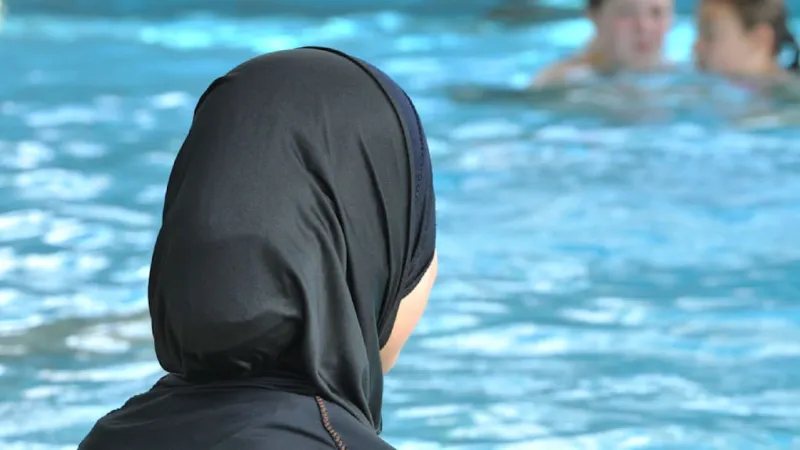
A hotel in Salzburg province, Austria, faces a significant fine after a provincial administrative court ruled its policy barring guests from using swimming pools in burkinis constituted unlawful discrimination. The decision comes after two guests were denied access to the hotel's water facilities while wearing the full-body swimsuits, prompting a legal challenge that affirmed their right to wear the attire.
Hotel managers had explicitly informed the two guests that full-body swimsuits were not permitted in the water basins. This directive effectively prevented the women from utilizing the hotels aquatic amenities, leading to the formal complaint.
The Provincial Administrative Court meticulously reviewed the case, concluding that the hotels actions amounted to direct discrimination. The ruling underscored that denying access based solely on the choice of swimwear, specifically burkinis, infringed upon fundamental rights related to personal expression and non-discrimination.
As a consequence of the courts findings, the hotel has been ordered to pay a substantial monetary penalty. This punitive measure serves as a clear legal precedent, signaling that establishments in Austria must ensure their policies do not unfairly target individuals based on their attire, particularly when it is linked to cultural or religious practices.
The decision resonates within a broader European context where the burkini, a full-body swimsuit designed for Muslim women, has frequently sparked debate and legal challenges. Countries like France have seen extensive discussions and rulings concerning religious attire in public spaces and institutions, exemplified by decisions such as the French Appeals Court affirming the Averroes Muslim School contract termination. These cases collectively highlight the ongoing tension between secular principles, individual freedoms, and religious practices across the continent.
Proponents of the burkini argue it offers women, particularly Muslim women, the freedom to participate in public swimming activities while adhering to their religious or personal modesty standards. They view bans as exclusionary and an infringement on personal liberty.
Conversely, some argue that such swimwear might pose hygiene concerns or represent a challenge to secular values in certain public settings. However, numerous studies and expert opinions have largely debunked the hygiene argument, and legal interpretations increasingly prioritize non-discrimination.
This Salzburg ruling reinforces the legal standing against such bans in Austria, aligning with a growing international trend that advocates for inclusive policies in public and commercial spaces. It specifically emphasizes that commercial establishments cannot arbitrarily enforce dress codes that disproportionately affect certain groups.
For the hospitality industry, this judgment provides a crucial reminder of the legal obligations to uphold anti-discrimination laws. Hotels and other recreational facilities are now put on notice regarding the potential legal and financial ramifications of implementing policies that could be perceived as discriminatory.
The case is expected to have a ripple effect, prompting other establishments in Austria and potentially beyond to review their current swimwear policies. The objective will be to ensure they comply with non-discrimination statutes and avoid similar legal entanglements.
Ultimately, the Provincial Administrative Court's verdict in Salzburg champions the principle of equal access and challenges biases that often underlie restrictions on religious or culturally specific attire in public leisure spaces. It is a victory for diversity and inclusion within the Austrian legal framework, setting a significant benchmark for future considerations of such policies.
This decision further contributes to the evolving jurisprudence surrounding religious freedom and personal autonomy in contemporary European society, where the balance between individual rights and communal norms is continually negotiated. It reaffirms that the right to participate in public life, including leisure activities, should not be curtailed by discriminatory dress code regulations, especially when those regulations lack a compelling, non-discriminatory justification.
The ruling provides clarity for both consumers and businesses, establishing that hotels cannot use arbitrary rules to exclude guests based on their choice of modest swimwear. This ensures that everyone can enjoy public facilities without fear of discrimination.