 Dorry Archiles
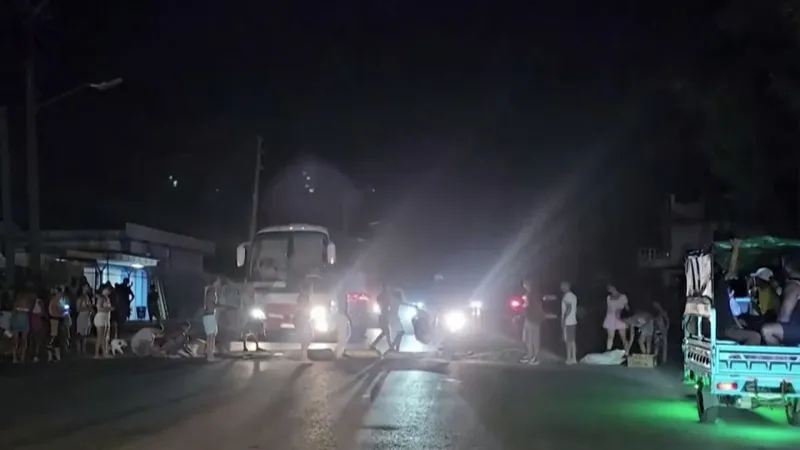
HAVANA, Cuba — Widespread power outages have sparked indignant protests across the island nation, with residents in communities like San Miguel del Padron expressing their profound frustration through public demonstrations, including the symbolic banging of pots and the burning of refuse in the streets. This escalating dissent underscores a severe Cuba energy crisis gripping the country, disrupting daily life and fueling public discontent with the government's protracted inability to resolve chronic electricity shortages.
The recent spate of blackouts, which frequently last for eight hours or more daily, has become an unbearable burden for many Cubans already navigating austere economic conditions. These prolonged interruptions disrupt everything from food preservation in an economy reliant on refrigeration to communication and essential household tasks, exacerbating an already challenging existence.
Cuba has long contended with an aging and fragile energy infrastructure, a legacy of decades of underinvestment and the complex challenges of international sanctions. The reliance on imported fuel, primarily heavy crude oil, makes the nation vulnerable to global market fluctuations and logistical hurdles, further complicating efforts to maintain a stable power supply.
Analysts point to several factors compounding the current crisis. The decrepit state of thermoelectric plants, Cuba's primary source of electricity, frequently results in breakdowns and extended maintenance periods. Compounding this is a chronic shortage of foreign currency, limiting the government's capacity to purchase necessary fuel and spare parts on the international market.
The economic toll on ordinary citizens is immense. Small businesses struggle to operate without consistent power, threatening livelihoods and stifling nascent private sector growth. Families endure sweltering tropical heat without air conditioning or fans, and the inability to cook or preserve food reliably creates significant hardship, often leading to food spoilage.
Government officials have acknowledged the severity of the power outages, attributing them to technical failures and fuel scarcity. While promises of improved service and new investments are occasionally made, citizens report little tangible improvement, deepening their disillusionment with official assurances.
Social media platforms, despite limited internet access, have become vital conduits for expressing public outrage. Citizens share images and videos of their neighborhoods plunged into darkness, alongside accounts of street protests, providing a rare glimpse into the widespread anger simmering beneath the surface of official narratives.
The current wave of demonstrations echoes past periods of unrest in Cuba linked to economic hardship and shortages. Historically, such widespread public displays of frustration over essential services can signify deeper societal strains, prompting both local and international observation of the government's response.
These energy woes are not unique to Cuba among nations grappling with economic pressures. For instance, the challenges mirror certain aspects of broader global energy price volatility, though Cuba's situation is exacerbated by its unique political and economic isolation. (While not directly comparable to individual European energy challenges, the broader theme of energy security remains a global concern, as seen in Milan Gasoline Prices Soar Past 2.6 Euros; Billions in Summer Tax Hit).
Moving forward, experts suggest that a lasting solution for the Cuba energy crisis would require substantial foreign investment in renewable energy sources, comprehensive modernization of the existing grid, and a more diversified approach to fuel procurement. However, given the geopolitical landscape and Cuba's internal economic policies, such changes appear formidable and distant.
The immediate future offers little respite for Cuban citizens. With the summer months approaching, demand for electricity is set to rise, potentially intensifying the blackouts and, by extension, the public demonstrations. The ongoing struggle for consistent power remains a defining challenge for the Cuban populace and its leadership.