 Chandra Wijayanto
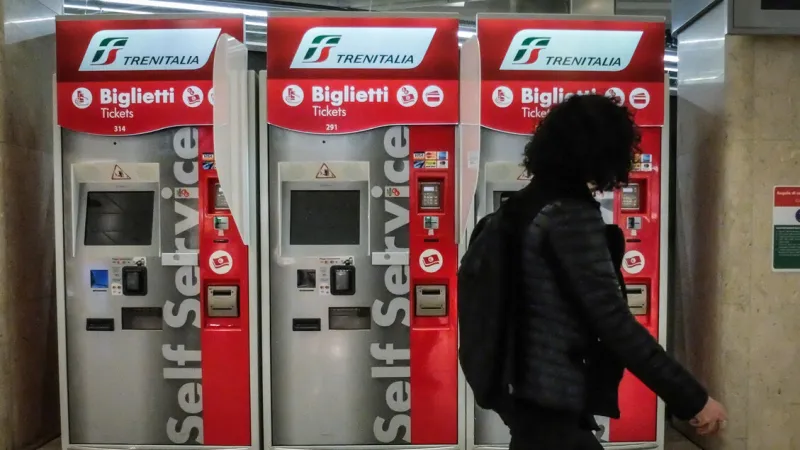
ROME – Italian state railway Trenitalia has confirmed a significant cyberattack against its systems, leading to unauthorized access to the personal data of an unspecified number of customers. The company moved swiftly to reassure the public that, despite the breach, sensitive payment information was not compromised or disseminated by the attackers.
The incident, which spotlights the increasing vulnerability of critical infrastructure to digital incursions, prompted an immediate internal investigation by Trenitalia. The extent and precise nature of the personal data accessed remain under assessment, though such breaches typically involve details like names, email addresses, phone numbers, and travel histories.
Trenitalia, a key component of Italy's national transport network, initiated its cybersecurity protocols upon detecting the intrusion. The company is collaborating with relevant authorities, including Italy's National Cybersecurity Agency and data protection watchdogs, to manage the fallout and enhance its defensive posture.
This latest cyberattack adds to a growing list of digital assaults targeting high-profile organizations across Europe. State-backed actors and criminal groups increasingly view transportation networks as lucrative or strategically valuable targets, underscoring the persistent threat environment.
While the company has not publicly disclosed the exact number of individuals affected, the sheer scale of Trenitalia's operations suggests that a substantial user base could be at risk. Affected customers are expected to receive formal notifications in compliance with data protection regulations, such as the General Data Protection Regulation (GDPR).
The critical assurance regarding payment data underscores a partial success in mitigating the breach's impact. Had financial information been compromised, the potential for widespread fraud and identity theft would have escalated significantly, posing a far greater challenge for both customers and the company.
Cybersecurity experts frequently advise individuals to remain vigilant following any reported data breach. Customers of Trenitalia should monitor their accounts for suspicious activity, be wary of phishing attempts via email or SMS, and consider changing passwords associated with their Trenitalia profiles and other linked services.
The incident serves as a stark reminder for both private enterprises and public sector entities about the imperative of robust cybersecurity investments. Proactive threat detection, employee training, and frequent system audits are essential safeguards against sophisticated and evolving cyber threats.
Trenitalia has pledged to reinforce its digital defenses and implement lessons learned from this breach to prevent future occurrences. The ongoing investigation aims to pinpoint the origin of the attack and the methodologies employed by the perpetrators, which is crucial for developing more resilient security architectures.
Public confidence in digital services often wavers after such events. Trenitalia faces the challenge of rebuilding trust among its millions of passengers, ensuring transparency throughout the recovery process and demonstrating concrete steps to protect customer data more effectively moving forward.