 Dorry Archiles
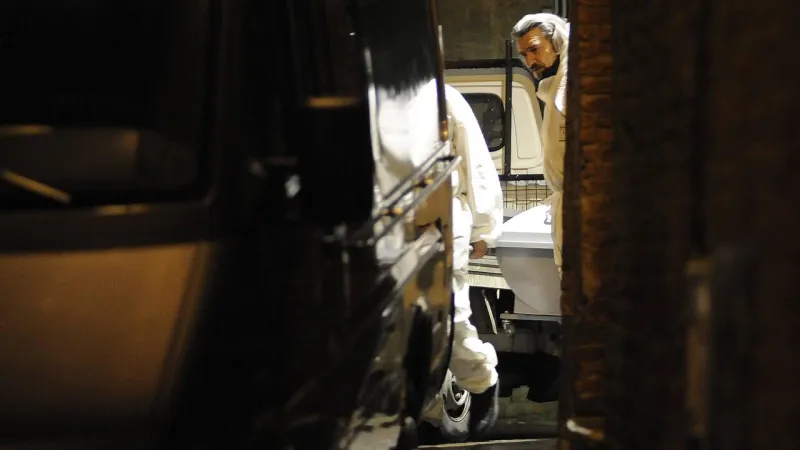
The parliamentary inquiry commission investigating the contentious 2013 death of former Monte dei Paschi di Siena communications chief, David Rossi, has publicly identified two individuals, Giuseppe Mussari and Fabrizio Ceccherelli, alleging their involvement. The commission chairman, Pierantonio Vinci, explicitly stated that Mussari was the instigator of the intimidation, with Ceccherelli selecting the personnel. Ceccherelli has vehemently denied any connection to the affair.
Vinci, leading the parliamentary body tasked with unraveling the mysteries surrounding Rossi's fatal fall from his Siena office window, presented these allegations during a recent public statement. The naming of Mussari, a former chairman of Monte dei Paschi di Siena, and Ceccherelli, an individual whose precise role in the alleged events remains under scrutiny, marks a significant development in the long-running probe.
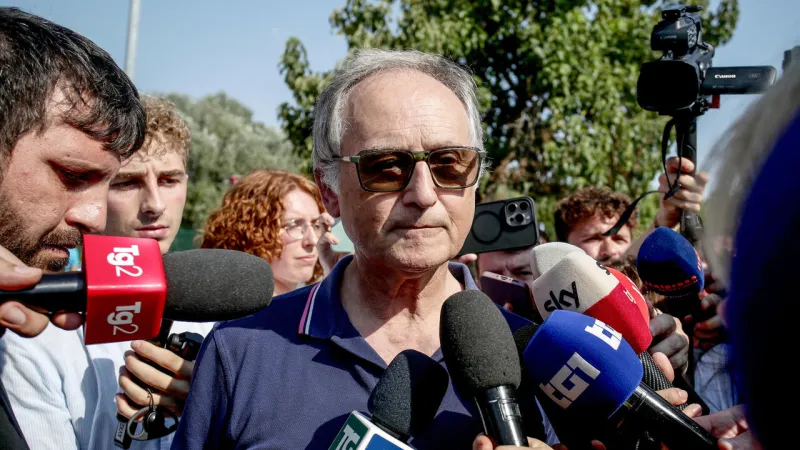
Responding swiftly to the accusations, Ceccherelli issued a categorical denial. “I have nothing to do with this matter,” he asserted, rejecting any implication of his involvement in the intimidation or any other aspect connected to Rossi's death. His statement underscores the deeply polarized nature of this ongoing Italian legal and political saga.
David Rossi's death on March 6, 2013, initially ruled a suicide, has been subject to persistent doubts and multiple investigations. His demise occurred amidst a major financial scandal engulfing Monte dei Paschi di Siena, Italy's third-largest bank, which became a focal point for political and economic scrutiny.
Initial judicial inquiries concluded Rossi took his own life, a verdict that many, including Rossi's family, have consistently challenged. They argue that the circumstances surrounding his fall, including alleged assailants seen on security footage and anomalies at the scene, point to a more complex narrative. The family has campaigned tirelessly for a thorough re-examination of the evidence.
The parliamentary inquiry commission was established precisely to address these lingering questions and explore aspects of the case that previous investigations might have overlooked or dismissed. Its mandate is to provide a definitive account of events, drawing upon new evidence and testimonies.
Giuseppe Mussari, named as the alleged instigator, has a prominent past in Italian finance. He served as chairman of Monte dei Paschi di Siena from 2006 to 2012, a period coinciding with some of the bank's most turbulent financial decisions and its eventual near-collapse. His role in the bank's management has long been under intense scrutiny.
The formal naming of individuals by a parliamentary commission carries considerable weight, even if it does not equate to a judicial indictment. It signals a belief within the inquiry that these persons hold crucial information or direct responsibility for events preceding Rossi's death.
This development could reignite public and media interest in the David Rossi case, potentially pressuring judicial authorities to revisit aspects of the investigation. The commission's findings, once finalized, will be presented to parliament and could lead to further legal actions or recommendations.
For over a decade, the pursuit of truth behind David Rossi's death has captivated Italy, symbolizing broader concerns about transparency, accountability, and the intertwining of finance and power within the nation's elite. This latest disclosure underscores the enduring complexities and the unresolved nature of the tragic event.
The Monte dei Paschi di Siena scandal itself led to several high-profile arrests and convictions related to fraud and false accounting. Rossi, as the bank's communications director, was privy to sensitive information and was reportedly under immense pressure in the weeks leading up to his death. His computers and phones were seized, and their contents have been a subject of contention throughout the various investigations.
The inquiry commission continues its work, gathering testimony and analyzing documents. Its ultimate report is expected to detail its full findings and conclusions, offering a comprehensive overview of a case that has remained a wound in Italy's public consciousness. These latest allegations form a critical component of that ongoing pursuit.