Angel Doris
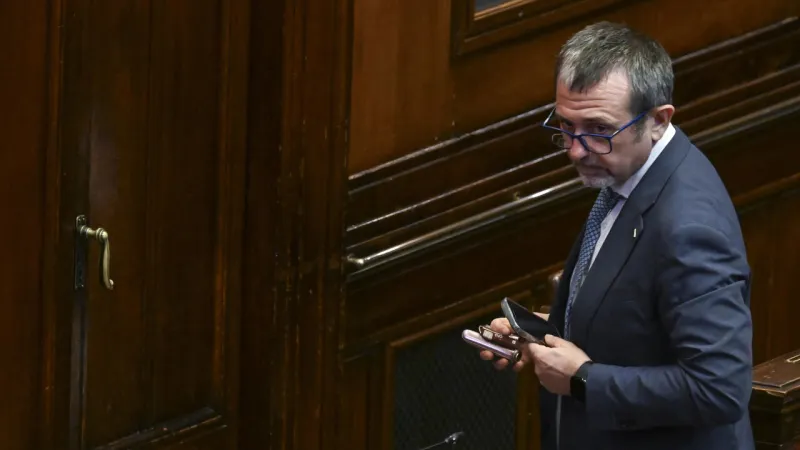
ROME – Italy's parliamentary Giunta for Authorization to Proceed has voted by a decisive majority to advance the controversial Delmastro chat case directly to the full Chamber of Deputies for a definitive vote. This pivotal decision, reached after intense deliberation, sets the stage for a dramatic parliamentary showdown as early as tomorrow afternoon at Montecitorio.
The highly anticipated vote concerns Andrea Delmastro Delle Vedove, the Undersecretary of Justice, who faces allegations surrounding the unauthorized disclosure of sensitive information. The Giunta's move escalates a political controversy that has gripped Italian political circles for weeks, raising fundamental questions about official secrecy and the conduct of government officials.
Sources within the parliamentary committee indicated that the majority vote reflected a determination to allow the broader assembly of elected officials to consider the implications of the Delmastro chat case. The case centers on private chats allegedly containing information related to the detention conditions of Alfredo Cospito, a high-profile anarchist leader.
The opposition parties have vehemently called for clarity and accountability, asserting that the alleged actions of Undersecretary Delmastro warrant a thorough parliamentary review. They contend that the disclosure of such information, regardless of intent, represents a serious breach of protocol and potentially national security.
Conversely, members of the governing coalition have largely defended Delmastro, characterizing the allegations as an attempt to destabilize the administration. They argue that the information, while perhaps sensitive, did not compromise national security and was part of legitimate political discourse, albeit within an unofficial context.
The vote by the Giunta, a specialized body responsible for assessing requests concerning the legal immunity of parliamentarians, was seen as a critical procedural hurdle. Its decision to refer the matter to the Chamber underscores the gravity with which the incident is now viewed within parliamentary processes.
Should the Chamber of Deputies vote to proceed, it could pave the way for a judicial inquiry into Delmastro's conduct, potentially leading to charges or significant political repercussions. The stakes are high, not only for the Undersecretary but also for the stability and reputation of the current government.
Prime Minister Giorgia Meloni's government has navigated several complex political issues since taking office. The Delmastro chat case adds another layer of scrutiny to its operations, demanding a careful balance between protecting officials and upholding transparency. The government faces pressure to demonstrate its commitment to ethical governance, as highlighted by recent discussions in cabinet sessions, such as those covered in reports like Meloni Convenes Key Ministers Ahead of Critical Cabinet Session.
The session at Montecitorio is expected to be fraught with heated debate. Lawmakers will deliberate on whether Delmastro's actions constituted a crime, an ethical breach, or merely a misjudgment within his official capacity. The outcome will likely set a precedent for how future instances of alleged information leaks are handled within Italian political structures.
Political analysts suggest that the vote will also serve as a barometer of the government's internal cohesion and its ability to rally its majority in crucial moments. A failure to manage the optics and substance of the vote effectively could embolden the opposition and potentially trigger wider political instability.
As the nation awaits the parliamentary vote, attention remains fixed on the delicate balance between official duties and personal communications. The Delmastro chat case has ignited a national conversation on privacy, transparency, and the accountability of those in power, reverberating across all levels of Italian governance.