 Angela Stefani
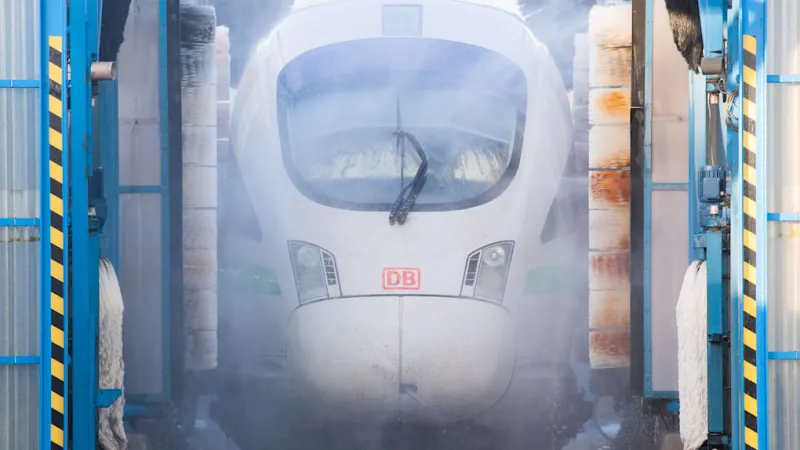
BERLIN – Deutsche Bahn, Germany's national railway company, is channeling a substantial 210 million Euros into an extended initiative aimed at combating pervasive dirt and vandalism across its expansive network. The comprehensive "XXL Washing Program" will span until 2030, marking a significant commitment to enhancing passenger experience and operational hygiene.
The multi-million Euro investment underscores a renewed strategic focus on public perception and the overall quality of rail travel within Germany. This program represents an extension of an existing immediate action plan, signaling that cleanliness and the fight against graffiti and other forms of damage remain persistent challenges for the operator.
Central to this initiative is a planned increase in the number of cleaning personnel. A particular emphasis will be placed on improving the sanitary conditions within the high-speed Intercity-Express (ICE) train toilets, an area frequently cited by passengers as needing improvement.
Public transportation across Europe often grapples with issues of cleanliness and vandalism, which can significantly detract from passenger satisfaction and deter potential riders. Deutsche Bahn's proactive stance seeks to address these concerns head-on, aiming to cultivate a more inviting and hygienic travel environment.
The 210 million Euro allocation is earmarked for various measures beyond just increased staff. It includes investments in advanced cleaning technologies, more frequent cleaning cycles at stations and on trains, and enhanced efforts in the rapid removal of graffiti and other forms of defacement.
For years, Deutsche Bahn has faced criticism regarding the state of its facilities, particularly in older train models and certain high-traffic stations. This substantial financial commitment signals a serious attempt to reverse negative perceptions and elevate service standards to meet passenger expectations.
The program's extension until the end of the decade provides a long-term framework for sustained improvements rather than a temporary fix. This strategic horizon allows for systematic changes in maintenance routines and resource deployment across the vast railway infrastructure.
Vandalism, encompassing graffiti, broken fixtures, and general littering, costs railway operators significant sums annually in repair and cleanup efforts. By investing proactively, Deutsche Bahn aims not only to clean up existing damage but also potentially deter future acts through a visibly well-maintained environment.
Improving the onboard experience, especially the often-criticized toilet facilities on long-distance trains, is a critical aspect of customer retention. A clean and functional restroom is a fundamental expectation for many travelers, and Deutsche Bahn recognizes this as a key driver of passenger satisfaction.
The company's announcement comes amid broader discussions about the future of sustainable transportation and the role of rail in Germany's climate goals. A clean, comfortable, and reliable rail network is essential to encourage more citizens to choose trains over other modes of transport.
While the immediate focus is on visible cleanliness, the program also subtly addresses operational efficiency. Well-maintained rolling stock and stations require less intensive, reactive repairs, potentially freeing up resources in the long run.
Deutsche Bahn's efforts are part of a larger trend among national railway operators to invest in infrastructure and service quality. Maintaining public trust and encouraging ridership requires continuous attention to both the visible aspects of service and underlying operational reliability.
The German public has high expectations for its infrastructure, and the railway system is no exception. This investment reflects an understanding that a robust and appealing rail service is crucial for the nation's economic and social fabric.
Details regarding the exact deployment of the additional cleaning staff, including their training and distribution across various operational areas, are expected to be refined as the program rolls out further. The strategic placement of these resources will be key to the program's success.
This initiative is not merely about aesthetics; it is also about public health and safety. Clean environments are less likely to harbor pathogens, contributing to a healthier travel experience for millions of daily commuters and long-distance travelers.
The "XXL Washing Program" aims to create a tangible difference that passengers can observe and appreciate, fostering a sense of pride and ownership in the national railway system. Such improvements can translate into increased ridership and a more positive public image for Deutsche Bahn.