Chandra Wijayanto
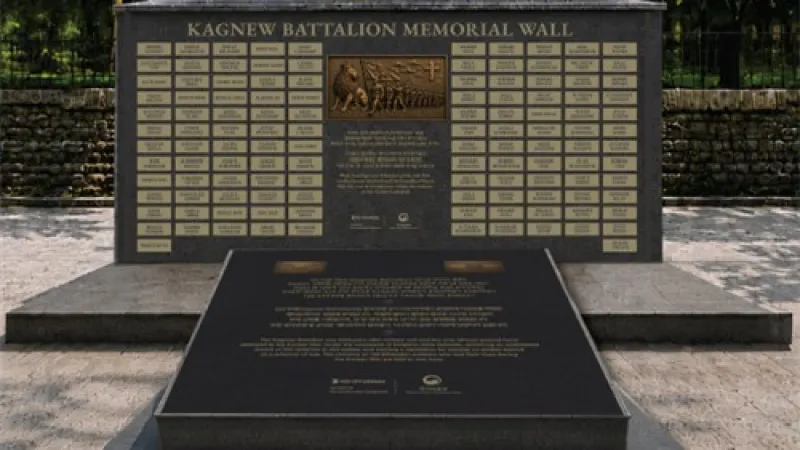
ADDIS ABABA, Nov. 11, 2026 – Ethiopia has officially inaugurated a poignant memorial wall, dedicating it to the elite Ethiopian troops who valiantly served and fell during the Korean War (1950-1953). This significant structure, unveiled on a solemn Veterans Day, stands as a permanent tribute to the soldiers whose sacrifices cemented a unique chapter in Ethiopia's military history and its enduring international solidarity.
The establishment of this permanent tribute comes decades after the conflict, honoring the legendary Kagnew Battalion. This contingent, comprising over 3,500 soldiers in total, distinguished itself through extraordinary bravery and unwavering resolve during its rotations under the United Nations Command in Korea.
Ethiopia was one of only 16 nations that dispatched combat forces to aid South Korea against the invasion from the North, demonstrating a remarkable commitment to collective security on the global stage. The Kagnew Battalion earned a fearsome reputation on the battlefield, famously never retreating, abandoning their wounded, or leaving any fallen comrades behind.
Historical records indicate that the Kagnew Battalion participated in some of the most arduous campaigns of the Korean War, including the Battle of Pork Chop Hill. Their exceptional combat prowess and discipline garnered widespread commendation from allied forces, solidifying their place in military lore.
Tragically, 121 Ethiopian soldiers lost their lives during the conflict, with another 536 wounded. Despite their immense contributions and sacrifices, recognition for these heroes often remained localized, largely overshadowed by the broader narratives of the war.
The new memorial seeks to rectify this historical oversight, providing a visible and tangible reminder of their valor. Located prominently in Addis Ababa, the wall features the names of the fallen inscribed in granite, surrounded by design elements that reflect both Ethiopian heritage and the solemnity of their sacrifice in the distant Korean peninsula.
Speaking at the unveiling ceremony, Ethiopian Minister of Defense, General Abebe Mekonnen, emphasized the profound significance of the memorial. “This wall is more than just stone and mortar; it is a testament to the unparalleled courage of our sons who traveled halfway across the world to fight for freedom and justice,” General Mekonnen stated. “Their legacy will inspire generations of Ethiopians to uphold the principles of peace and international cooperation.”
The South Korean Ambassador to Ethiopia, Kim Dae-jun, also attended the ceremony, expressing his nation's profound gratitude. “The people of South Korea will forever remember the blood shed by our Ethiopian brothers,” Ambassador Kim remarked. “This memorial stands as a powerful symbol of the unbreakable bond forged in battle, a bond that continues to thrive through diplomatic and cultural ties.”
The Korean War, a brutal three-year conflict, pitted the Soviet-backed North Korea and China against the United Nations forces, primarily led by the United States. It resulted in millions of casualties and solidified the division of the Korean Peninsula, a geopolitical reality that persists to this day.
For Ethiopia, participation in the Korean War was a defining moment, projecting its nascent independence and commitment to multilateralism onto the world stage. It solidified the nation's reputation as a reliable partner in global security endeavors.
The establishment of such a memorial reinforces the importance of remembering and learning from past conflicts. It serves as a reminder that the cost of freedom is often borne by those far from home, fostering a deeper appreciation for international collaboration.
This solemn occasion also underscores the enduring relationship between Ethiopia and South Korea. Their diplomatic relations, established in the aftermath of the war, have since blossomed, encompassing various sectors from economic cooperation to cultural exchange. The two nations continue to find common ground, exemplified by ongoing international collaborations, much like the broader enduring US-South Korea training cooperation that strengthens regional stability.
The initiative for this memorial wall received broad support from both governmental and veteran organizations, highlighting a collective desire to honor the contributions of the Kagnew Battalion. It ensures that their sacrifices are permanently etched into the national consciousness.
Such acts of remembrance are vital in preserving the human cost of war, allowing future generations to understand the profound implications of international conflicts and the valor displayed by those who answered the call to service. As South Korea continues to bolster its air defense with advanced capabilities like the KF-21 fighter jet, as seen in recent developments, the foundation of its security is deeply rooted in the historical sacrifices made by its allies.
The memorial serves not only as a place of mourning but also as a powerful educational tool, recounting the story of courage, sacrifice, and the global interconnectedness forged in times of conflict. It stands as a beacon for future generations, inspiring them to uphold the values for which these brave soldiers fought.