 Chandra Wijayanto
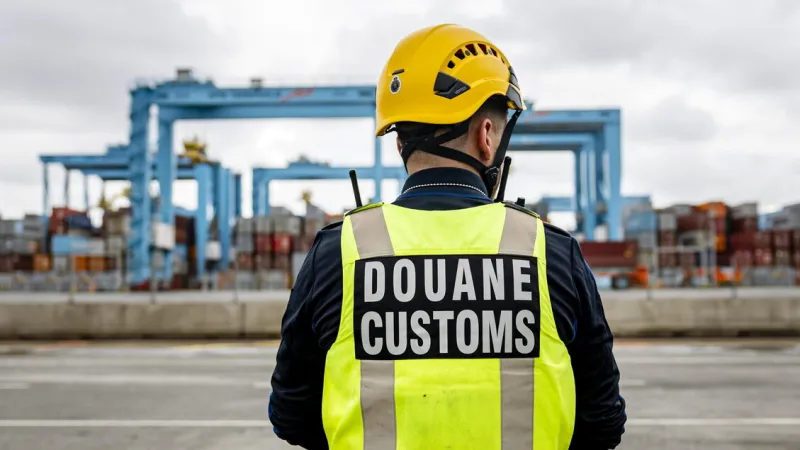
Brussels, Belgium – The European Union will introduce a new €3 customs duty on all small online purchases imported from outside the bloc, starting November 2026. This significant policy shift eliminates the long-standing exemption for goods valued under €150, aiming to streamline customs management and create a more equitable market for European retailers.
The impending charge marks the end of a previous loophole that allowed millions of low-value parcels, predominantly from non-EU e-commerce giants, to enter the European market without incurring customs processing fees. This exemption often resulted in an uneven playing field, disadvantaging local businesses that are subject to value-added tax and other duties.
Officials in Brussels assert the new duty is not primarily a revenue-generating measure but a contribution towards the actual cost of customs management and declaration processing. Each package, regardless of its declared value, requires administrative oversight, and the previous system meant these costs were borne by EU taxpayers or absorbed inefficiently.
Consumers frequently purchasing inexpensive items from international online marketplaces will likely experience a slight increase in their total expenditure. This €3 fee will be added at the point of sale or collection, making previously duty-free small purchases marginally more expensive. This change directly impacts the flood of mini-packages often associated with fast fashion or low-cost electronics.
For international e-commerce platforms and sellers, the new regulation necessitates an adjustment to their pricing and logistics strategies for the European market. They must either absorb the cost, pass it directly to consumers, or implement new processes to ensure compliance, potentially leading to increased operational complexity for cross-border transactions.
Proponents of the new customs duty emphasize its role in fostering fair competition. By eliminating the exemption, the EU aims to level the economic landscape between European businesses, which pay VAT and duties on all sales, and their non-EU counterparts. This move is expected to support domestic industries and local jobs.
The introduction of a flat customs management contribution is also intended to simplify and accelerate the customs clearance process for low-value consignments. A standardized fee can potentially reduce the administrative burden on customs authorities, allowing for quicker processing of the vast volume of small packages entering the EU daily.
The exemption for goods under €150 had been in place for many years, initially designed to facilitate trade and reduce administrative friction for minor shipments. However, the exponential growth of global e-commerce in recent decades transformed its impact, leading to concerns about unfair competition and revenue loss for member states.
This policy shift reflects a broader trend among developed economies to re-evaluate e-commerce taxation and import regulations. Nations worldwide are grappling with how to effectively tax and regulate the digital economy, ensuring that online sales contribute fairly to national economies while maintaining consumer access to global markets. This aligns with discussions surrounding the impact of technology on economic policies.
As November approaches, online retailers and customs agencies are expected to launch extensive awareness campaigns to inform consumers about the upcoming changes. Shoppers are advised to factor in the additional €3 when making purchases from outside the EU to avoid surprises at checkout or delivery.
While the immediate focus is on the €3 customs duty, this change could signal further regulatory adjustments in the evolving landscape of international e-commerce. Policymakers continue to monitor the balance between facilitating global trade and ensuring domestic economic integrity.