Gabriella
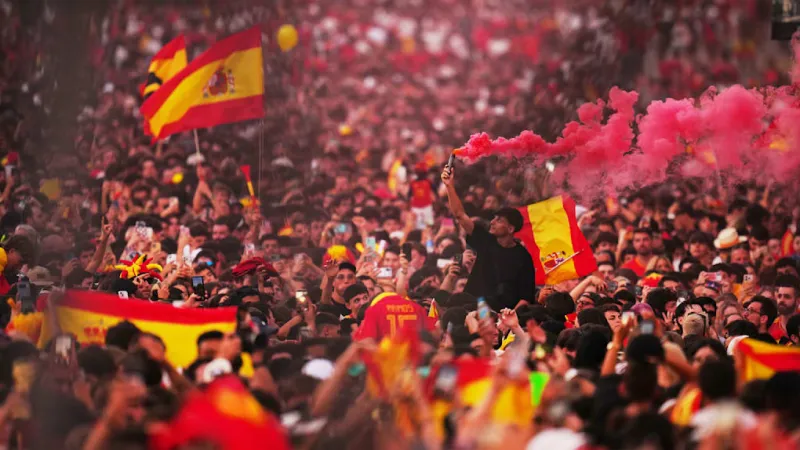
Madrid witnessed an unprecedented outpouring of national pride as approximately two million jubilant fans flooded the citys streets to celebrate the Spanish national football teams momentous victory in the FIFA World Cup. The historic triumph, which marked a pinnacle for Spanish sport, culminated in a spectacular procession and rally that united the capital in a sea of red and yellow the day after their victory.
The massive influx of revelers transformed Madrids major arteries into an impassable, yet joyous, throng. From early afternoon until late into the night, supporters clad in national colors chanted, sang, and waved flags, creating an electrifying atmosphere that resonated throughout the Iberian Peninsula.
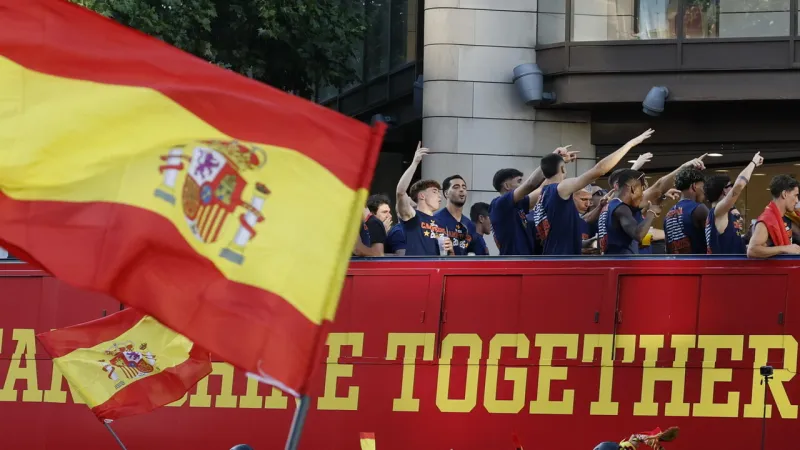
Upon their arrival back on home soil, the victorious squad embarked on an open-top bus parade, an eagerly anticipated tradition for champions. The route, meticulously planned to accommodate the colossal crowds, snaked through iconic landmarks, turning each street corner into a spontaneous fiesta.
Thousands lined the Gran Vía and Paseo de la Castellana, vying for a glimpse of their heroes. Police and emergency services worked tirelessly to manage the ecstatic public, reporting minimal incidents despite the immense scale of the gathering.
The epicenter of the celebration was the Plaza de Cibeles, the traditional gathering point for Real Madrid and the national teams major successes. Here, a colossal stage awaited the players, illuminated by a dazzling light show and punctuated by a thunderous roar from the assembled multitude.
One by one, the players appeared on stage, each greeted with deafening applause. The team captain hoisted the coveted World Cup trophy high, triggering a fresh wave of euphoria that swept through the square. The coaching staff addressed the crowd, expressing profound gratitude for the unwavering support.
This particular World Cup victory carried significant weight, solidifying Spains reputation on the global football stage. It was a testament to years of dedicated development, strategic investment in youth academies, and the cohesive spirit within the national squad.
The final match itself, a gripping encounter against a formidable opponent, saw the Spanish side demonstrate exceptional skill and resilience. The decisive goal, scored in the latter stages, sparked initial celebrations worldwide before the teams return.
For many Spaniards, the victory transcended mere sport, serving as a powerful symbol of national unity and resilience during challenging times. It offered a collective moment of joy and pride, fostering a sense of shared identity across diverse regions. This outpouring of emotion mirrored and perhaps even surpassed previous national celebrations, truly igniting a million-strong Madrid celebration.
While previous sporting triumphs, such as their 2010 Mens World Cup win, evoked similar widespread celebrations, the sheer numbers present in Madrid for this event underscored a growing passion for the game and an enduring national spirit.
The legacy of this World Cup victory will undoubtedly inspire a new generation of footballers and sports enthusiasts in Spain. It reinforces the notion that dedication, teamwork, and an unyielding pursuit of excellence can lead to the highest echelons of global competition.
The city cleanup commenced promptly after the last revelers dispersed, a logistical challenge met with efficiency. Despite the scale, the joyous nature of the event left an indelible mark on Madrids history, etching this day into the annals of national memory.
The successful coordination of such a large-scale public event by city authorities and national security forces also garnered praise, demonstrating Spains capability to host major international gatherings safely and effectively.
The triumph will be remembered not just for the athletic achievement but for the incredible display of national solidarity it engendered on the streets of Madrid.