 Chandra Wijayanto
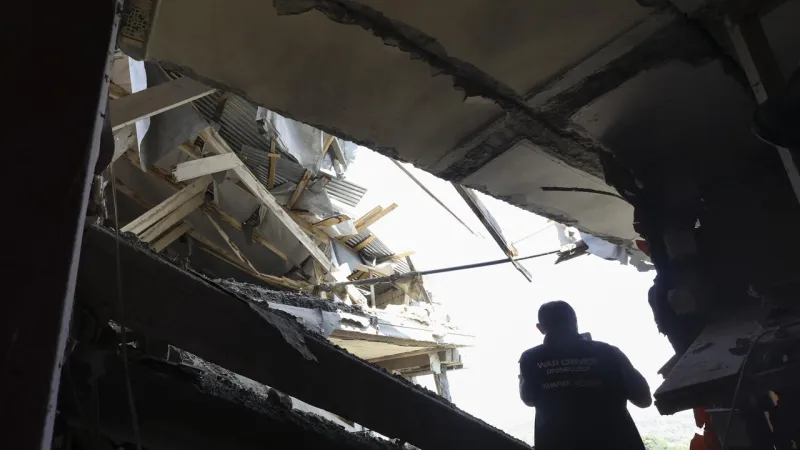
Moscow, Russia – A massive Ukrainian drone assault targeted the region surrounding the capital, Moscow, earlier this week, causing at least seven fatalities and injuring 24 individuals, Russian defense officials reported. The extensive barrage involved over 370 unmanned aerial vehicles, marking one of the most significant aerial attacks on Russian territory since the onset of the ongoing conflict.
The scale of the drone operation highlights the persistent escalation of hostilities between Russia and Ukraine, pushing the conflict deeper into the Russian heartland. Emergency services were deployed across various districts of the Moscow region to address the aftermath, including structural damage and the recovery of casualties.
According to preliminary reports from the Russian Ministry of Defense, the majority of the incoming drones were intercepted by air defense systems. However, a substantial number evidently penetrated defenses, leading to the casualties and destruction. The exact types of drones used in the assault have not yet been disclosed by Russian authorities.
This incident follows a pattern of increasingly sophisticated and audacious Ukrainian drone attacks that have targeted Russian military and strategic sites, as well as civilian infrastructure, over the past year. Kyiv has generally maintained an ambiguous stance on such strikes, neither confirming nor denying direct involvement but often implying they are a necessary response to Russian aggression.
The attack specifically on the Moscow region carries significant symbolic weight, underscoring Ukraine's capacity to project power far beyond the immediate front lines. Such strikes aim to disrupt Russian logistical networks, instill public unease, and potentially pressure Moscow to reconsider its military objectives.
Casualties included both civilians and, reportedly, some personnel involved in emergency response efforts. Hospitals in the greater Moscow area were placed on high alert to accommodate the influx of wounded, many suffering from shrapnel wounds and concussions. Investigations into the exact circumstances of each fatality and injury are underway.
The development also draws attention to Ukraine's advancements in drone technology and tactics. The evolution of Ukraine's drone capabilities, from reconnaissance to armed maritime and aerial vehicles, has been a key theme in the conflict, as previously examined in reports such as Ukraine Pioneers Armed Sea Drone: New Era in Coastal Warfare.
Russian President Vladimir Putin has frequently condemned such cross-border attacks as acts of terrorism, vowing severe retaliation. The Kremlin has consistently asserted that its air defense network is robust, though incidents like this challenge that narrative and raise questions about the protection of its major population centers.
International observers view the growing frequency and intensity of drone strikes as a critical indicator of the war's evolving dynamics. They highlight the asymmetric advantages drones offer to a force seeking to counter a larger, more conventionally equipped adversary.
The attack also places renewed pressure on European allies to maintain or even increase their support for Ukraine. The geopolitical landscape demands a unified approach, as leaders like French President Emmanuel Macron and UK Labour Party leader Keir Starmer have emphasized the critical need for continued European unity in supporting Ukraine, a topic explored in Europe's Ukraine Support Faces Critical Months.
While Russia claims significant success in intercepting the vast majority of the drones, the sheer volume of the assault presented an unprecedented challenge. This type of swarm attack aims to overwhelm air defense systems through sheer numbers, regardless of individual drone effectiveness.
Analysts suggest that such attacks could also serve to divert Russian air defense resources away from the front lines, potentially creating windows of opportunity for Ukrainian ground forces or further offensive actions. The psychological impact on the Russian populace is another intended consequence.
The Moscow region, home to vast residential areas and critical infrastructure, had previously experienced less severe drone incursions compared to regions closer to the Ukrainian border. This latest attack signals a potential shift in targeting strategy, bringing the direct consequences of the conflict closer to the Russian capital.
The global community remains deeply concerned about the continuing human cost of the conflict. United Nations officials have repeatedly called for a de-escalation of hostilities and the protection of civilians on all sides, reiterating their commitment to international humanitarian law.
The long-term implications of these drone attacks on urban centers include not only immediate casualties and damage but also the psychological toll on residents and the significant economic burden of repairs and enhanced security measures. The persistent threat reshapes daily life for millions.