 Demian Sahputra
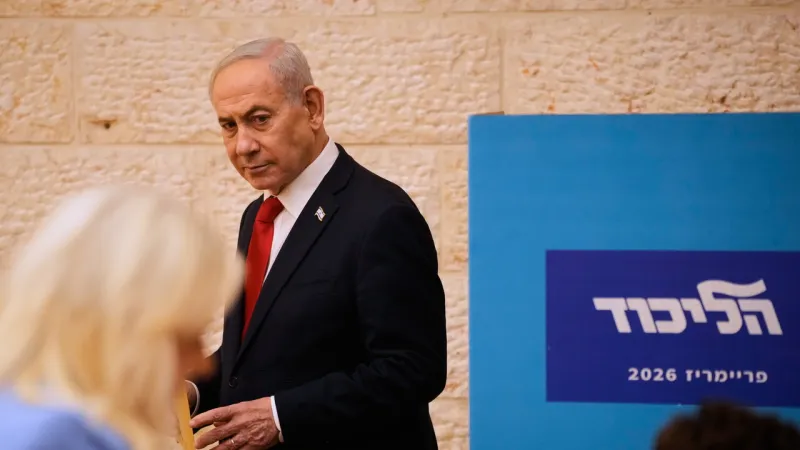
JERUSALEM – An explosive investigation published by Israel's leading newspaper, Haaretz, has ignited a political firestorm, alleging that the United Arab Emirates delivered a direct, 45-minute warning to Prime Minister Benjamin Netanyahu concerning an impending Hamas attack ten days before the devastating events of October 7, 2023. The Israeli premier has categorically dismissed the report as a “total lie.”
The meticulously detailed exposé by Haaretz, citing anonymous senior officials and intelligence sources, asserts that the critical communication occurred during a phone call initiated by UAE representatives. The call reportedly conveyed specific intelligence regarding a significant, planned operation by the militant group Hamas targeting Israeli territory.
According to the Haaretz account, the conversation, which lasted approximately three-quarters of an hour, provided sufficient detail to warrant immediate and robust preemptive measures. The newspaper implies that the information received was far from vague and underscored the urgency of the threat.
Prime Minister Netanyahu's office, however, swiftly issued a forceful rebuttal, stating, “This is a total lie. There was no such conversation and no such warning.” The unequivocal denial aims to quash the burgeoning controversy that challenges the narrative surrounding the lead-up to the deadliest attack in Israel's history.
This revelation places renewed scrutiny on the intelligence failures that allowed the October 7 assault to unfold, claiming the lives of over 1,200 Israelis and leading to the abduction of hundreds more. Public trust in the government and security apparatus has been severely tested since the attacks.
The report rekindles debates over the Israeli intelligence community's preparedness and the decision-making processes within the highest echelons of government. Critics have long pointed to systemic shortcomings that preceded the widespread breaches of border defenses by Hamas militants.
While the specific nature of the intelligence allegedly shared by the UAE remains under wraps in the Haaretz report, the sheer fact of a warning from a regional ally, especially one with whom Israel shares warming diplomatic ties under the Abraham Accords, adds a complex layer to the ongoing post-mortem of the attacks.
The United Arab Emirates, a key player in regional stability, has not officially commented on the Haaretz investigation. Silence from Abu Dhabi leaves the Israeli government's denial standing without immediate external corroboration or contradiction, prolonging the ambiguity.
Experts suggest that if the Haaretz claims prove accurate, the implications for Prime Minister Netanyahu's political standing and the wider perception of his administration's competence could be profound. Such a warning, if ignored, would represent a monumental lapse in judgment and security oversight.
The ongoing conflict in Gaza, which commenced in response to the October 7 attacks, continues to dominate regional and international headlines. The revelations from Haaretz add a critical, retrospective dimension to understanding the initial failures that precipitated the war.
Public calls for a comprehensive, independent inquiry into the events surrounding October 7 have been vocal since the immediate aftermath of the attacks. This new report from Haaretz is likely to intensify those demands, pushing for greater transparency and accountability from the government.
The Israeli political opposition has seized upon the report, using it to highlight what they describe as a pattern of negligence and a failure to protect Israeli citizens. They argue that the government must address these allegations directly and provide clear answers to the public.
The Haaretz newspaper maintains a reputation for robust investigative journalism and often publishes stories that challenge governmental narratives. Its commitment to uncovering difficult truths has cemented its position as a significant voice within Israeli media.
For more context on these critical warnings, read our previous coverage titled UAE Alerts Netanyahu to Hamas Plan Ten Days Before October 7 Devastation, which delves deeper into the unfolding controversy.
The international community watches closely as Israel continues to grapple with internal accountability for the October 7 attacks. Any credible evidence suggesting forewarning could further complicate international perceptions of the conflict and its origins.
The ramifications of this report extend beyond national politics, potentially impacting Israel's strategic partnerships and intelligence-sharing agreements with other allied nations. Trust among intelligence agencies hinges on the reliable processing and acting upon critical alerts.
As the investigation by Haaretz gains traction, it is anticipated that further details or denials may emerge, keeping the focus firmly on the pivotal period leading up to the October 7 devastation and the critical intelligence that may have been overlooked.
The enduring questions surrounding the security failures of October 7 demand full disclosure. Whether Prime Minister Netanyahu's denial stands or is eventually challenged by verifiable facts will be crucial for historical accuracy and future security protocols in Israel.