 Debby Wijaya
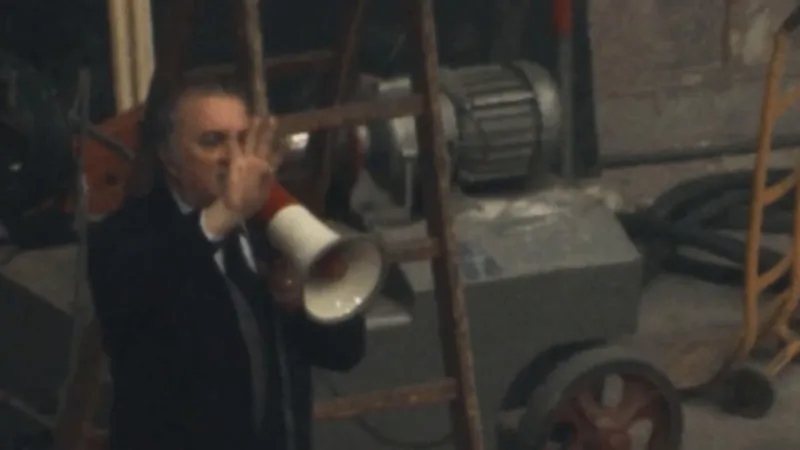
On the solemn anniversary of his passing, a compelling new film extract titled "Ultimo Fellini" has been released, offering a fresh perspective on the enduring genius of cinematic master Federico Fellini. Directed by Gianluigi Attorre, the production notably includes a pivotal testimony from revered journalist and critic Vincenzo Mollica, shedding light on the private and artistic world of the iconic director.
The unveiling of this footage serves as a profound moment for cinephiles and scholars alike, providing an intimate glimpse into the mind of a filmmaker whose fantastical visions irrevocably shaped global cinema. Fellini, known for his distinctive blend of neorealism and surrealism, continues to inspire generations with masterpieces like "La Dolce Vita" and "8½."
"Ultimo Fellini" by Attorre is not merely a posthumous release; it endeavors to reconstruct the atmosphere and philosophical underpinnings that defined Fellini's later career. The extract promises to illuminate previously unseen facets of his creative process and personal reflections during a significant period of his life.
Central to the film's allure is the contribution of Vincenzo Mollica. A long-standing fixture in Italian journalism and a trusted confidante to many artists, Mollica brings an unparalleled depth of insight into Fellini's character and work. His recollections are anticipated to offer a uniquely personal and authoritative account, moving beyond conventional biographical narratives.
This release coincides with a significant date marking the loss of one of Italy's greatest cultural exports. Such anniversaries serve not only as a remembrance but also as an opportunity to rediscover and re-evaluate the profound impact an artist like Fellini had on the collective imagination and the trajectory of cinematic art.
The decision to unveil an extract rather than a complete feature further builds anticipation for Attorre's full project, suggesting a meticulous approach to preserving and presenting Fellini's memory. This strategy allows for a focused engagement with specific thematic or biographical elements.
Fellini's influence extends far beyond mere storytelling; his films are celebrated for their elaborate visual poetry, unforgettable characters, and a distinctive carnival-esque atmosphere. "Ultimo Fellini" aims to reconnect audiences with this unique aesthetic through Mollica's narrative lens.
Gianluigi Attorre's directorial vision for "Ultimo Fellini" appears driven by a deep respect for his subject. By carefully curating moments and testimonials, Attorre seeks to craft a narrative that is both revealing and respectful of Fellini's monumental legacy.
The global fascination with Italian cinema, often spearheaded by luminaries such as Fellini, remains robust. This new extract reinforces the timeless quality of his artistry and the continuous scholarly and public interest in exploring the depths of his creative universe.
Through "Ultimo Fellini," the cinematic world once again turns its gaze to a maestro whose work transcended boundaries, reminding us that true genius continues to speak across generations, even from beyond the grave. The film serves as a poignant reminder of an irreplaceable artistic spirit.