 Chris Robert
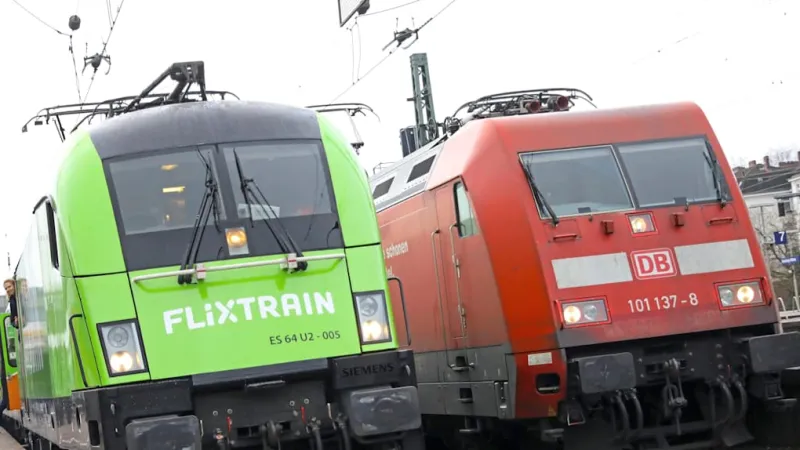
Hamburg – Flixtrain, the primary competitor to the national railway of Germany, Deutsche Bahn, announced a significant expansion plan today, committing 2.4 billion Euros to launch hourly train services between Hamburg and Berlin starting in 2027. This ambitious investment aims to double the private rail operators fleet, intensifying competition in German long-distance passenger transport.
This substantial capital infusion represents a pivotal moment for the Munich-based company, which has steadily gained market share since its re-entry into the German rail sector. The 2.4 billion Euro investment is earmarked specifically for acquiring new rolling stock and upgrading existing infrastructure to support the heightened frequency.
The doubling of its current fleet is central to the strategy employed by Flixtrain. With more trains, the operator can ensure the promised hourly cadence, a service level that directly challenges the established offerings of Deutsche Bahn on one of the busiest intercity routes in Germany. This move reflects a clear intent to capture a larger segment of the commuter and leisure travel market.
Flixtrain, a subsidiary of Flixbus, has positioned itself as an affordable alternative to the state-owned Deutsche Bahn. Its business model, focusing on cost-efficient operations and flexible pricing, has resonated with travelers seeking economical options for long-distance journeys across Germany. This expansion underscores its growing confidence in challenging the incumbent.
The prospect of hourly connections between Hamburg and Berlin is expected to significantly impact passenger choice and potentially stimulate demand for rail travel. Increased frequency often leads to greater convenience for passengers, making train travel a more attractive option compared to driving or flying for this specific route.
Industry analysts suggest this move is part of the broader strategy of Flixtrain to scale its operations across Europe, mirroring the success of its intercity bus network. The German market, with its high population density and established rail infrastructure, offers fertile ground for such an aggressive expansion.
Consumers could stand to benefit from the intensified competition through potentially lower fares and improved service quality. Historically, increased rivalry in transport sectors has driven down prices and fostered innovation, as companies strive to differentiate themselves and attract a larger customer base.
Deutsche Bahn, while remaining the dominant player, has faced increasing pressure from competitors like Flixtrain in recent years. Its own long-term strategies involve modernizing its fleet and improving punctuality, areas where the aggressive expansion initiated by Flixtrain could either spur further improvements or highlight existing discrepancies.
Despite the ambitious investment, Flixtrain faces challenges, including securing sufficient track access slots from infrastructure managers, managing fleet maintenance, and recruiting qualified personnel. The sheer scale of doubling a fleet and maintaining hourly services demands robust operational planning and execution.
The shift towards more frequent and accessible rail travel aligns with broader environmental goals to reduce carbon emissions from road and air transport. By offering a compelling alternative, Flixtrain could contribute to the climate objectives for Germany, encouraging more sustainable travel choices for intercity routes.
The Hamburg-Berlin corridor serves as a vital economic and cultural link, and the introduction of hourly Flixtrain services from 2027 promises to redefine travel expectations along this crucial route. It signals a dynamic future for rail transport in Germany, marked by ongoing innovation and competitive intensity.