 Dorry Archiles
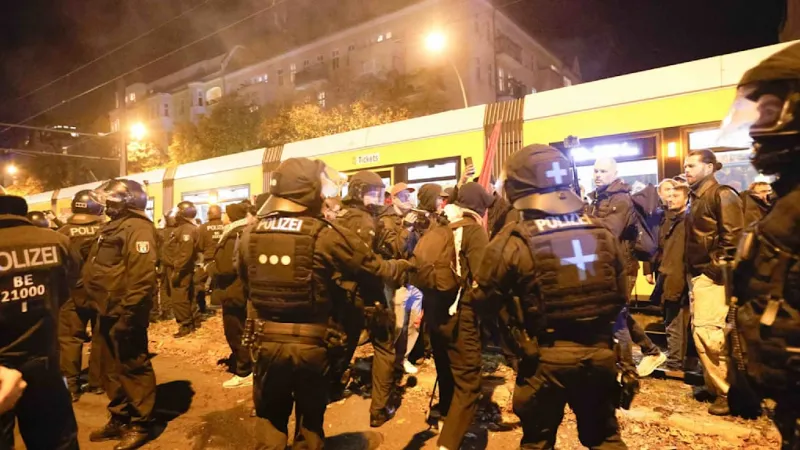
Frankfurt, Germany – Violent clashes erupted in the streets of Frankfurt late yesterday, transforming a youth demonstration into a scene of widespread destruction and looting. Following the conclusion of a march organized by the Gen Z regelt movement, perpetrators smashed shop windows and engaged in extensive property damage, leading to multiple arrests by police. The escalating chaos has drawn sharp political criticism, with leaders today announcing intentions for swift consequences.
The initial peaceful assembly, described as a protest by a youth advocacy group, concluded without incident. However, as participants dispersed, several pockets of individuals began engaging in disruptive and criminal behavior across the city center. Eyewitnesses reported groups targeting commercial establishments, shattering glass facades, and attempting to steal merchandise from stores.
Police forces, initially on standby for the demonstration, quickly mobilized to contain the burgeoning unrest. Officers made numerous arrests on the spot, detaining individuals caught in the act of vandalism and looting. The full extent of the damage is still being assessed, but preliminary reports indicate significant financial losses for local businesses already struggling in a challenging economic climate.
Responding to the unrest, Alexander Dobrindt, a prominent political figure, issued a stern condemnation. He specifically attributed the violence to “violent left-wing groups and thugs from the migrant milieu,” a statement that has since resonated across the German political landscape and ignited further debate regarding public safety and societal integration.
Dobrindt emphasized the need for decisive action against those responsible for the destruction, asserting that such lawlessness cannot be tolerated in German cities. His remarks underscore a growing sentiment among conservative politicians for stricter measures to curb urban disturbances and address the perceived root causes of such outbreaks.
In the immediate aftermath, government officials announced plans for a robust response, pledging to prosecute offenders to the fullest extent of the law. Local authorities also committed to increasing police presence in vulnerable areas and implementing strategies to prevent future occurrences of similar violence.
The incident in Frankfurt adds to a series of escalating public order concerns in various European cities. This particular event draws parallels to other instances where demonstrations have devolved into chaos, challenging police resources and prompting calls for more comprehensive security policies. The situation bears a striking resemblance to the earlier events where Frankfurt Descends Into Chaos: Post-Protest Violence Prompts Mass Arrests.
Business owners in the affected areas expressed shock and frustration, lamenting the destruction of their livelihoods. Many called for greater protection from authorities and swift compensation for their losses. The incident casts a shadow over the citys vibrant commercial districts, raising concerns about the long-term impact on local commerce and tourism.
Political analysts suggest that the Frankfurt riots will likely become a significant talking point in upcoming political debates, particularly concerning domestic security, immigration policy, and the role of youth activism. The strong language used by Dobrindt indicates a hardening stance from certain political factions against what they perceive as unchecked radicalism.
The police investigation is ongoing, with authorities reviewing security footage and collecting evidence to identify and apprehend additional perpetrators. Officials have urged any witnesses with information to come forward to assist in bringing those responsible for the extensive property damage and violence to justice.
The situation in Frankfurt serves as a stark reminder of the delicate balance between the right to peaceful protest and the imperative to maintain public order and safety. The political and social fallout from these riots is expected to continue for weeks, prompting further discussion and potential policy shifts within Germany.