Dodi Irawan
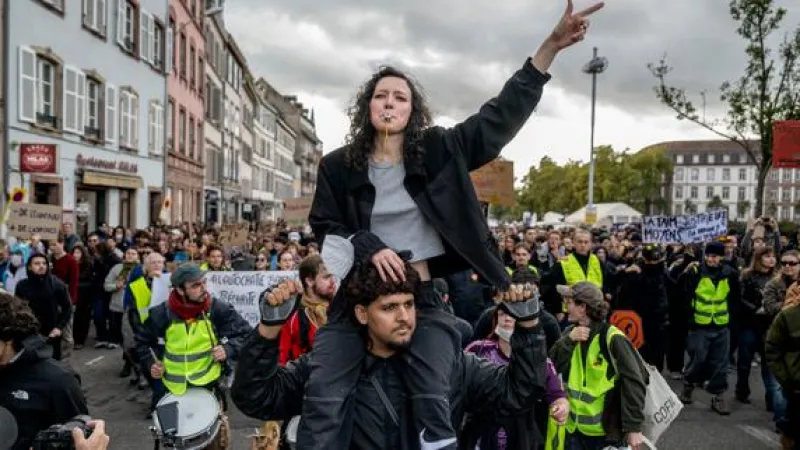
FRANCE – Hundreds of thousands of citizens mobilized across the nation on Saturday, taking to the streets in widespread protests against the escalating cost of living, while also advocating for high school students and public liberties. Despite last-minute logistical challenges in obtaining authorizations and finalizing routes, the demonstrations remained largely peaceful, though minor scuffles emerged in Nantes, Rennes, and Marseille late in the day.
Organizers reported a significant turnout, with approximately 410,000 people participating nationwide. The General Confederation of Labor (CGT), however, presented a much higher estimate, claiming some 800,000 individuals joined the marches, underscoring the broad scope of public discontent.
The weekend's mass action marked a notable display of collective expression, particularly in its predominantly calm demeanor. Authorities and observers alike pointed out that the scale of incidents remained minimal, especially when compared with more tumultuous past events.
A common sentiment articulated by participants highlighted the fundamental importance of civic engagement. As one organizer reportedly stated, “The right to demonstrate is as important as the right to vote,” reflecting a deeply held belief in direct public action as a core democratic pillar.
The primary grievance driving these widespread French protests revolved around the rising cost of living. French households face persistent inflationary pressures on essential goods, energy, and housing, eroding purchasing power and increasing economic insecurity for many.
Beyond economic concerns, demonstrators also voiced support for high school students, whose futures are often seen as directly impacted by economic policies and educational reforms. Protests for public liberties also featured prominently, signaling broader concerns about civil rights and governmental overreach.
The sporadic clashes reported in Nantes, Rennes, and Marseille involved small groups and were swiftly contained, preventing any significant escalation. These isolated incidents did not diminish the overarching peaceful character of the nationwide mobilization.
This latest wave of demonstrations builds upon a historical pattern of strong public dissent in France, where protests often serve as a vital mechanism for citizens to convey their grievances directly to the government. The intensity of public sentiment, particularly from younger generations, echoes similar movements seen across Europe. German youth, for example, have recently mobilized over conscription and rising costs.
The sheer volume of participants across various cities sends a clear message to political leaders regarding the urgency of addressing economic hardships. While specific government responses were not immediately detailed, the substantial turnout undeniably amplifies the pressure on policymakers to enact tangible solutions.
Support for high school students participating in the demonstrations aligns with broader calls for educational equity and reforms. Debates surrounding university access, such as the Parcoursup system, continue to fuel student activism, linking economic concerns with future opportunities.
The French government typically faces a delicate balance in managing such large-scale protests, aiming to uphold the right to demonstrate while ensuring public order. The largely peaceful nature of Saturday’s events suggests that authorities successfully navigated these complexities despite the last-minute nature of some planning.
Analysts suggest that continued economic strain, coupled with a perceived lack of responsive policies, could further invigorate social movements throughout the year. The unified front presented by various labor unions and citizen groups highlights a formidable opposition demanding governmental accountability.
These demonstrations serve as a powerful reminder of the enduring strength of grassroots movements in shaping national discourse and policy. The unwavering commitment to public participation underscores a collective desire for a more equitable and just society.