 Angel Doris
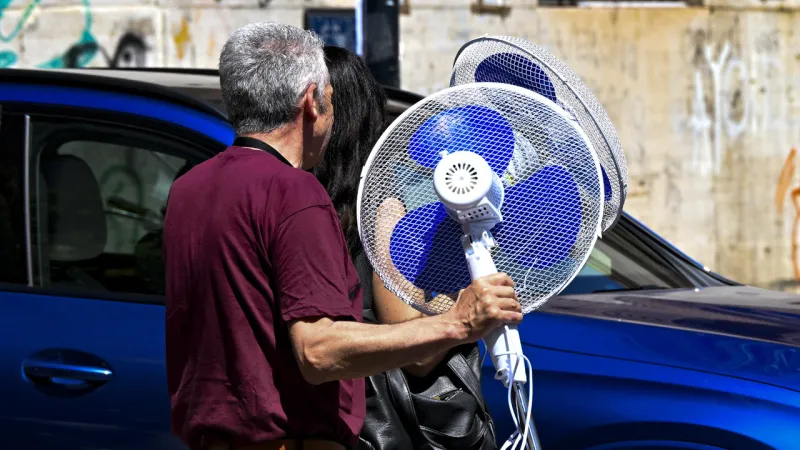
PARIS – Chaotic scenes unfolded across France this week as an anticipated heatwave spurred a frantic scramble for discounted cooling appliances at Lidl supermarkets, culminating in widespread brawls and the deployment of police to restore order. The discount retailer offered 200,000 fans and portable air conditioners at significantly reduced prices, igniting a surge of public demand that quickly devolved into pandemonium.
The unprecedented consumer rush began early Thursday morning, hours before store openings, with thousands queuing outside Lidl outlets from Marseille to Lille. Social media platforms quickly became saturated with videos depicting intense pushing, shouting, and physical altercations as doors opened and shoppers vied for limited stock. The Lidl France discount proved irresistible for many facing the prospect of stifling summer temperatures.
Witness accounts and police reports detailed scenes of aggressive competition for shopping carts and direct confrontations over the coveted appliances. In several locations, shelves were emptied within minutes, leaving many frustrated and contributing to the volatile atmosphere. The desperation for relief from the heat transformed ordinary retail environments into arenas of disarray.
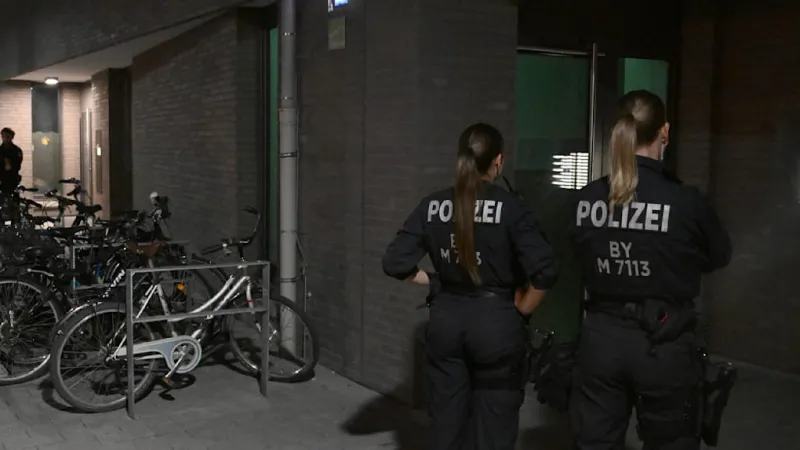
Local law enforcement agencies, already stretched thin, confirmed interventions at numerous Lidl stores. Officers were tasked with separating brawling individuals, managing overflowing car parks, and establishing perimeters to prevent further unrest. While no serious injuries were reported, the incidents underscored the public's heightened anxiety over climate conditions.
The impetus behind the extraordinary demand is the imminent arrival of a severe heatwave, predicted to sweep across France and much of Western Europe in the coming days. Meteorologists forecast record-breaking temperatures, intensifying concerns over public health and comfort, especially among vulnerable populations. This anticipation fueled the aggressive pursuit of affordable cooling solutions.
This incident is not isolated, but rather indicative of a growing trend. Similar frenzies have been observed in recent years during extreme weather events, particularly for essential items like water, generators, or, in this case, cooling devices. The Lidl France discount on these crucial items highlighted the preparedness — or lack thereof — of both consumers and retailers for such scenarios.
Critics suggest that retailers must better anticipate and manage high-demand sales of critical items during public emergencies or severe weather warnings. The strategy of offering a large volume of discounted products without adequate crowd control measures exacerbated an already tense situation, turning a sales event into a public order challenge.
Beyond the immediate chaos, the situation illuminates a broader socio-economic issue: the escalating cost of adapting to climate change. For many French households, energy-efficient air conditioning remains a luxury. The Lidl promotion offered a rare opportunity for affordability, driving the intense competition witnessed.
Government health advisories frequently stress the importance of staying cool during heatwaves, but practical solutions remain out of reach for many. The scenes at Lidl serve as a stark reminder of the disparities in access to essential climate adaptation tools, despite official warnings and public health campaigns.
The events have prompted discussions among consumer rights groups and public safety officials about the responsibilities of large retailers during periods of public urgency. Ensuring equitable access to crucial supplies, particularly as climate change intensifies, presents a complex challenge that extends beyond mere commercial transactions.
As France braces for the heatwave, authorities continue to issue warnings and advice for residents. The Lidl France discount chaos, while seemingly a retail story, reflects deeper societal anxieties and the urgent need for comprehensive strategies to manage the impacts of a warming planet on daily life.
The long-term implications for public procurement and disaster preparedness remain a significant concern. The scramble for cooling devices underscores a societal vulnerability that demands more robust planning from both private enterprises and governmental bodies to prevent future repetitions of such volatile scenes.
This retail phenomenon, driven by climate anxiety and economic pressure, represents a vivid microcosm of the challenges facing nations as they confront increasingly frequent and severe weather patterns. The question for policymakers and businesses alike is how to meet essential public needs without sparking disorder.