Dorry Archiles
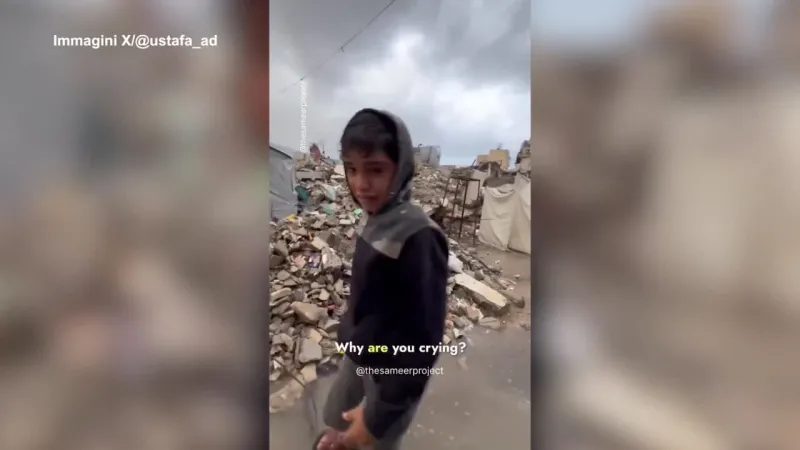
Gaza — Torrential rains have inundated tens of thousands of tents housing displaced persons across the Gaza Strip, exacerbating a severe humanitarian crisis in the besieged territory. The catastrophic flooding, which Hamas authorities report has affected vast swathes of temporary settlements, prompted a desperate outcry from a child who questioned the interminable suffering, "How much longer must we live this way?"
The unprecedented deluge transformed makeshift living areas into swamps, leaving families without shelter, potable water, and adequate sanitation. These conditions compound the already dire circumstances faced by hundreds of thousands who have sought refuge from ongoing conflict.
Hamas officials confirmed the extensive damage, highlighting the struggle to provide even basic necessities amidst the weather crisis. Their reports indicate that the sheer volume of displaced individuals, coupled with damaged infrastructure, renders relief efforts exceedingly difficult.
The poignant question from a child, whose identity remains unknown, encapsulates the profound despair gripping the civilian population. Their voice echoes the frustration and hopelessness experienced daily by those trapped in an escalating humanitarian disaster.
The Gaza Strip has endured a prolonged humanitarian emergency, characterized by chronic shortages of food, medicine, and clean water. Years of blockade and recent escalations in conflict have pushed its infrastructure to breaking point, leaving inhabitants highly vulnerable to natural disasters.
Medical facilities, already strained to their limits, now face an increased risk of waterborne diseases and respiratory infections among the displaced. The floods compromise hygiene further, potentially leading to outbreaks in overcrowded tent cities.
The consistent rainfall overwhelms Gaza's severely damaged drainage systems and sanitation networks. Even before the current conflict, these systems struggled, but widespread destruction has rendered many completely inoperable, worsening the flood's impact.
International aid organizations have repeatedly warned about the deteriorating conditions, calling for unimpeded access for humanitarian assistance. The current flooding amplifies these urgent pleas, demanding immediate global attention to prevent further loss of life and dignity.
With tents destroyed or uninhabitable, thousands are left without any form of protection from the elements. This creates a secondary displacement crisis within the existing one, forcing families to seek shelter wherever they can find it, often in equally precarious conditions.
The recurrent cycle of conflict and disaster leaves deep psychological scars, particularly on children. The lack of stability and constant threat to survival erode hope for a future free from hardship.
The international community faces renewed pressure to address the root causes of the crisis in Gaza and ensure the protection and well-being of its civilian population. Immediate relief, alongside sustained efforts for reconstruction and peace, remains critical.
The dire situation unfolds against a backdrop of complex geopolitical dynamics, which often impede effective humanitarian intervention. The plight of displaced individuals remains a central concern for global policymakers.
Agricultural land and what little infrastructure exists for food production are also susceptible to flood damage, threatening an already fragile food supply chain and pushing more families toward starvation.
With schools often repurposed as shelters or damaged themselves, the floods further disrupt education for thousands of children, denying them a crucial pathway out of poverty and conflict.
The anonymous child's simple yet profound question, "How much longer must we live this way?", serves as a stark reminder of the human cost of prolonged conflict and inadequate humanitarian support. It is a direct challenge to the world's conscience.