 Debby Wijaya
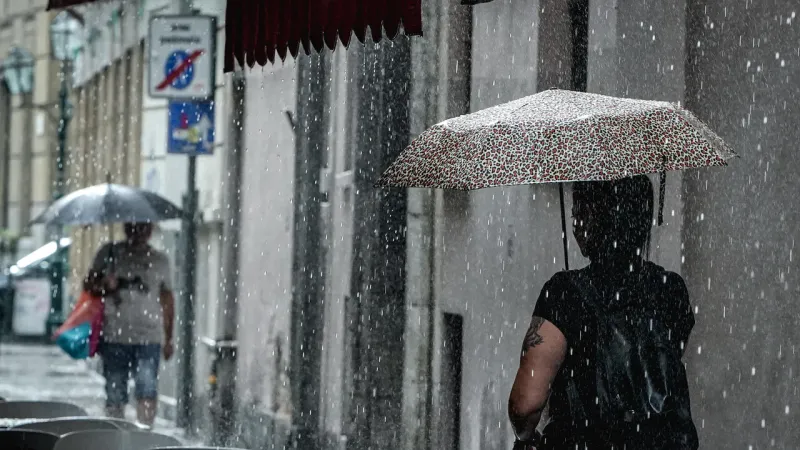
After enduring weeks of unrelenting heat, Italy is poised for a dramatic shift in its atmospheric conditions next week, as iLMeteo.it forecasts widespread thunderstorms and a significant drop in temperatures across the nation. This meteorological transition signals the end of a prolonged period of high temperatures that gripped the peninsula, bringing much-needed relief but also potential for severe weather events.
The preceding weeks saw Italy grapple with intense heatwaves, driving millions to seek respite from soaring mercury levels. This period, characterized by persistent anticyclonic conditions, notably impacted tourism and daily life. During the recent Ferragosto heatwave, for example, an estimated 1.6 million tourists sought cooler climes in the Italian mountains, highlighting the severity of the prolonged high temperatures.
Meteorological models from iLMeteo.it indicate that the perturbation will primarily affect northern Italy initially, bringing with it heavy rainfall, intense lightning, and strong gusts of wind. The atmospheric instability is expected to gradually move southward throughout the week, extending the reach of these stormy conditions to central and potentially southern regions.
Temperatures are projected to fall by several degrees Celsius, in some areas by as much as 10-15 degrees from their recent peaks. This substantial decrease will bring conditions more aligned with typical autumn weather, a welcome change for many residents and visitors fatigued by the relentless summer heat. The suddenness of this transition, however, necessitates preparedness for cooler, wetter conditions.
The abrupt shift in Italy weather patterns carries implications beyond personal comfort. Dry soil conditions, a consequence of the extended heatwave, could heighten the risk of flash floods and landslides in areas experiencing concentrated, heavy downpours. Agricultural sectors, already stressed by drought in certain regions, may face challenges from sudden deluges or hailstorms, impacting harvest cycles.
iLMeteo.it, a prominent national weather service, has been diligently monitoring the evolving atmospheric dynamics, issuing regular updates to the public. Their meticulous tracking of frontal systems and pressure changes provides crucial lead time for communities and emergency services to prepare for potential hazards associated with the impending storms.
Authorities are urging citizens to exercise caution, particularly those living in low-lying areas or near riverbeds. Advice includes securing outdoor objects, avoiding non-essential travel during peak storm activity, and staying informed through official weather advisories. The transition underscores the importance of public vigilance in the face of dynamic Italy weather.
Italy has a history of experiencing significant seasonal shifts, often marked by the dramatic arrival of autumn weather following intense summer heat. While such transitions are not entirely unprecedented, the intensity and duration of recent heatwaves, followed by potentially severe storms, prompt increased scrutiny of broader climatic trends.
The observed variability in Italy weather, including prolonged heat followed by intense precipitation, aligns with scientific discussions regarding climate change impacts. While no single event can be directly attributed, the increased frequency and intensity of extreme weather phenomena are consistent with projected alterations in global atmospheric patterns, making accurate forecasting and public adaptation more critical than ever.
As the nation prepares for a significant meteorological shift, the focus remains on adapting to the cooler, stormier conditions. The end of the summer's stifling heat is anticipated with relief, yet it arrives with a new set of challenges that require continued awareness and proactive measures from both authorities and the public to navigate the altered Italy weather landscape successfully.