 Angel Doris
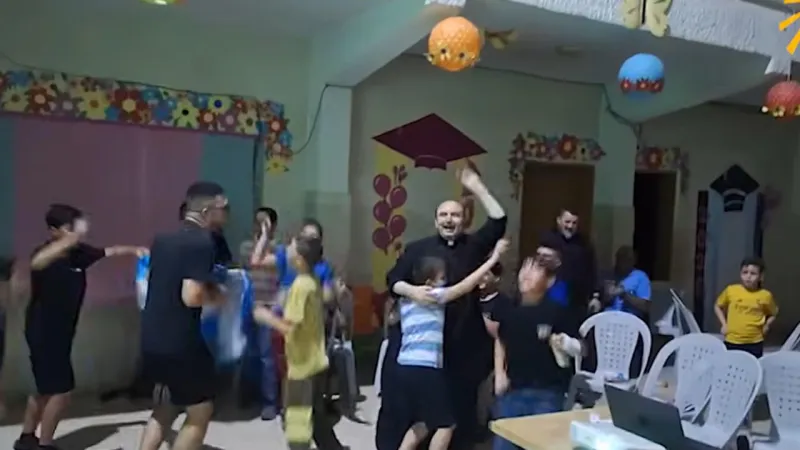
The impoverished Gaza Strip found a rare moment of collective euphoria as residents rallied behind the spectacle of the World Cup, transforming streets into vibrant canvases of flags and tifo to celebrate global football icon Lionel Messi. This fleeting joy offered a poignant respite from the pervasive hardships that define daily life in the besieged territory.
The vivid display of fandom, characterized by exuberant cheers and draped banners, centered particularly around matches involving Argentina, spearheaded by their talismanic captain. It became a powerful, albeit temporary, diversion, uniting diverse segments of the population in a shared passion for the beautiful game.
Among those witnessing this surge of spirit was Father Romanelli, an individual whose personal narrative bridges continents. Born in Buenos Aires, the birthplace of Messi himself, Father Romanelli offered a unique perspective on the phenomenon unfolding in Gaza.
His presence underscored the universal appeal of football, transcending geographical and political boundaries. For many, his Argentine heritage served as a symbolic link, deepening the local connection to Messi's on-field exploits.
Observers noted the stark contrast between the grim realities of Gaza and the infectious optimism that the World Cup engendered. Homes, often damaged or in precarious conditions, momentarily glowed with the light of televisions broadcasting the international tournament.
The fervent support for Messi reflects a broader human desire for heroes and triumphs, especially in contexts where daily life presents relentless challenges. His skill and leadership on the pitch provide a narrative of victory and possibility.
Local vendors reported a noticeable, if modest, increase in sales of Argentine jerseys and flags, signaling the extent to which the football fever had gripped the territory. These items became symbols of solidarity and a means for residents to express their shared enthusiasm.
This burst of collective happiness, however transient, highlighted the human capacity for resilience and the pursuit of normalcy even under extraordinary duress. The simple act of watching a football match became an assertion of life.
The World Cup, a quadrennial global event, consistently demonstrates its power to unite, to inspire, and to offer glimpses of shared humanity. From distant corners of the globe to regions like Gaza, its influence is undeniable.
The tournament's broader narrative often includes stories of unexpected joy and profound disappointment, much like those captured by the Shakira Unites Colombia in World Cup Heartbreak, Diaz Tears Echo Nations Pride article detailing the emotional highs and lows. Similarly, the global excitement for the tournament, as seen in the New European Wave Sweeps World Cup Quarterfinals; Goal Bonanza Beckons report, resonated even within Gaza's confines.
The celebration for Messi also offered a poignant counterpoint to the ongoing struggles faced by Gaza's populace. Despite chronic shortages and humanitarian concerns, the spirit of community found expression through shared sporting passion.
Even as humanitarian organizations continue their vital work and political discussions unfold, moments like these serve as crucial reminders of the everyday lives and aspirations of ordinary people. The World Cup allowed for a collective sigh of relief, however brief.
The phenomenon is not unique to Gaza. Throughout various conflict zones and marginalized communities worldwide, sport has often served as a vital psychological balm, fostering a sense of belonging and collective identity.
It speaks to the universal language of sport, capable of bridging divides and momentarily overshadowing the most entrenched conflicts. The cheers for Messi were not just for a player, but for an ideal of triumph against odds.
The flags waving in Gaza were more than just national symbols; they represented hopes, dreams, and a shared connection to a world beyond their immediate circumstances. They were symbols of defiance against despair, however momentary.
This collective outpouring of emotion stands alongside other narratives of endurance from the region, such as the resilience documented in reports like Resilience in Rubble: Gaza Youth Marry in Refugee Tents, showcasing the unwavering human spirit in challenging environments.
As the World Cup progresses, or indeed concluded, the memory of these moments of joy in Gaza will linger, a testament to the enduring power of human spirit and the unifying force of global sport.
The World Cup, therefore, became more than a series of football matches in Gaza; it transformed into a cultural phenomenon that offered solace, fostered unity, and provided a brief, vibrant escape from an otherwise arduous existence.