 Debby Wijaya

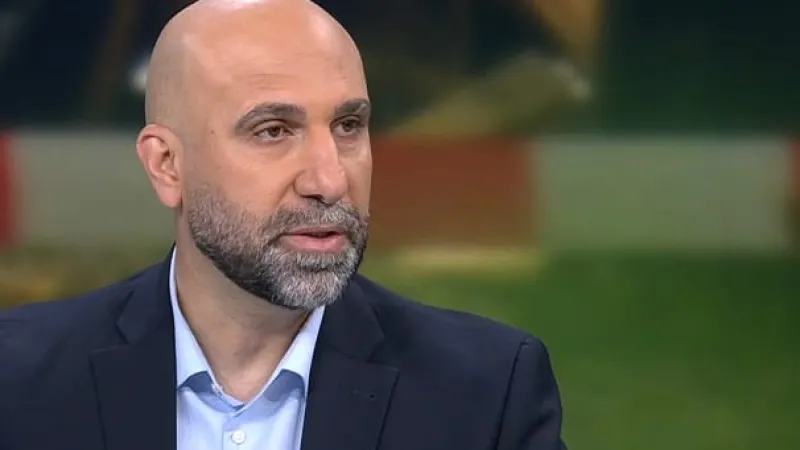
Southampton, England – German football coach Tonda Eckert has publicly revealed receiving death threats and being advised against driving himself following a contentious spy affair that allegedly cost FC Southampton a crucial promotion to the Premier League. Eckert, who has openly accepted responsibility for the strategic decision at the heart of the controversy, detailed the harrowing personal impact in a recent interview, drawing attention to the severe pressures facing figures in professional sports.
The scandal, which surfaced during a critical juncture of the football season, centered on allegations of espionage against rival teams, a breach of sporting conduct that cast a long shadow over the club's aspirations. While specific details of the alleged espionage remain under wraps, the fallout was immediate and severe, contributing to Southampton's failure to secure a coveted spot in the Premier League.
Eckert did not shy away from accountability, stating that he takes full responsibility for the decisions made. This admission, intended perhaps to temper public outrage, instead appears to have made him a focal point for the frustration and anger of disappointed fans.
“I was advised not to drive myself,” Eckert recounted, highlighting the palpable fear and concern for his personal safety. This stark recommendation underscores the serious nature of the threats received, transcending mere criticism to impact his daily life and sense of security.
The intensity of fan passion in English football, while a driving force behind the sport's global appeal, can sometimes manifest in extreme and unsettling ways. The current situation involving Eckert serves as a grim reminder of the thin line between fervent support and outright intimidation.
Sources close to the club indicate that while internal discussions about increased security measures for personnel are ongoing, public statements have been kept minimal to avoid escalating tensions further. The club faces the delicate task of protecting its staff while also addressing the disappointment among its loyal fanbase.
This incident is not isolated in the world of professional sports, where coaches and players frequently report online abuse and, occasionally, physical threats. It reignites the broader conversation about the mental health and safety of individuals in high-pressure public roles.
For Eckert, the personal toll extends beyond professional setbacks. The need for constant vigilance and the fear instilled by anonymous threats represent a profound disruption to his personal and family life, casting a pall over what should be a career defined by strategic brilliance and dedication.
The ramifications of such behavior extend beyond the immediate victims, potentially deterring talented individuals from entering or remaining in leadership positions within sports. No coach should have to fear for their life or wellbeing for decisions made on the field or in the boardroom.
As the football community grapples with the aftermath, calls for stricter measures against those who issue threats are likely to intensify. Ensuring a safe environment for all participants in professional sports remains a paramount challenge, with incidents like Eckert's serving as a stark warning of the consequences of unchecked aggression.