 Dorry Archiles
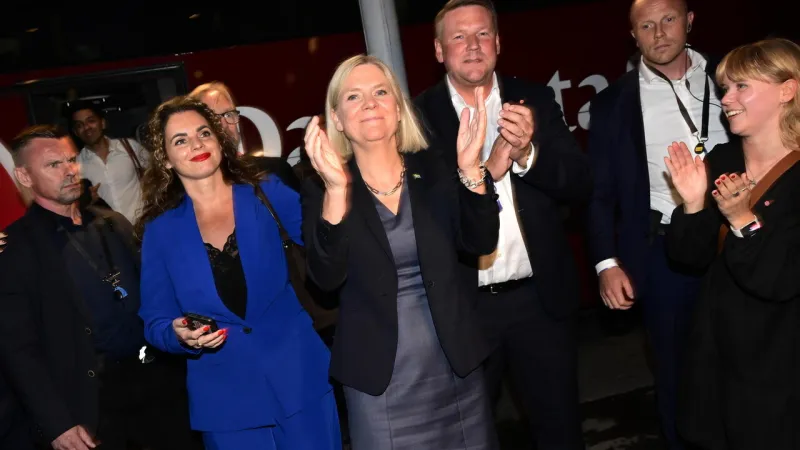
STOCKHOLM – The Swedish center-left bloc currently holds a wafer-thin lead, projected by the national public broadcaster Svt, as vote counting in the general election approaches its midpoint. With just one seat separating the two major political coalitions, the final outcome remains highly uncertain, while the far-right bloc experiences a notable setback. This nail-biting scenario indicates a deeply divided electorate and portends complex post-election negotiations for any prospective government.
The preliminary results, though not definitive, suggest a significant shift from earlier expectations or even initial tallies. Political analysts across the spectrum emphasize the volatility of results during the counting process, especially in a system where coalition building is paramount. The current projection puts the center-left, typically led by the Social Democrats, marginally ahead of the rival right-leaning coalition.
Observers note the particular challenges for the far-right Sweden Democrats, who appear to be losing ground compared to their robust performance in previous electoral cycles. This retreat, if confirmed by final figures, could reshape the dynamics of power within the right bloc and potentially ease concerns among mainstream parties about their growing influence. Earlier reporting, such as Swedish Center-Left Eyes Victory; Far-Right Akesson Sees Setback, had already hinted at a challenging path for the far-right.
The prospect of a hung parliament looms large, making the formation of a stable government a formidable task. Swedish politics has a history of intricate coalition arrangements, often involving multiple parties making concessions to form a working majority. This tight Swedish election further underscores the fragmented political landscape prevalent across many European nations.
Party strategists on both sides are undoubtedly scrutinizing every ballot, understanding that a handful of votes could tip the balance. The Social Democrats, led by figures like Magdalena Andersson in recent history, often champion welfare state principles and social equality. Their ability to secure a governing mandate rests heavily on the final count. Reports from earlier in the process, including Andersson's Center-Left Takes Early Lead in Sweden Election, documented the early lead that has now narrowed considerably.
Conversely, the right bloc, which includes conservative and liberal parties alongside the Sweden Democrats, aims to present a united front to challenge the center-left's long-standing dominance. The performance of each constituent party within this alliance will dictate their collective bargaining power should a coalition be formed.
The stakes in this Swedish election extend beyond domestic policy. Sweden holds an important position in the European Union and on the global stage, especially concerning climate policy, defense, and social welfare models. A shift in government could influence its stance on international cooperation and regional security.
As the counting continues into the night, political leaders and citizens alike await the definitive results with bated breath. The process, known for its meticulousness, ensures every vote is accounted for, reflecting the democratic principles enshrined in the nation's constitution. The initial projections from Svt provide a crucial, albeit preliminary, glimpse into the electorate's will.
This extremely close contest highlights a trend of increasing political polarization and voter fluidity witnessed in many democratic nations. Citizens are increasingly willing to shift their allegiances, leading to less predictable electoral outcomes and making governing more complex.
The eventual formation of a government will require extensive negotiations, likely spanning days or even weeks. Leaders will engage in delicate balancing acts, seeking common ground on critical issues such as economic stability, immigration, and environmental protection, all while attempting to satisfy their respective voter bases in the wake of such a closely fought Swedish election.