Chris Robert
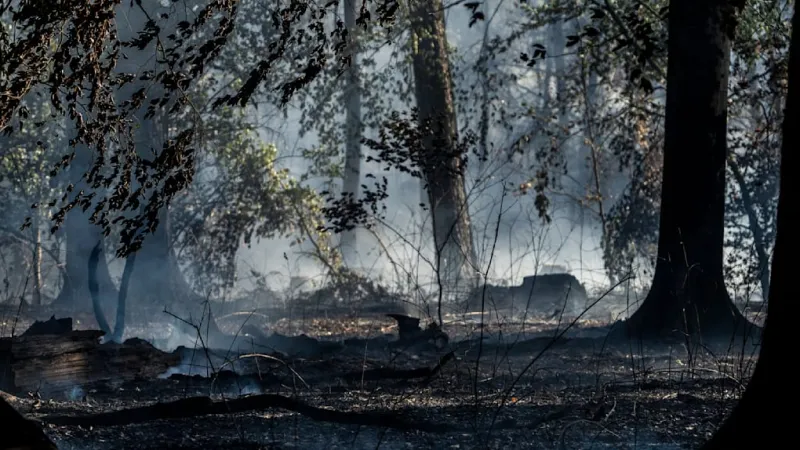
Main-Kinzig-Kreis, Germany – Amidst a deepening environmental crisis, authorities in the German state of Hessen have issued an urgent appeal to residents of Main-Kinzig-Kreis: cease showering immediately to conserve rapidly dwindling water reserves. This drastic measure comes as thousands of square meters of forest burn uncontrollably across the region, severely straining local water supplies.
The wildfires, which have ravaged expansive forested areas for days, demand significant quantities of water for firefighting efforts, drawing heavily from municipal sources. This relentless consumption, coupled with prolonged dry spells, has pushed the region's water infrastructure to a precarious brink.
Water utility providers in the affected district express grave concern over the unprecedented strain on their resources. A spokesperson, speaking anonymously due to ongoing crisis management, indicated, "Our reservoirs are reaching critical lows. Without immediate, collective conservation efforts, we face the prospect of more severe restrictions."
The situation in Main-Kinzig-Kreis is emblematic of a broader struggle across Germany with escalating water scarcity. The nation has witnessed alarming environmental shifts, including Rhine's Historic Lows Force Production Cuts, Threaten German Supply Chains, a situation that has impacted vital transport and industrial operations.
The call to halt showering underscores the severe impact of the crisis on everyday life. Beyond personal hygiene, residents may soon face limitations on other water-intensive activities, from laundry to gardening, further disrupting routines and livelihoods.
While the directive is an appeal rather than a legally binding ban, local officials are emphasizing the imperative of public cooperation. Initial reports suggest a mixed response, with many residents acknowledging the severity of the situation and adjusting their habits accordingly, while others express frustration.
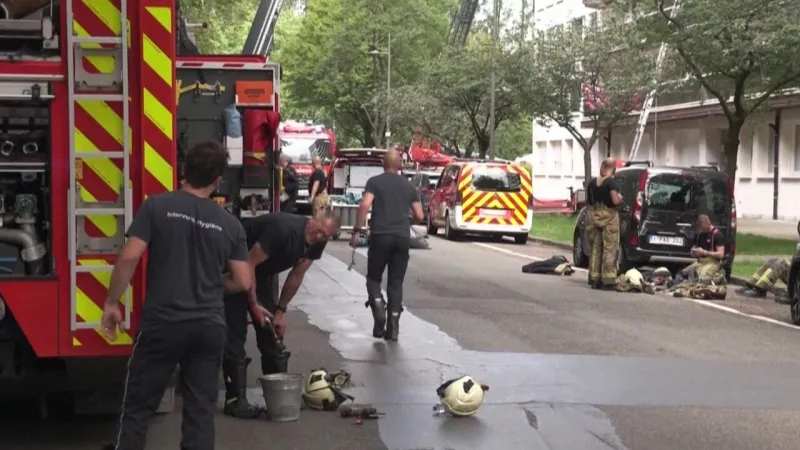
Emergency services are coordinating efforts to combat the persistent forest fires, deploying additional personnel and equipment. Simultaneously, regional governments are exploring supplementary water procurement methods, though immediate solutions remain challenging given the scale of the depletion.
Experts attribute the increasing frequency and intensity of such events to climate change, warning that without robust long-term strategies, Germany and other European nations will face recurring and more severe water shortages. The current crisis highlights the urgent need for investment in resilient water management systems.
The regional government of Hessen has convened emergency meetings to address the escalating crisis, seeking both immediate relief and sustainable solutions. Discussions reportedly involve federal agencies to assess potential support and coordinate a broader national response to environmental challenges.
Neighboring regions and even countries across Europe have grappled with similar drought conditions and wildfires in recent years, demonstrating a continent-wide vulnerability. This collective experience reinforces the need for transnational cooperation on climate adaptation strategies.
The sustained water shortage, if unmitigated, poses significant economic threats beyond direct firefighting costs. Agricultural sectors, already sensitive to weather fluctuations, could face crop failures, and industries reliant on stable water supplies may experience operational disruptions.
In response to the crisis, some local communities within Main-Kinzig-Kreis have initiated their own water-saving campaigns, sharing tips and resources to help neighbors reduce consumption. These grassroots efforts underscore a growing sense of collective responsibility.
Climatologists have long projected an increase in extreme weather events for central Europe, including hotter, drier summers conducive to widespread fires and prolonged droughts. The current scenario aligns starkly with these scientific warnings, emphasizing the immediacy of climate action.
The duration of the shower prohibition and the overall water conservation efforts depend heavily on weather patterns, particularly the onset of significant rainfall, and the success of ongoing firefighting operations. Until then, citizens of Main-Kinzig-Kreis must navigate this unprecedented call for collective sacrifice.