 Edward DP Situmorang
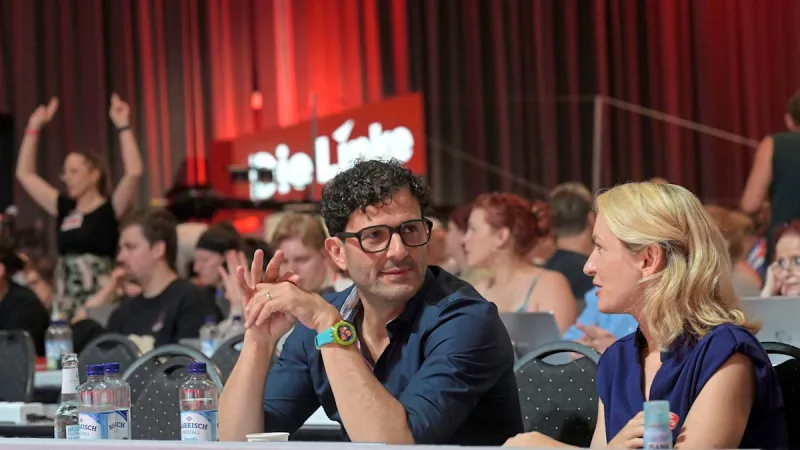
GERMANY – Prominent German columnist Jan Fleischhauer has issued a strong critique of the Left Party following its recent party conference, asserting that the political faction has embraced increasingly radical positions and adopted a confrontational rhetoric that labels opponents as "criminals" rather than mere "systemlings."
Fleischhauer, known for his incisive commentary, highlighted a significant shift in the party's internal discourse and public posture. According to his observations, the nuanced criticism of the past has been replaced by starker, more aggressive language targeting those with differing viewpoints.
He directly quoted the party's alleged new approach, stating, "At the Left Party, it is no longer systemlings but criminals." This declaration underscores a perceived escalation in the party's vilification of political adversaries, moving beyond ideological disagreement to outright condemnation.
The columnist further emphasized the gravity of this rhetorical change by invoking the metaphor of a "firewall," or "Brandmauer" in German, a term often used in political discourse to denote a barrier against cooperation with extremist parties. Fleischhauer asserted, "Whoever does not want to talk about the Left Party in the future must remain silent before the firewall."
This statement suggests that the party's new radical stance creates an untenable position for any political entity seeking dialogue or collaboration, effectively isolating them through their own extreme rhetoric.
The Left Party, or Die Linke, has historically grappled with internal divisions between its more moderate and radical wings. Its roots in East German communism and West German protest movements have always presented challenges in maintaining a cohesive identity within the broader German political spectrum.
Fleischhauer's criticism comes at a time when political discourse across Germany appears increasingly polarized. Concerns about the erosion of democratic norms and the rise of confrontational language are prevalent, with various figures warning about the state of national debate. For instance, Markus Söder recently warned Germany was at a tipping point, drawing parallels to the Weimar Republic.
The implications of such rhetoric are profound. Labeling political opponents as criminals can delegitimize democratic processes, foster distrust, and potentially incite hostility. It blurs the lines between political opposition and actual criminality, making constructive engagement exceptionally difficult.
For the Left Party itself, this adoption of harsher language could be a double-edged sword. While it might energize its most radical base, it risks alienating potential voters from the center-left and further marginalizing the party in mainstream German politics, potentially solidifying its image as an outsider force.
Other established parties in Germany typically shun such confrontational terminology, recognizing the importance of maintaining a civil, albeit robust, political debate. The alleged shift by the Left Party could therefore widen the chasm between them and other parliamentary groups.
The commentary by Fleischhauer serves as a potent reminder of the ongoing scrutiny political parties face regarding their language and ideological direction. It highlights how words, especially in the political arena, carry significant weight and can profoundly shape public perception and the overall health of a nation's democracy.
The unfolding situation underscores a critical juncture for the Left Party as it navigates its identity and relevance within a dynamic and increasingly fragmented German political landscape, facing scrutiny over the very foundation of its public communication.