Robert Andrison
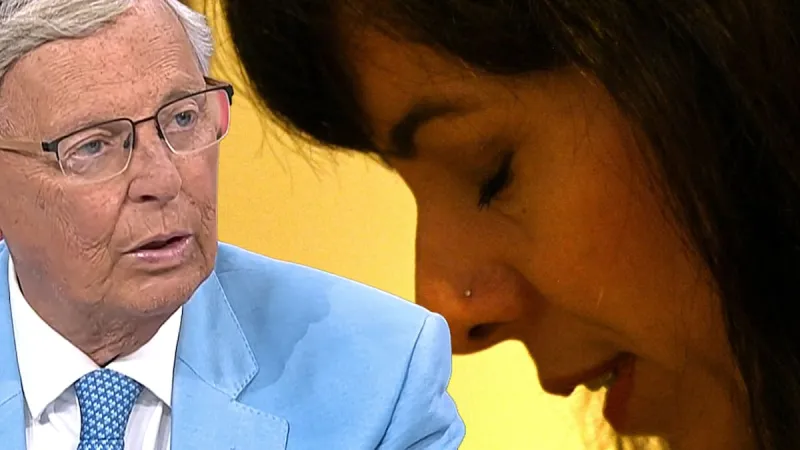
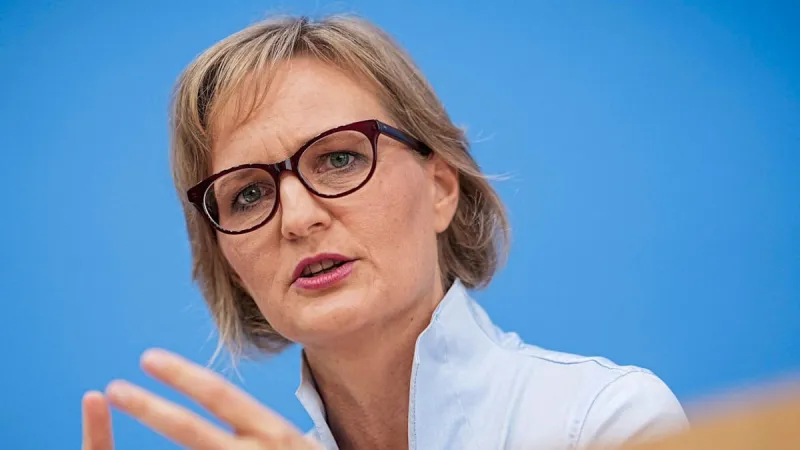
BERLIN – A confidential internal document has exposed German Left Party politician Elif Eralp expressing significant apprehension regarding individuals sympathetic to Hamas, prompting a swift and pointed rebuke from CDU veteran Wolfgang Bosbach.
The revelation, originating from a paper reportedly intended solely for internal party circulation, underscores deep divisions and anxieties within the German political landscape concerning Middle Eastern conflicts and domestic radicalization.
Eralp, a prominent figure within The Left party, articulated fears about Hamas sympathizers in her communication, the specifics of which remain under wraps but have nevertheless triggered a national debate.
Wolfgang Bosbach, a long-serving politician known for his direct commentary, wasted no time in publicly condemning Eralp's perceived inability to manage elements within her party or its orbit. "Eralp has her troop not under control," Bosbach stated, directly translated from his original critique.
Bosbach's remarks echo a well-known German proverb, "Die Geister, die ich rief," which translates to "The spirits I summoned." This phrasing implies that Eralp may be grappling with consequences or unintended outcomes stemming from policies, rhetoric, or affiliations previously embraced by her party or its constituents.
The internal document's existence and content bring into sharp focus the perennial challenge faced by German political parties in navigating complex geopolitical issues, particularly those touching upon the Israeli-Palestinian conflict and the presence of extremist ideologies.
Observers note that The Left party has often faced scrutiny over its nuanced, and sometimes controversial, positions on international affairs. This latest development threatens to exacerbate internal fissures and external pressures.
Political analysts suggest that Eralp's reported fears, even if confined to an internal document, could significantly damage the party's credibility and its efforts to present a unified front on national security and foreign policy. It highlights a potential disconnect between leadership and certain segments of their base or affiliated groups.
The broader implications extend beyond intra-party dynamics. The disclosure intensifies public discourse on the extent of Hamas sympathy within Germany and the vigilance required from law enforcement and political institutions. This incident, for instance, naturally feeds into wider discussions concerning security measures and police powers, as explored in recent articles like German Left Politician Fears Hamas, Sparks Debate Over Police Powers.
The condemnation from a seasoned politician like Bosbach, who possesses extensive experience in security and internal affairs, carries considerable weight. His assessment points to a perceived leadership vacuum or a deliberate turning of a blind eye, neither of which bodes well for Eralp's political standing.
For years, German authorities have monitored extremist activities and foreign influence operations within the country. The acknowledgement of such fears from within mainstream political circles underscores the persistent nature of these challenges.
The episode forces The Left party to confront difficult questions about its internal vetting processes and its public communication strategy regarding sensitive topics. Transparency and a clear stance against all forms of extremism are now more imperative than ever.
As the political fallout continues to unfold, the incident serves as a stark reminder of the complexities inherent in managing a diverse political movement while upholding core democratic values and ensuring national security.
The leadership of The Left party has yet to issue a comprehensive public statement directly addressing the content of Eralp's document or Bosbach's criticism, leaving many questions unanswered regarding their official position on these burgeoning fears.
This controversy arrives amidst a period of heightened geopolitical tension, making the internal cohesion and explicit stance of political parties on matters of international terrorism and radicalization more critical than ever before for German stability.
Eralp's reported concerns and Bosbach's sharp critique paint a vivid picture of the delicate balance German politics must strike between ideological freedom and safeguarding democratic principles against extremist inroads.