Angel Doris
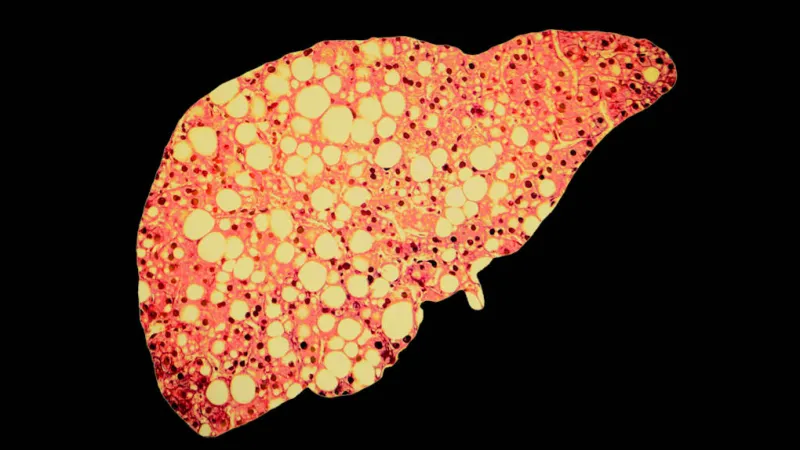
BERLIN – Fatty liver disease has emerged as a rapidly escalating public health crisis among young adults in Germany, with prevalence surging by nearly 60 percent among individuals under 40 between 2016 and 2025. This alarming rise, documented in a recent media report, indicates a significant shift in the demographic affected by a condition traditionally associated with older populations, posing substantial long-term health challenges.
The concerning data highlights a profound change in the health landscape, as non-alcoholic fatty liver disease (NAFLD) is increasingly afflicting a younger cohort. Historically, such conditions were primarily observed in middle-aged and elderly individuals, often linked to decades of unhealthy lifestyle choices.
NAFLD refers to a spectrum of liver conditions characterized by the accumulation of excess fat in liver cells not caused by alcohol consumption. It ranges from simple steatosis, where fat buildup is relatively benign, to non-alcoholic steatohepatitis (NASH), a more aggressive form involving inflammation and liver cell damage.
If left unchecked, NASH can progress to serious complications, including fibrosis, cirrhosis, and liver failure, which may necessitate a liver transplant. It also significantly increases the risk of hepatocellular carcinoma, a type of liver cancer.
Medical experts attribute this upward trend in younger demographics largely to modern lifestyle factors. These include a rise in sedentary behavior, increased consumption of highly processed foods, sugary drinks, and larger portion sizes, all contributing to widespread obesity and type 2 diabetes.
The profound increase suggests a societal shift in dietary habits and physical activity levels among younger generations. The period between 2016 and 2025 witnessed significant changes in daily routines, including a greater reliance on digital entertainment and less engagement in active pursuits.
Beyond liver damage, fatty liver disease is closely linked to other metabolic disorders, such as insulin resistance, dyslipidemia, and cardiovascular diseases. Its early onset in life could translate into a lifetime of chronic health issues for these individuals, placing an immense burden on both personal well-being and national healthcare systems.
The ramifications for Germany's public health infrastructure are considerable. An increase in liver-related hospitalizations, advanced liver disease management, and ultimately, a greater demand for liver transplants, will strain resources and financial capacity.
Public health campaigns and educational initiatives become crucial in reversing this trend. Emphasizing the importance of balanced nutrition, regular physical activity, and maintaining a healthy weight from a young age is paramount.
Early detection through routine medical checkups and screening, particularly for those with risk factors like obesity or prediabetes, could enable timely interventions. Lifestyle modifications, often simple yet profound, can halt and even reverse the progression of NAFLD in its earlier stages.
Addressing this growing epidemic requires a multi-faceted approach involving healthcare providers, policymakers, educational institutions, and food industry stakeholders. Collaborative efforts are essential to foster environments that support healthier choices for all age groups, particularly the vulnerable younger population.
The alarming 60 percent rise among individuals under 40 serves as a stark warning, demanding immediate and concerted action to safeguard the long-term health of Germany's younger generations and mitigate the future strain on its healthcare system.