 Dorry Archiles
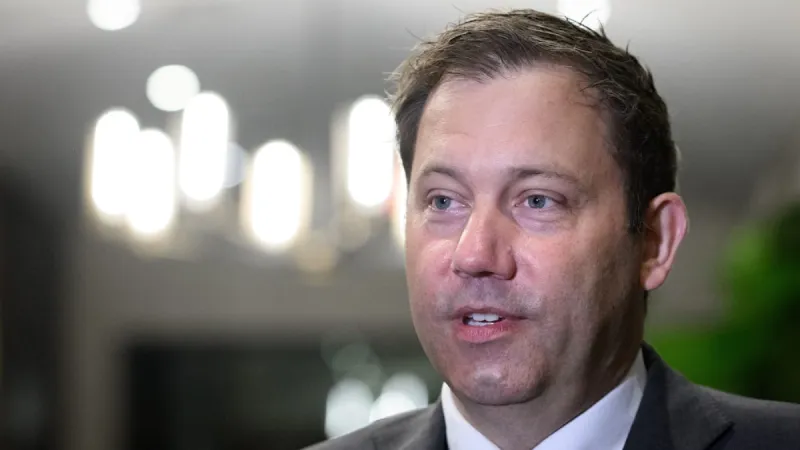
BERLIN – German Finance Minister Lars Klingbeil has forcefully defended the recently enacted tax reform package while simultaneously signaling intentions to implement higher taxes on substantial inheritances and top earners. These measures, the minister indicated, aim to finance further economic relief for households with small and medium incomes, addressing what he perceives as an imbalance in the nations taxation of wealth.
Klingbeil articulated his vision for a more equitable fiscal landscape, asserting that the current system allows billions to be inherited annually without being taxed justly. His comments underscore a growing political will within Germany to re-evaluate how wealth transfer and high incomes contribute to the national treasury.
The proposed adjustments arrive at a critical juncture for the German economy. The government seeks to balance fiscal stability with the need to alleviate financial pressures on its citizens, particularly those in the middle and lower income brackets. The ongoing economic landscape necessitates innovative approaches to public finance.
Under the finance ministers plan, large inheritances would face increased taxation, a move designed to capture a greater share of the significant wealth transferred across generations. This policy targets substantial assets rather than modest family inheritances, aiming to impact the wealthiest segments of society.
Parallel to this, Klingbeil also floated the idea of increasing the tax burden on top earners. This dual strategy aims to generate additional revenue streams that can be directly channeled into programs and initiatives benefiting a broader cross-section of the German populace.
The defense of the existing German tax reform package, which has been the subject of debate, suggests a government committed to its fiscal strategy despite public scrutiny. This strategy emphasizes a progressive approach to taxation, where those with greater capacity contribute more to collective welfare.
Critics have previously characterized certain governmental fiscal measures as a burden, as highlighted by reports like German Tax Package Decried As Tax Burden, Outward Lie. Klingbeils recent statements seek to counter such narratives by framing the current and proposed reforms as steps towards fairness and broader economic support.
These proposals align with the broader Social Democratic Partys (SPD) long-standing commitment to social justice and redistribution of wealth. The SPD, a key partner in the ruling coalition, often champions policies that aim to narrow the income gap and strengthen social cohesion.
Implementing such significant changes to the German tax code will undoubtedly require extensive parliamentary debate and negotiation within the ruling coalition. Achieving consensus on wealth and inheritance taxation often proves challenging, given the diverse economic interests at play.
Nevertheless, the finance ministers assertive stance indicates that these considerations are firmly on the political agenda. The administration views these reforms as fundamental to fostering a society where economic prosperity is shared more equitably and where public services are adequately funded through a fairer taxation system.
The implications of these proposed changes extend beyond mere revenue generation; they signify a philosophical shift in Germanys approach to wealth and social responsibility. The government is signaling its intent to actively shape the distribution of economic benefits.
As the discussions unfold, public opinion and economic analysis will play crucial roles in shaping the final legislative outcomes. The impact on investment, entrepreneurship, and capital flight will be closely monitored by policymakers and industry experts alike.
This initiative by Finance Minister Klingbeil represents a pivotal moment in German fiscal policy. It lays the groundwork for a comprehensive re-evaluation of how wealth is accumulated, transferred, and taxed within one of Europes largest economies, with a clear focus on achieving greater social and economic equity for all citizens.