 Chris Robert
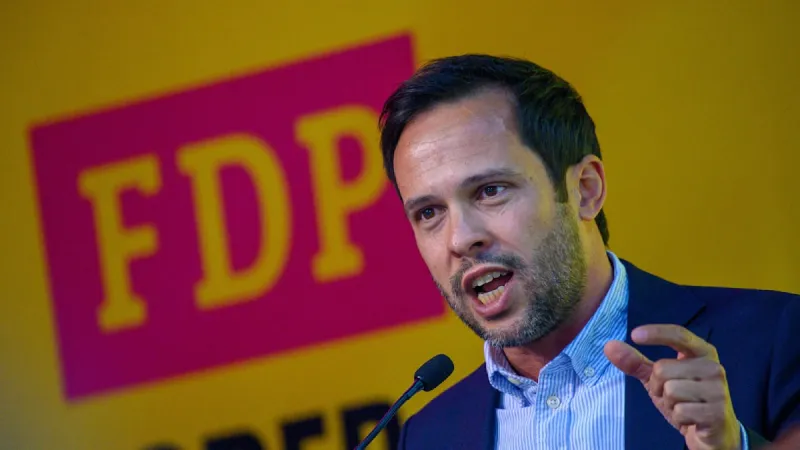
BERLIN — Germany is facing increasing political pressure to re-evaluate its substantial overseas spending on development aid and gender projects. Critics, notably FDP General Secretary Martin Hagen, argue these millions should instead bolster the nation's struggling domestic economy amidst a period of weak growth. The ongoing debate highlights a tension between international obligations and national economic imperatives, drawing sharp lines for fiscal policy.
Hagen articulated a strong dissent, stating, "The money should be invested here and not abroad." His remarks underscore a growing sentiment among a segment of the German political spectrum that domestic priorities must take precedence, especially when the national economy shows signs of stagnation. The sentiment suggests a potential shift in the nation's long-standing approach to international contributions.
Germany, a stalwart of global development, has historically committed significant financial resources to aid initiatives worldwide. These projects span various sectors, from infrastructure development in emerging economies to programs promoting gender equality and women's empowerment across continents. The nation's dedication to these causes has often been lauded on the international stage.
However, the domestic economic landscape presents a contrasting picture. Forecasts indicate persistent challenges, with growth figures remaining modest compared to previous years. Industries face headwinds, and concerns about inflation and energy costs continue to ripple through households and businesses, prompting calls for more direct government intervention at home.
The FDP's position resonates with a segment of the electorate that feels the government's focus is misaligned. They contend that robust economic health at home is a prerequisite for effective international engagement. Redirecting funds internally, they argue, could stimulate job creation, invest in critical infrastructure, and enhance social programs for German citizens.
This discourse is not isolated. Similar debates concerning fiscal allocation have surfaced in other areas of German policy. For example, discussions around migrant support and integration have also sparked controversy regarding national spending priorities, as seen in past headlines such as Cologne Officials Shield Criminals from Deportation Amid Scandal.
The argument put forth by Hagen and others is that the continued outflow of capital for international projects, while noble in intent, sends a fatal signal to our own population. This signal implies a disconnect between the government's global ambitions and the immediate economic welfare of its citizens, potentially eroding public trust and confidence.
Proponents of maintaining current aid levels often emphasize Germany's moral responsibility as a wealthy nation and the geopolitical benefits derived from its development work. They argue that stability and prosperity abroad ultimately contribute to Germany's own security and economic interests through fostering trade partners and mitigating issues like migration pressures.
Gender projects, a specific focus of Hagen's critique, often aim to empower women and girls, promote education, and combat discrimination in recipient countries. These initiatives are typically viewed as essential components of sustainable development, addressing root causes of poverty and inequality.
The federal government has yet to issue a comprehensive response directly addressing Hagen's recent statement, but its established policy underscores the importance of both domestic stability and international cooperation. The delicate balance between these two pillars forms the bedrock of Germany's foreign and economic policy.
As the 2026 political cycle progresses, the allocation of the national budget will undoubtedly remain a contentious issue. With the economy still navigating choppy waters, the calls for prioritizing internal investment are likely to intensify, potentially forcing a re-evaluation of Germany's extensive commitments abroad.
This internal scrutiny comes at a time when Europe grapples with numerous economic and geopolitical challenges. Germany's fiscal decisions have ripple effects across the European Union, making the debate over aid spending a matter of broader regional significance.
The discussion also indirectly touches on issues of national identity and sovereignty in an interconnected world. How Germany balances its role as a global citizen with its domestic responsibilities will define much of its policy trajectory in the coming years.