 Demian Sahputra
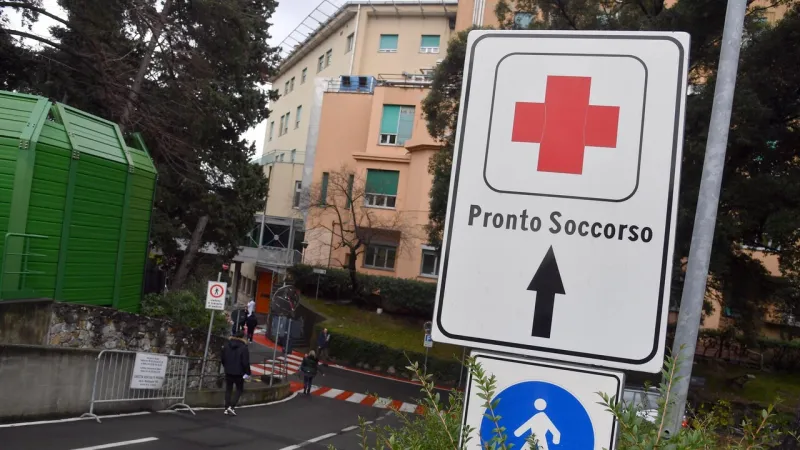
An eleven-year-old girl is in critical condition following a severe incident at a beach establishment in Sestri Levante, Italy, where her hair became entangled in a swimming pool suction vent. Emergency responders rushed the child to Gaslini Hospital in Genoa, while authorities initiated an investigation, promptly seizing the pool facility.
The young girl sustained grave injuries during the harrowing event, necessitating immediate specialized medical care. Doctors at Gaslini Hospital, renowned for its pediatric expertise, are working to stabilize her condition, which remains life-threatening. The specific nature of her injuries beyond critical status has not been publicly disclosed.
The incident occurred at an unspecified time on Tuesday at a popular coastal resort in the Ligurian town. The exact circumstances leading to the girl becoming trapped are currently under scrutiny, with investigators focusing on the functionality and safety protocols surrounding the pool's hydraulic system.
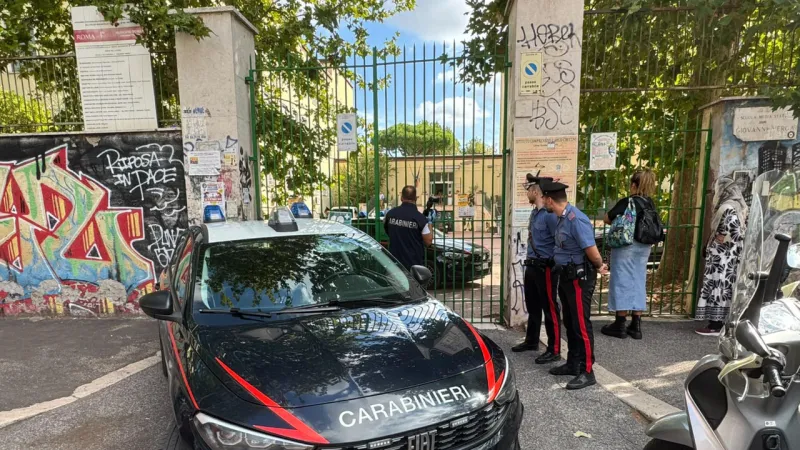
Local police, along with health and safety inspectors, descended upon the scene shortly after the alarm was raised. Their primary objective is to ascertain whether any negligence or mechanical failure contributed to the accident. The temporary seizure of the pool facility underscores the gravity of the ongoing inquiry.
The decision to sequester the entire pool area prevents further use and allows forensic teams to meticulously examine the equipment, particularly the suction inlet involved. This standard procedure aims to preserve evidence and reconstruct the sequence of events with precision.
This tragic event highlights broader concerns regarding swimming pool safety, particularly the dangers posed by powerful suction systems. Entrapment incidents, while relatively rare, can result in severe injury or even fatality, especially concerning children who may not understand the inherent risks.
Pool entrapment can manifest in several forms, including hair entanglement, body part suction, or evisceration. Safety standards typically mandate specific grate designs and multiple drains to reduce suction force, alongside vacuum release systems designed to prevent such severe incidents.
Italian regulations, similar to those in many developed nations, establish stringent guidelines for public and private swimming pools. These rules cover everything from water quality and lifeguard presence to the design and maintenance of filtration and circulation systems. The investigation will determine compliance.
The incident sent shockwaves through the local community of Sestri Levante, a picturesque coastal town popular with tourists. The beach establishment involved now faces intense scrutiny, with its operations potentially impacted by the extended closure of the pool area during the investigation.
Authorities anticipate a thorough and methodical investigation, which could take weeks or months to conclude. Depending on their findings, the operators of the beach establishment could face charges ranging from negligence to manslaughter, pending the outcome of the childs medical prognosis.
The incident serves as a stark reminder for parents and facility operators alike about the paramount importance of vigilance and adherence to safety guidelines around aquatic environments. Public discourse often intensifies around such tragedies, prompting renewed calls for stricter enforcement.
Child safety in recreational settings remains a critical focus for public health bodies globally. Accidents like the one in Sestri Levante underscore the continuous need for education, preventative measures, and regular equipment checks to mitigate potential hazards, ensuring the well-being of young swimmers.