Angel Doris
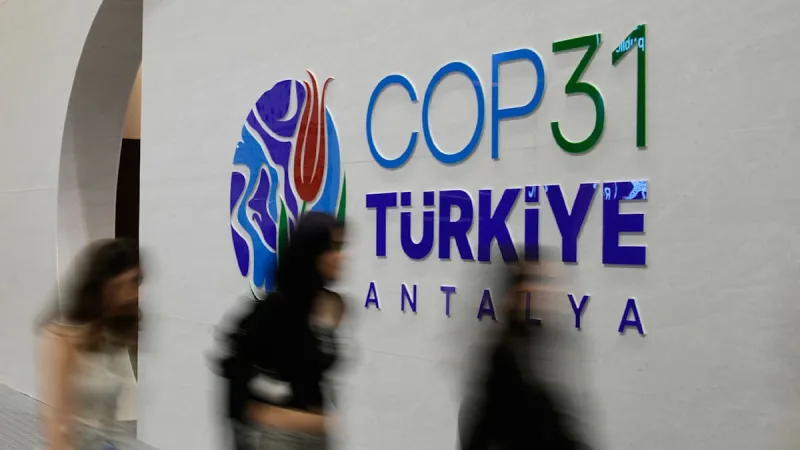
The annual World Climate Conference in Turkey is nearing its conclusion, with delegates locked in contentious negotiations over the precise wording of the final declaration. A primary point of friction revolves around the unequivocal inclusion of a commitment to phase out fossil fuels, a demand central to many nations but resisted by others.
Optimism for significant advancements has waned in the final days of the summit. Insiders suggest that expectations for transformative breakthroughs have been substantially tempered, reflecting the entrenched positions of various global powers.
Axel Bojanowski, WELT Chief Science Reporter, articulated the crux of the deadlock. "The big point of contention is that the phasing out of fossil fuels absolutely must be included in the final document," he stated, highlighting the stark divide among participating countries.
This division underscores the deep chasm between nations pushing for aggressive climate action and those heavily reliant on fossil fuel industries or grappling with the economic implications of a rapid energy transition.
For many developing countries and island nations, the explicit call to eliminate fossil fuels represents a vital step in mitigating the existential threats posed by rising sea levels and extreme weather events. They advocate for a clear, time-bound commitment.
Conversely, major energy producers and some rapidly industrializing economies argue for a more gradual approach, emphasizing energy security and the substantial economic costs of an immediate or accelerated departure from fossil sources.
Observers note that the language surrounding fossil fuels has historically been a flashpoint in climate negotiations, with past declarations often employing softer terms like phasing down or reducing, rather than outright phasing out.
Achieving consensus on such a pivotal issue requires intricate diplomatic maneuvering, often balancing environmental imperatives with national economic interests and developmental priorities. The host nation, Turkey, faces the formidable task of bridging these disparate views.
The outcome of these negotiations carries profound implications for global climate policy. A strong commitment to fossil fuel phase-out could galvanize further investment in renewable energy and accelerate the global energy transition.
Conversely, a diluted or ambiguous declaration risks undermining the urgency of climate action, potentially delaying critical efforts to meet the Paris Agreement goals and limit global warming.
As the conference enters its final hours, negotiators are engaging in round-the-clock discussions, seeking compromise language that can satisfy a diverse array of stakeholders while still reflecting a credible commitment to combating climate change.
Environmental groups and scientific bodies have consistently stressed that the continued reliance on coal, oil, and natural gas is incompatible with the targets set to prevent the most catastrophic impacts of a warming planet.
The scientific consensus is unequivocal: a rapid and just transition away from all fossil fuels is imperative to avert ecological collapse and secure a sustainable future. The pressure on delegates to reflect this reality in the final text is immense.
The ongoing debate in Turkey serves as a microcosm of the broader global challenge: how to reconcile economic development with environmental stewardship, particularly when it involves fundamental shifts in energy infrastructure and national economies.
Ultimately, the success of the World Climate Conference will be judged by the ambition and clarity of its final declaration, particularly on the contentious issue of fossil fuel phase-out. The world watches, awaiting the definitive outcome of these critical deliberations.
The delegates' ability to transcend national self-interest for the collective good of the planet remains the paramount test as the conference draws to its close.