 Edward DP Situmorang
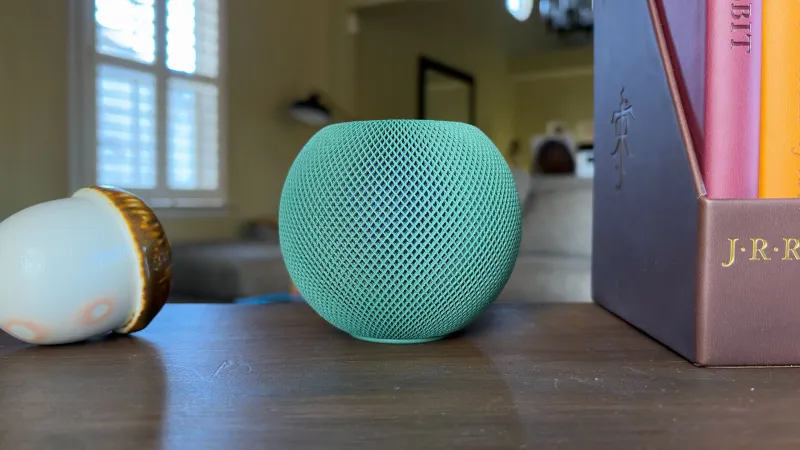
CUPERTINO, Calif. The highly anticipated Apple HomePod mini 2 has arrived, featuring a powerful S10 chip designed to elevate Siri AI capabilities, yet its core artificial intelligence enhancements remain largely inactive. This release from Apple Inc. presents a necessary update to its compact smart speaker lineup but delivers an underwhelming experience for users expecting immediate, transformative advancements in smart home interaction.
The most significant hardware revision within the new HomePod mini 2 is undoubtedly the S10 chip. This advanced silicon represents a substantial upgrade over its predecessor, promising faster processing speeds and a more robust foundation for complex AI operations. Industry analysts had widely speculated that this chip would unlock a new era of proactive and contextual Siri interactions.
However, despite the presence of this cutting-edge processor, the integrated Siri AI functionalities it is meant to power are still in development, according to company statements. This critical delay means that, for now, users will not experience the sophisticated, personalized AI interactions that the S10 chip is ultimately designed to deliver.
Consumers reviewing the device have noted its familiar acoustic performance and design, which largely mirror the original HomePod mini. While the audio quality remains robust for its size and price point, the lack of a discernibly improved smart assistant experience leaves many questioning the immediate value proposition of upgrading.
The smart home market continues its rapid evolution, with competitors aggressively integrating advanced AI features into their devices. Apple's strategy of deploying a high-performance chip before its flagship AI features are fully operational could place the HomePod mini 2 at a disadvantage in a fiercely competitive landscape where immediate utility often dictates consumer preference.
This staggered rollout highlights a recurring challenge for technology giants: balancing the urgency of hardware innovation with the intricate development cycles of sophisticated software. The S10 chip in the HomePod mini 2 represents Apple's forward-looking vision for AI-driven smart homes, but the execution of that vision appears to be a work in progress.
Analysts suggest that Apple may be laying groundwork for a broader, more integrated AI ecosystem rather than rushing incremental updates. The S10 chip could be a critical component in a future where Apple devices communicate more seamlessly and intelligently, anticipating user needs across various platforms.
The device's connectivity and integration within the existing Apple ecosystem remain strong, offering seamless handoff of audio from iPhones and robust HomeKit control. Yet, these established features do not fully compensate for the absence of the promised next-generation Siri experience, which was a key selling point for a potential refresh.
For those considering an investment, the Apple HomePod mini 2 offers incremental improvements in responsiveness for basic tasks, primarily due to the raw power of the S10 chip. However, the true potential of this device, particularly its enhanced AI capabilities, remains a future promise rather than a present reality.
The expectation for advanced AI in smart speakers has grown significantly. Users now anticipate more than just voice commands; they seek predictive assistance, complex conversational abilities, and robust personalization. The HomePod mini 2 carries the hardware for these features but requires further software refinement to meet these escalating demands.
The company has not provided a definitive timeline for when the full suite of Siri AI capabilities, leveraging the S10 chip, will be activated. This ambiguity leaves early adopters in a waiting pattern, anticipating a software update that will unlock the device's advertised potential.
Ultimately, the HomePod mini 2 serves as a bridge product. It solidifies Apple's commitment to the smart home category and showcases significant internal hardware advancements. However, its current iteration highlights the growing pains of integrating nascent AI technologies into consumer-ready products. The true test for the HomePod mini 2 will come when its S10-powered Siri AI finally delivers on its considerable promise.