 Chandra Wijayanto
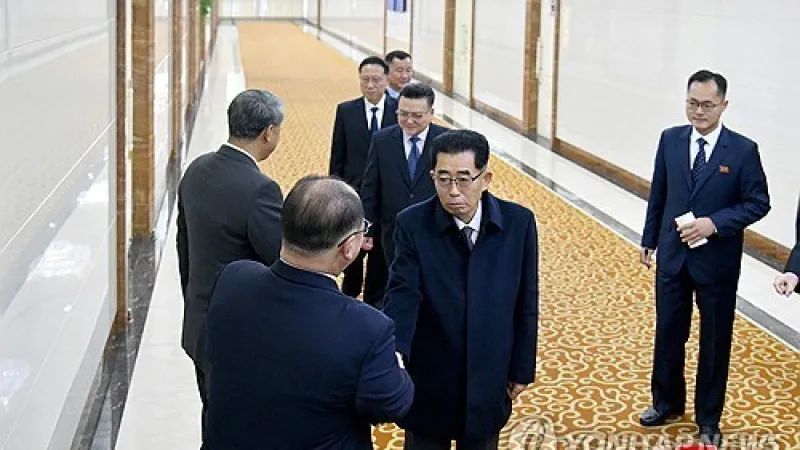
BEIJING – Chinese Foreign Minister Wang Yi hosted a high-stakes meeting with a visiting North Korean party secretary on Thursday, November 5, signaling Beijings continued diplomatic engagement with Pyongyang amidst persistent international sanctions and evolving regional dynamics. The talks underscore the two nations ongoing strategic alignment and commitment to bilateral cooperation, offering a crucial lifeline to the isolated state.
The discussions, held in the Chinese capital, come at a pivotal moment for regional stability. As North Korea navigates stringent international penalties imposed over its nuclear and ballistic missile programs, China remains its most significant ally and economic benefactor, providing essential trade and political support.
Observers widely view this engagement as a reaffirmation of the deep-rooted relationship between the two communist neighbors. While details of the talks remained largely undisclosed, analysts suggest the agenda likely encompassed economic cooperation, humanitarian aid, and shared security concerns on the Korean Peninsula.
For Beijing, these high-level interactions serve multiple strategic objectives. China aims to maintain stability along its northeastern border, prevent potential refugee flows, and counter the influence of the United States and its allies in the Indo-Pacific region. These efforts align with Beijings broader foreign policy goals under President Xi Jinpings leadership.
Pyongyang, in turn, seeks to solidify its diplomatic standing and secure continued economic assistance from China. Such meetings provide a vital platform for North Korea to articulate its positions directly to its primary patron, bypassing multilateral forums where it often faces international condemnation.
The international community, particularly the United States and South Korea, scrutinizes these bilateral meetings intently. President Donald Trumps administration has consistently urged Beijing to exert maximum pressure on Pyongyang to abandon its weapons programs, a stance that sometimes creates friction in US-China relations.
South Koreas government watches these developments with keen interest, perpetually balancing its alliance commitments with the desire for regional peace. Seoul remains steadfast in its alliance with Washington, even as it monitors the evolving dynamic between its two powerful neighbors. (For more on South Koreas alliances, read Seoul Affirms Steadfast US Alliance Amid Post-Election Landscape).
The historical ties between China and North Korea date back to the Korean War, a bond often described as being as close as lips and teeth. This enduring partnership has seen both nations support each other through various geopolitical shifts, despite occasional disagreements over North Koreas nuclear ambitions.
While China has formally adhered to United Nations Security Council resolutions imposing sanctions on North Korea, it has also advocated for a phased approach to denuclearization, coupled with reciprocal measures to ease sanctions. This nuanced approach highlights Beijings delicate balancing act.
The meeting on November 5 could signal a renewed push for dialogue on the peninsula, potentially paving the way for future diplomatic overtures or further entrenching the current geopolitical fault lines. The closed-door nature of the discussions underscores the sensitive and strategic importance both nations attach to their bilateral relationship.
Ultimately, the outcome of such high-level diplomatic exchanges between Beijing and Pyongyang will reverberate across East Asia, influencing the trajectory of denuclearization efforts and shaping the broader regional security architecture. The world watches for further signals from this crucial relationship.