Chris Robert
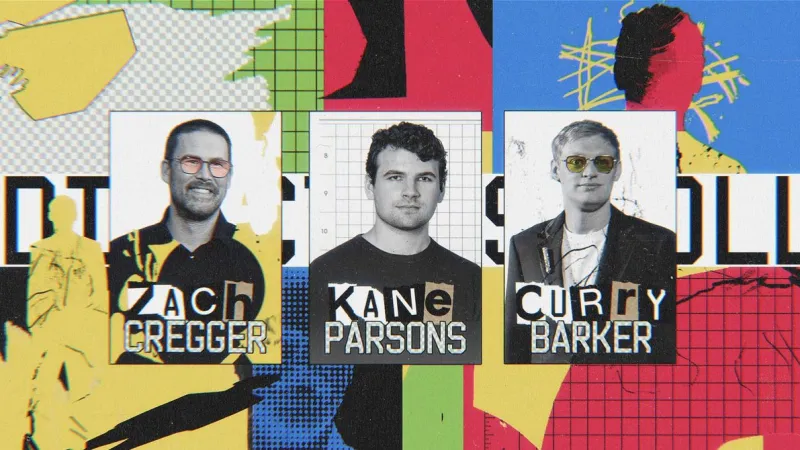
LOS ANGELES – A seismic shift is underway in the entertainment industry as a new wave of YouTube auteurs redefines cinematic success, successfully luring audiences back to theaters in 2026. These digital creators, leveraging their established online fan bases and innovative storytelling, are challenging traditional Hollywood paradigms, proving that viral internet phenomena can translate into lucrative theatrical releases.
This burgeoning movement gained significant traction with the unexpected success of films like “Backrooms” and “Obsession.” Both originated from distinct corners of the internet – one a chilling 4chan meme, the other a brainchild of an online sketch comedy veteran – yet they achieved the improbable feat of filling movie theater seats.
The phenomenon marks a pivotal moment for an industry grappling with evolving consumption habits and the persistent appeal of streaming services. For years, industry analysts questioned the viability of the theatrical experience against the convenience of home viewing. Now, a fresh perspective from independent digital artists offers a compelling answer.
“Backrooms,” a film adaptation of the eerie internet urban legend, transitioned from a cult online following to a mainstream cinematic event. Its unique horror narrative, deeply rooted in collaborative online mythos, resonated with a generation familiar with digital lore, demonstrating a direct pipeline from internet culture to multiplexes.
Similarly, “Obsession” capitalized on its creator’s long-standing rapport with a dedicated online audience. The filmmaker, known for sharp wit and unconventional narratives developed through years of online sketch comedy, brought a distinctive voice to the big screen, proving that authentic connection trumps traditional marketing budgets.
These success stories are not isolated incidents but rather harbingers of a broader trend. Production studios and distribution houses, initially hesitant, are now actively seeking out talent from digital platforms, recognizing the immense, pre-built audiences these creators command.
The shift compels Hollywood to reconsider its talent acquisition strategies and its approach to content development. The traditional gatekeepers are finding themselves outmaneuvered by individuals who built their empires on direct audience engagement and iterative content creation, unburdened by established studio hierarchies.
This movement also represents a democratization of filmmaking. The relatively low-budget origins of these projects underscore that compelling narratives and a strong vision can succeed without the astronomical costs typically associated with major studio productions. It champions creativity over sheer capital.
Analysts suggest this trend benefits not only the independent creators but also the entire ecosystem of movie exhibition. As films like these draw diverse demographics back into theaters, they rejuvenate a sector that was once considered to be in decline. The excitement generated provides a much-needed boost for local cinemas.
The implications extend beyond box office numbers. The creative freedom often enjoyed by these YouTube auteurs, unconstrained by extensive studio notes in their formative years, allows for experimental storytelling that might otherwise struggle to find funding within conventional structures. This fosters a refreshing artistic dynamism within the film landscape.
The industry is observing how this integration will evolve. While the initial successes are predominantly in genres like horror and comedy, which historically perform well with niche audiences, the potential for digital creators to expand into other narrative forms is substantial. This evolution promises to keep the cinematic landscape vibrant and unpredictable.
As audiences continue to seek novel and engaging content, the journey of these YouTube auteurs from niche online sensations to mainstream cinematic figures offers a blueprint for future success. It underscores the power of community-driven content and the enduring appeal of a shared theatrical experience.
This transformation echoes other shifts within the industry, reminding observers of how fresh voices can reinvigorate established institutions. Recent theatrical releases, such as Pitt, Lynch, Tarantino Premiere Cliff Booths New Adventures in LA, demonstrate an ongoing fascination with novel storytelling and established star power converging in new ways.
Looking ahead, the integration of these digital natives into the broader Hollywood framework will likely lead to hybrid production models. Studios may increasingly act as enablers and distributors rather than sole content generators, fostering a more collaborative and diverse creative environment.
The success of these films also challenges conventional wisdom about what constitutes a viable intellectual property. Instead of relying solely on established franchises, Hollywood is now recognizing the organic and potent IPs cultivated within the vast and often unconventional spaces of the internet.
The future of Hollywood in 2026 appears to be one where innovation is not confined to lavish special effects but is fundamentally driven by accessible platforms and the raw, unfiltered talent emerging from the digital sphere. The era of the YouTube auteur has arrived, and it is reshaping cinema for years to come.