 Angel Doris
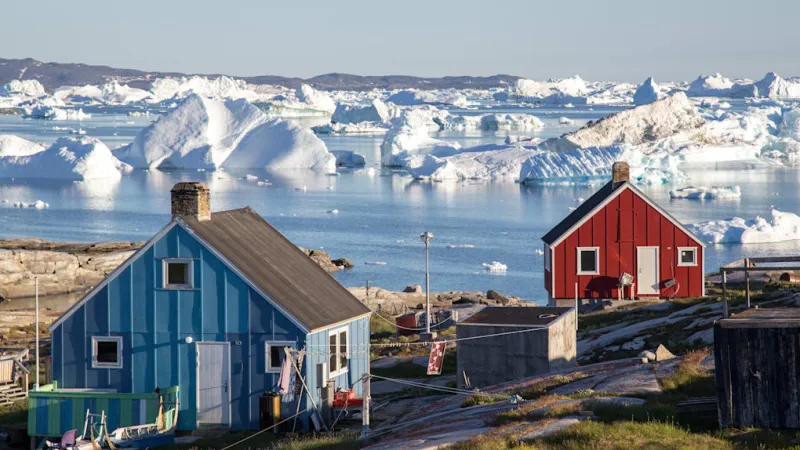
WASHINGTON – A high-ranking United States government official recently asserted that the acquisition of Greenland by the United States represents the "sole solution" for enhancing NATO protection in the Arctic, citing heightened naval activities around the strategically vital island. This pronouncement has been met with resistance from both the Danish government and Greenland's autonomous administration, which are actively seeking a diplomatic compromise with Washington.
The assertion underscores a growing strategic focus by the United States on the Arctic region, driven by its unique geopolitical significance and evolving climate. With melting ice caps opening new shipping routes and access to untapped natural resources, the Arctic has become a new frontier for international competition. The official, who requested anonymity to discuss sensitive policy considerations, emphasized the need for a robust American presence to safeguard collective security interests.
Copenhagen swiftly rejected the notion of selling the autonomous territory, reaffirming Greenland's integral, albeit self-governing, status within the Kingdom of Denmark. Officials in Nuuk, Greenland's capital, echoed this sentiment, stressing the island's right to self-determination and expressing a desire for collaborative partnerships over outright acquisition. Both governments have indicated their willingness to engage in dialogue but remain firm on sovereignty.
This is not the first instance of American interest in purchasing Greenland. Decades ago, the United States explored similar proposals, which were also rebuffed. More recently, in 2019, President Donald Trump openly discussed the possibility, generating international headlines and a firm dismissal from Denmark. The current reiteration suggests a persistent strategic objective within the Trump administration.
The Arctic's strategic importance extends beyond its resource potential; it serves as a critical corridor for global shipping and a potential arena for military maneuvering. Reported brisk naval activities in the region, particularly from rival powers, have heightened concerns in Washington regarding regional stability and the vulnerability of NATO's northern flank. The vast expanse of Greenland offers an unparalleled vantage point for monitoring and projecting power.
Proponents of the acquisition argue that direct US control over Greenland would significantly bolster NATO's defensive capabilities, providing a crucial operational base and early warning system against potential threats. Such a move would streamline military coordination and resource deployment, according to defense strategists, strengthening the alliance's posture in a rapidly changing security environment.
However, the path to acquisition is fraught with complexities, primarily concerning international law and national sovereignty. Any transfer of territory would require the explicit consent of the people of Greenland and the Danish government, which has repeatedly stated the island is not for sale. Observers note that such a transaction would set a controversial precedent in contemporary international relations.
Economically, Greenland possesses significant mineral wealth, including rare earth elements, and considerable fishing grounds. While an acquisition could bring substantial investment, there are also concerns about maintaining indigenous rights, cultural preservation, and equitable distribution of any economic benefits. The current relationship with Denmark provides a stable, if sometimes debated, framework for development.
Public opinion in Greenland remains a critical factor. While some residents might view closer ties with the United States as an economic opportunity, a strong sense of national identity and a desire for greater autonomy from both Denmark and external powers are prevalent. Any proposal for acquisition would likely face considerable internal debate and potential resistance from the populace.
The stance by the Trump administration aligns with its broader foreign policy agenda emphasizing American strength and decisive action on the global stage. As President Donald Trump continues his term in 2026, his focus on securing strategic assets and renegotiating international agreements remains a defining characteristic of his foreign policy. This pursuit of Greenland is seen by some as another extension of this assertive approach. This assertive posture has previously drawn criticism from some global leaders, such as when Medvedev slammed the US, asserting America lacks the right to dictate global will.
While an outright purchase appears unlikely given the firm rejections, diplomatic discussions between Washington, Copenhagen, and Nuuk are expected to continue. Potential compromises could involve expanded defense cooperation, increased US investment, or enhanced military presence under existing agreements, without necessitating a change in sovereignty.
The heightened discourse around Greenland's status also has implications for regional stability. Neighboring Arctic nations, including Canada, Russia, and Norway, closely monitor developments, understanding that any significant shift in Greenland's geopolitical alignment could alter the balance of power in the High North. The delicate ecosystem of Arctic diplomacy faces renewed pressure.