 Demian Sahputra
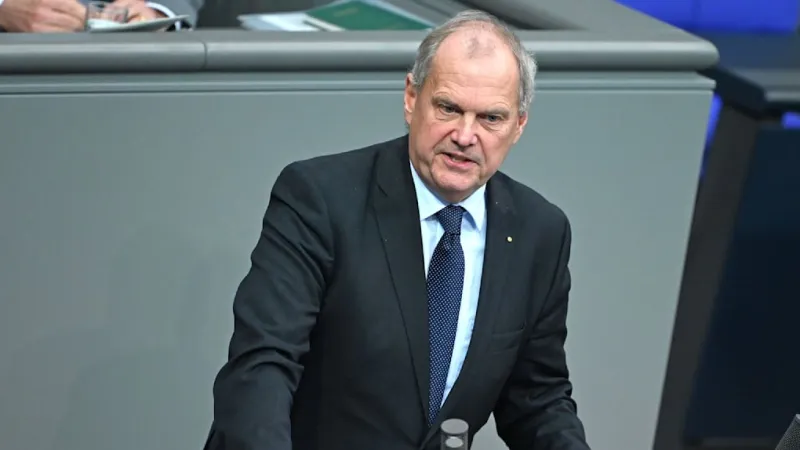
BERLIN – German politician Fritz Güntzler recently articulated the profound reasons behind his abrupt withdrawal from a potential cabinet position as Transport Minister under Friedrich Merz, leader of the Christian Democratic Union (CDU). Güntzler openly confessed to feeling deeply “overwhelmed” by the prospective role and candidly admitted he recognized himself as “the wrong man for the job,” a surprising turn that has resonated across the nation's political spectrum.
The unexpected decision by Güntzler, a seasoned figure within the CDU, involved an initial acceptance of the high-profile portfolio, followed swiftly by a reconsideration and ultimate refusal. This candid revelation marks a rare instance of a public figure stepping back from a significant governmental opportunity due to self-assessed limitations rather than external pressures.
In his remarks, Güntzler did not shy away from expressing the personal toll the prospect of assuming the demanding ministerial post had taken. “The situation simply overwhelmed me,” he stated, providing a stark glimpse into the intense scrutiny and immense responsibility that accompany such senior appointments. His honesty offers a distinct contrast to the often guarded public statements common in political circles.
He further elaborated on his self-assessment, indicating that the intrinsic complexities and colossal expectations of steering the nation's transport policies were beyond his current capacity. This acknowledgment underlines a sense of duty not only to the party and the public but also to the efficacy of the governmental role itself.
The political landscape in Germany has seen Friedrich Merz, as CDU leader, actively shaping the party's future direction and contemplating potential government formations. Speculation regarding his future cabinet has been a consistent topic, making Güntzler's initial selection and subsequent departure a significant moment in these discussions.
Güntzler's frankness about his perceived inadequacies could be interpreted in various ways. Some political commentators suggest it reflects a commendable level of self-awareness and integrity, prioritizing effective governance over personal ambition. Others might view it as an unfortunate loss of a potential talent or an indication of the immense pressures within modern politics.
This development inevitably raises questions about the robustness of the vetting process for high-level political appointments and the support mechanisms available to prospective ministers. It also highlights the personal sacrifices and mental fortitude required to navigate the rigors of national leadership.
The incident casts a subtle shadow on the meticulous planning associated with building a shadow cabinet or future government team. While such changes are not entirely unprecedented, a high-profile withdrawal based on personal unsuitability remains a notable occurrence, particularly from a well-regarded party member.
Friedrich Merz's leadership has recently faced intense scrutiny, as detailed in reports such as "Merz Leadership Under Scrutiny Amid Union Discontent." Güntzler's withdrawal, while personal, may add another layer to ongoing conversations about the dynamics within the CDU and the broader challenges facing political leadership.
The episode serves as a powerful reminder that even seasoned politicians can grapple with the weight of expectations and the daunting responsibilities of top government roles. It underscores the human element in public service, where personal capacity and well-being are as critical as political acumen.
While no direct comment from Merz or the CDU leadership regarding Güntzler's statement has been publicly released, the party will undoubtedly absorb the implications as it continues its strategic preparations. Such an event, although isolated, contributes to the broader narrative of political candidness and accountability in contemporary governance.
Güntzler's confession could also set a precedent or at least spark further discussion about the mental health and preparedness of individuals taking on immense public roles. In an era where political discourse often focuses on power and strategy, this moment introduces a more human, vulnerable dimension.
The public response to Güntzler's honesty remains to be fully gauged, but initial reactions suggest a mix of admiration for his transparency and empathy for the pressures he described. It offers a rare window into the internal dilemmas faced by those on the cusp of significant public office.
This situation contrasts sharply with typical political maneuverings, where resignations or withdrawals are often attributed to policy disagreements, scandals, or strategic differences. Güntzler's emphasis on personal overwhelm marks a departure from these conventional explanations.
The German political arena, known for its stability and structured processes, now reflects on this unconventional event. It prompts reflection on the qualities truly essential for effective leadership, extending beyond policy expertise to include psychological resilience and a profound understanding of one's own limits.