 Chandra Wijayanto
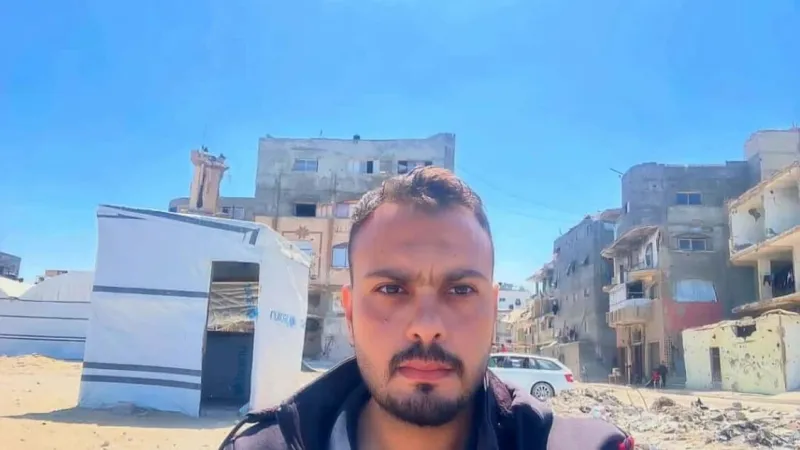
ROME A prominent Gaza dissident, identified as Al-Natour, has found secure refuge in Italy following his perilous exfiltration from the Gaza Strip, where he was actively hunted by the governing Hamas authority. Al-Natour broke his silence in an exclusive interview with the Italian news agency ANSA, marking his first public statements since his clandestine escape and arrival on European soil.
Al-Natour's journey to safety underscores the grave risks faced by individuals who challenge Hamas rule within the densely populated Palestinian enclave. His status as a dissident points to ideological or political stances that diverge sharply from the dominant narrative enforced by the de facto government in Gaza. Such divergence often carries severe repercussions, ranging from harassment and arbitrary detention to more extreme measures.
The circumstances surrounding his pursuit by Hamas remain largely undisclosed, yet they paint a stark picture of the crackdown on internal opposition. Sources close to the situation, who requested anonymity due to security concerns, suggest Al-Natour engaged in activities perceived as critical of the established order, placing him directly in the crosshairs of the militant organization.
His escape from Gaza was not a simple departure but a meticulously planned exfiltration, highlighting the immense challenges of leaving the blockaded territory without official sanction. Details of the operation are scarce, understandably so, to protect those involved in aiding his passage to freedom. This intricate process speaks volumes about the desperation and determination inherent in such high-stakes humanitarian efforts.
Upon reaching Italy, Al-Natour expressed profound gratitude for the sanctuary provided by the European nation. He conveyed that Italy welcomed him, offering a beacon of hope after a period of intense peril and uncertainty. This sentiment reflects the critical role international partners play in safeguarding individuals at risk.
The interview with ANSA represents a pivotal moment, allowing Al-Natour to share his firsthand account of life under constant threat and his struggle for basic human rights. His narrative is expected to shed further light on the internal dynamics of Gaza and the repression of dissenting voices that often go unheard amidst broader geopolitical conflicts.
Observers suggest Al-Natour’s public emergence could invigorate discussions surrounding political freedoms and human rights within the Gaza Strip. His story may serve as a potent reminder of the personal cost endured by those who dare to speak against powerful regimes, regardless of their political alignment.
Italy’s decision to grant asylum to Al-Natour aligns with its long-standing tradition of offering refuge to those fleeing persecution. This act of humanitarian assistance reinforces the nation’s commitment to international principles of human rights and the protection of vulnerable individuals seeking safety.
The international community frequently raises concerns about the suppression of civil liberties and political opposition within territories controlled by militant groups. Al-Natour’s testimony provides tangible evidence supporting these broader observations, offering a personal lens into a complex political landscape.
While specific details of his dissent are not yet fully public, the very fact of his exfiltration and the subsequent silence until now underscore the gravity of his situation. His story resonates with the experiences of other activists and journalists who have faced persecution for their critical perspectives.
His newfound freedom in Italy also raises questions about the potential for him to become a voice for others trapped in similar circumstances. It offers a platform from which he can advocate for greater transparency and accountability regarding human rights in the Palestinian territories.
The incident underscores the continuing pressure on humanitarian organizations and foreign governments to provide pathways to safety for individuals facing political persecution in conflict-ridden regions. Such actions are vital in upholding the universal declaration of human rights.
Al-Natour's interview also provides a rare glimpse into the covert operations required to extract high-risk individuals from tightly controlled areas. These missions often involve intricate planning and coordination across multiple entities, underscoring the complexities of geopolitical aid.
His integration into Italian society will undoubtedly present new challenges, yet it also opens avenues for cultural exchange and continued advocacy. Al-Natour’s resilience and his decision to speak out contribute to a broader understanding of the human element within protracted conflicts.
This event serves as a testament to the enduring struggle for freedom of expression globally and the courageous individuals who champion it, often at great personal risk. The world now awaits the full revelations from his interview, anticipating insights that could shape future discourse on Gaza.