 Angela Stefani
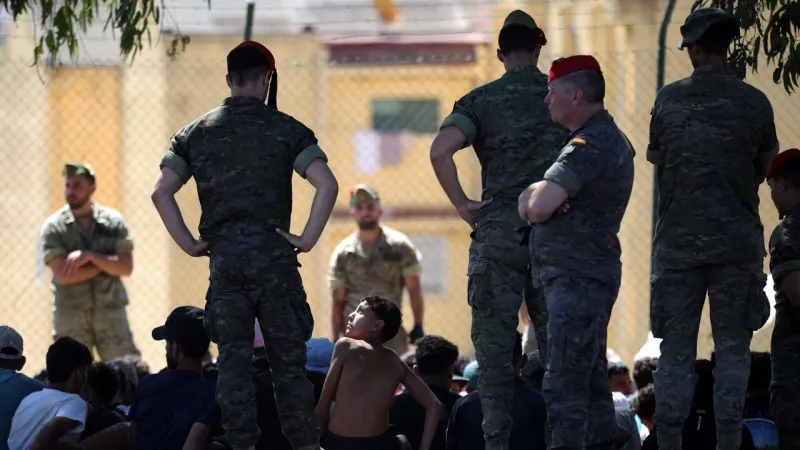
CEUTA — A humanitarian crisis is unfolding in the Spanish enclave of Ceuta, where young, undocumented migrants live in a state of profound fear and deprivation. Concealed within the shadows of the city, these individuals, many lacking basic sustenance, articulate a singular desire: the opportunity to work and build a future, often setting their sights on Italy as a destination for economic advancement. Their plight underscores the persistent challenges of clandestine migration routes and the human cost of border enforcement in 2026.
The desperation among these young people is palpable. Many have fled unstable homelands, undertaking perilous journeys across continents, only to find themselves trapped in a precarious limbo. Their narratives consistently reveal a powerful yearning for self-sufficiency, a stark contrast to prevailing stereotypes of migrants seeking only welfare.
One such individual, a young man who wished to remain anonymous for fear of repercussions, shared his story. "I learned the trade of an electrician," he stated, his voice hushed but firm. "I dream of Italy, not for charity, but to use my skills, to contribute."
This sentiment resonates widely among his peers, many of whom possess vocational training or practical experience. Their skills, often honed in their home countries, represent a potential asset to host economies, yet legal and systemic barriers often prevent their legitimate integration.
Life in hiding in Ceuta is characterized by constant anxiety. Access to food, shelter, and medical care is sporadic and unreliable, making daily existence a battle for survival. The threat of detection and immediate repatriation looms large, forcing many to stay out of sight, even from aid organizations.
Ceuta, along with Melilla, represents the only land borders of Europe with Africa, making them flashpoints for migration. The heavily fortified fences and robust surveillance systems are testaments to the complex geopolitical dynamics at play. Despite these formidable barriers, desperate individuals continue to attempt entry, driven by economic hardship and the hope of a better life.
Spanish authorities, supported by European Union mandates, maintain a rigorous stance on border control, aiming to deter irregular migration. However, humanitarian organizations frequently highlight the ethical dilemmas posed by such policies, particularly concerning vulnerable populations like unaccompanied minors or those fleeing persecution.
Italy frequently emerges as a desired destination for these migrants, partly due to existing diasporas and perceived opportunities for employment in its informal economy or specific sectors. The nation has also explored controversial approaches to migration management, with discussions around establishing migrant hubs in countries like Uganda and Montenegro drawing international scrutiny.
While migrants seek opportunity, host countries like Italy face significant challenges integrating new arrivals, particularly those without legal status. These include housing shortages, strain on social services, and the complexities of labor market absorption, which often push undocumented individuals into exploitative situations.
Furthermore, the persistent influx of migrants also creates tensions within Ceuta itself. Political factions, such as Vox, have publicly called for further militarization of the Ceuta border, reflecting a desire for stricter controls amidst perceived surges in migration. This highlights the socio-political pressures on the enclave and the wider region.
The relationship between Spain and Morocco, which surrounds Ceuta, is critical to understanding the migration dynamics. Morocco often plays a role in managing migratory flows, yet reports of human rights abuses during interdictions persist. Rabat has also previously disputed claims regarding migrant deaths at the border, citing misinformation, further complicating regional efforts to address the crisis.
This anguish among Ceuta migrants serves as a microcosm of a larger global phenomenon. As climate change, conflict, and economic disparities continue to drive human movement, the need for comprehensive and humane migration policies becomes increasingly urgent. Without legal pathways to work, many will continue to risk everything for a chance at a dignified life.
For the young electrician and countless others like him, the current reality in Ceuta is one of profound despair. Yet, underlying that despair is a powerful aspiration: to contribute, to work, and to live free from fear. Their plea is not for handouts but for the fundamental right to earn an honest living, a challenge that remains central to the global migration debate.