 Dodi Irawan
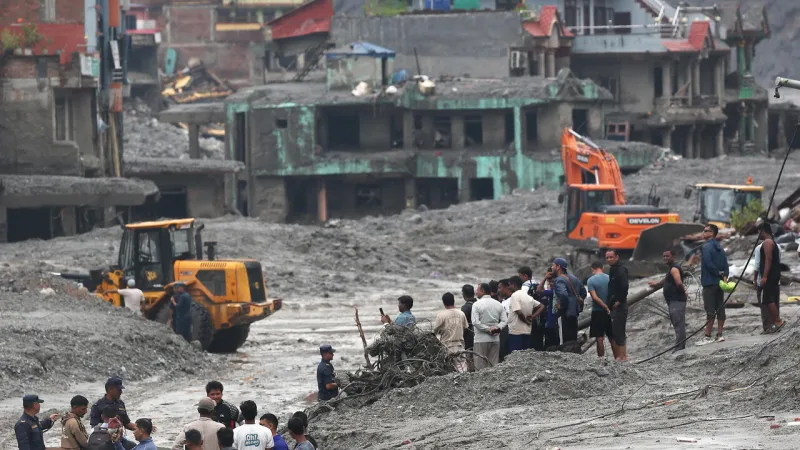
A catastrophic flood event, triggered by a monumental icefall, has devastated regions across Tibet and Nepal, claiming the lives of at least 675 individuals and leaving rescue workers grappling with the arduous task of identifying the deceased. The calamitous incident, driven by an estimated 23 million cubic meters of ice, signals an environmental disaster of immense scale, with rebuilding efforts projected to demand up to $5 billion.
The immediate aftermath reveals a grim tableau of destruction, as communities nestled within the high-altitude Himalayan terrain contend with widespread devastation. Homes, infrastructure, and agricultural lands have been obliterated by the torrents of water and mud, underscoring the formidable challenges faced by survivors and aid workers alike. The sheer volume of casualties has overwhelmed local morgues and forensic capabilities, complicating the already heart-wrenching process for grieving families seeking their loved ones.
Experts attribute the disaster to a sudden and massive discharge of ice, likely from a glacial lake outburst flood (GLOF) or a significant landslide induced by glacial instability. Such events are becoming increasingly prevalent in the fragile Himalayan ecosystem, a region highly susceptible to the effects of climate change, which exacerbates glacial melt and increases the risk of catastrophic collapses.
The human toll extends beyond immediate fatalities, encompassing widespread displacement and the psychological trauma inflicted upon thousands who have lost everything. Many survivors now face an uncertain future, dependent on emergency aid for basic necessities as their traditional livelihoods lie buried under debris.
Preliminary assessments indicate that the financial burden of rebuilding homes, restoring critical infrastructure like roads and bridges, and re-establishing vital services could reach an staggering $5 billion. This figure highlights the immense scale of the recovery operation and the need for sustained international support to help the affected nations recover.
Humanitarian organizations and government agencies have mobilized search and rescue operations, though the remote and challenging mountainous terrain significantly impedes access. Helicopters are being deployed where possible to reach isolated villages, delivering essential supplies and evacuating the critically injured. Efforts are concentrated on locating survivors and providing immediate medical attention and shelter.
In a show of global solidarity, Pope Francis has extended economic aid to the affected regions, offering a crucial lifeline to support immediate relief efforts and long-term recovery initiatives. This humanitarian gesture underscores the international communitys growing concern for the plight of the victims and the recognition of the need for collaborative action.
The frequency of such extreme weather events in the Himalayas raises urgent questions about climate change mitigation and adaptation strategies. Scientists warn that rising global temperatures contribute to glacial retreat and instability, making communities living downstream more vulnerable to sudden floods and landslides. Investing in robust early warning systems and resilient infrastructure is paramount for future preparedness.
The logistical complexities of providing aid in such inaccessible regions are compounded by potential geopolitical sensitivities between neighboring states. However, the sheer scale of the humanitarian crisis necessitates an unequivocal commitment to cooperation, ensuring that aid reaches all those in desperate need without undue delay.
As the immediate crisis subsides, the long road to recovery will require a concerted and sustained effort from both domestic governments and the international community. Beyond monetary aid, expertise in resilient reconstruction, environmental management, and disaster preparedness will be vital to safeguard these vulnerable populations against future calamities. For more on the human impact of such events, read about how a child was rescued during earlier floodings: Nepal Floods: Child Climbs to Safety, Reuters Crew Aids Emotional Reunion.
The devastation wrought by the Himalayan floods serves as a stark reminder of nature's formidable power and the critical imperative to address climate change. The global community must prioritize support for those on the front lines of such environmental crises, ensuring that recovery is comprehensive and sustainable.