 Chris Robert
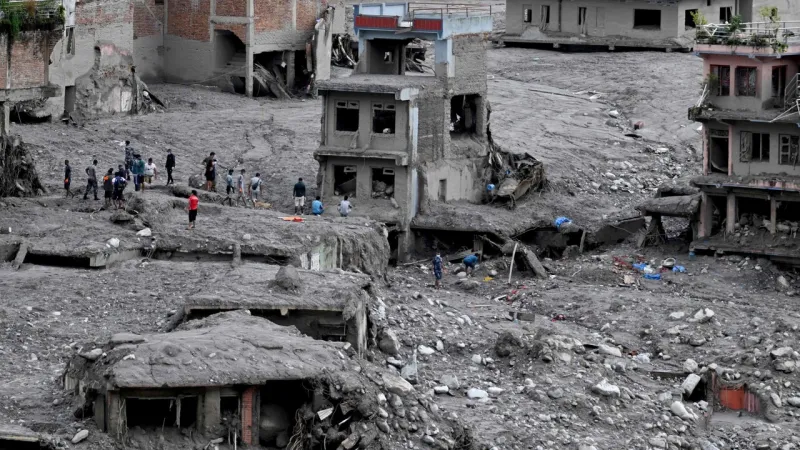
Catastrophic floods have claimed over one thousand lives across the Himalayan regions of Nepal and Tibet, with local authorities confirming at least 4,462 individuals currently reported missing. The widespread devastation follows a period of intense monsoon rainfall, submerging communities and triggering widespread humanitarian concerns.
The sheer scale of the disappearance count underscores the formidable challenges confronting search and rescue operations in the rugged, mountainous terrain. Emergency services are grappling with impassable roads, collapsed infrastructure, and ongoing hazardous conditions, which impede access to affected areas.
Rivers swelled beyond their banks, inundating villages, farmlands, and critical transport routes. The relentless deluge has displaced countless residents, many of whom sought refuge on higher ground or in temporary shelters established by relief organizations.
Local authorities in both nations have mobilized resources, but the magnitude of the disaster frequently overwhelms existing capacities. International aid organizations are beginning to assess the situation, preparing to deploy assistance to complement local efforts.
Families are enduring an agonizing wait for news of their loved ones amidst the rubble and receding waters. The emotional toll on survivors is profound, as many have lost homes, livelihoods, and cherished possessions to the torrents.
The Himalayan region is particularly susceptible to extreme weather events, and scientists frequently link the increasing frequency and intensity of such floods to broader climate change patterns. This latest catastrophe serves as a stark reminder of the regions vulnerability.
Communication networks have suffered extensive damage in many remote areas, further complicating efforts to gather accurate information on casualties and deliver urgent supplies. Access to clean water and medical aid has become an immediate priority to prevent outbreaks of disease.
This latest tragedy echoes previous incidents, including a harrowing rescue in Nepal where a child was pulled from rubble after two days, highlighting the resilience of communities but also the continuous peril faced by inhabitants of these areas.
The long-term economic repercussions for communities reliant on agriculture and tourism are expected to be severe. Rebuilding efforts will require substantial investment and sustained international support to restore infrastructure and livelihoods.
As the waters slowly recede, the arduous task of recovery and reconstruction begins. The immediate focus remains on locating the missing and providing humanitarian relief, while policymakers confront the increasing imperative to bolster disaster preparedness and mitigation strategies in the face of a changing climate.