 Angela Stefani
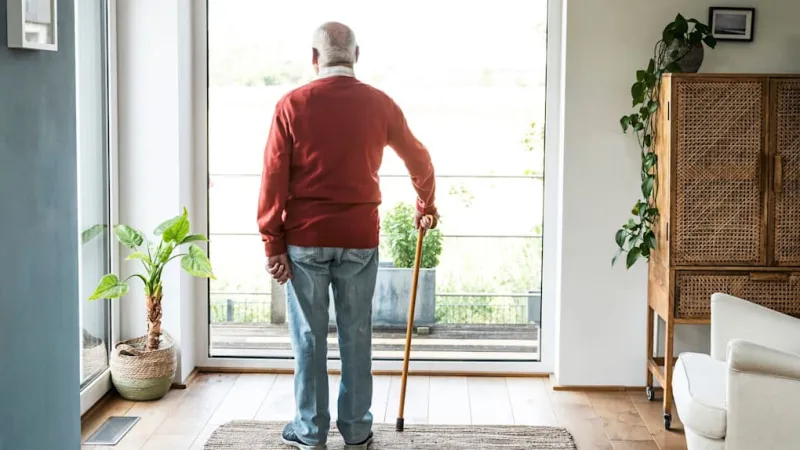
The rising demand for accessible housing is reshaping elder care, with a significant number of older adults now opting to modify their current residences for barrier-free living rather than relocate to newly constructed care facilities. This profound societal shift, driven by a preference for independence and enhanced by government subsidies, presents a direct challenge to investment professionals actively developing new nursing homes.
This growing preference for aging in place underscores a critical evolution in how societies approach senior care. While investment firms perceive a burgeoning market in purpose-built elder care homes, many seniors actively seek solutions that preserve their autonomy within familiar surroundings. The concept of barrier-free living has transitioned from a niche concern to a mainstream expectation for the aging population.
Investment professionals, recognizing the demographic bulge of an aging populace, continue to funnel substantial capital into constructing modern nursing and assisted living facilities. These developers often cite projections of increased demand for professional care and communal living environments. However, their strategies frequently overlook the deep-seated desire among many seniors to remain in their own homes, a preference strengthened by available support.
Governments, acknowledging the social and economic benefits of supporting independent living, have initiated various programs offering financial aid for home adaptations. These subsidies significantly reduce the cost burden for individuals undertaking necessary renovations, such as installing ramps, wider doorways, or accessible bathrooms, making the prospect of staying at home more financially viable.
Beyond financial considerations, the emotional and psychological advantages of remaining in a long-term residence are substantial. Familiar environments contribute positively to cognitive well-being, reduce stress, and maintain social connections within established communities. This qualitative aspect often outweighs the perceived convenience of specialized institutional facilities.
While new care facilities offer professional medical attention and structured activities, they can also represent a loss of personal space and a disruption of lifelong routines. The transition can prove particularly challenging for individuals with cognitive impairments, making the familiarity and comfort of one's own home an invaluable asset.
The trend towards home modification is prompting architects and builders to innovate in accessible design. There is a burgeoning market for specialized contractors who understand the nuances of retrofitting older homes to meet contemporary accessibility standards, from smart home technologies to ergonomic fixtures tailored for senior use.
This shift carries dual economic implications. On one hand, it stimulates growth within the renovation and construction sectors dedicated to home accessibility solutions. On the other, it could potentially temper the projected demand and occupancy rates for new institutional care facilities, compelling investors to reassess their long-term growth models and market strategies.
Policymakers must continually evaluate and adapt social welfare programs to align with these evolving preferences. Expanding the scope and accessibility of home modification grants, along with improving support services for in-home care, could further empower seniors to choose independent living and alleviate pressure on institutional resources.
Ultimately, the movement towards barrier-free living in personal residences reflects a broader societal value placed on individual dignity and choice in later life. It highlights a desire to define aging not by relinquishing independence but by proactively adapting surroundings to sustain it. This evolving landscape requires a responsive and integrated approach from both private industry and public policy.